Life's Early Breath: How Ancient Microbes May Have Consumed Oxygen Long Before the Great Oxidation Event
A groundbreaking MIT study published in 2026 suggests life on Earth may have evolved the ability to use oxygen hundreds of millions of years before it permanently filled the atmosphere. By tracing the evolutionary origins of a key oxygen-processing enzyme, researchers propose that early microbes living near oxygen-producing cyanobacteria quickly consumed the gas as it formed, potentially delaying the Great Oxidation Event. This discovery challenges traditional timelines of aerobic respiration and reveals life's remarkable adaptability during Earth's most transformative periods.
The story of oxygen on Earth has long been framed as a dramatic, singular event: the Great Oxidation Event (GOE) around 2.3 billion years ago, when oxygen first became a permanent fixture in our atmosphere, paving the way for complex life. However, new research from MIT is rewriting this narrative, suggesting that life may have been breathing oxygen long before the skies turned blue. This discovery not only fills a crucial gap in Earth's history but also highlights the incredible ingenuity of early microbial life.
The Oxygen Paradox: Production vs. Accumulation
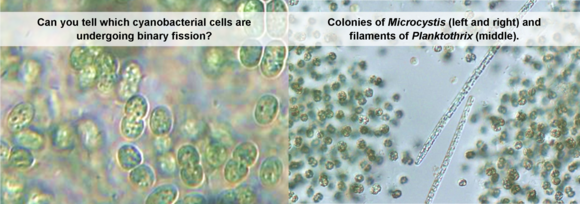
For decades, scientists have grappled with a fundamental mystery in Earth's history. Geological evidence indicates that cyanobacteria—microbes capable of photosynthesis—evolved around 2.9 billion years ago. These organisms began releasing oxygen as a byproduct of converting sunlight and water into energy. Yet, atmospheric oxygen levels remained negligible for approximately 600 million years until the GOE. This enormous time gap has puzzled researchers: if oxygen was being produced for so long, where did it all go?
Traditional explanations have focused on abiotic processes, suggesting that chemical reactions with iron-rich rocks and volcanic gases effectively scrubbed oxygen from the early environment. The MIT study, published in Palaeogeography, Palaeoclimatology, Palaeoecology, introduces a compelling biological actor to this equation. The research team, led by postdoctoral researcher Fatima Husain and associate professor Gregory Fournier, investigated whether living organisms themselves might have been consuming this early oxygen, thereby slowing its atmospheric buildup.
Tracing the Molecular Clock of Respiration
To test their hypothesis, the scientists focused on a specific biological tool: the heme copper oxygen reductase enzyme. This enzyme is the core machinery of aerobic respiration, responsible for converting oxygen into water within cells. It is ubiquitous in oxygen-breathing life today, from bacteria to humans. By determining when this enzyme first evolved, the researchers could infer when organisms first gained the capability to use oxygen.
The methodological approach was computationally intensive and innovative. The team identified the enzyme's genetic sequence and then sifted through massive genomic databases containing millions of modern species. "The hardest part of this work was that we had too much data," noted Fournier, as the enzyme is present in most modern organisms. They refined this vast dataset down to several thousand representative species that captured the diversity of life.
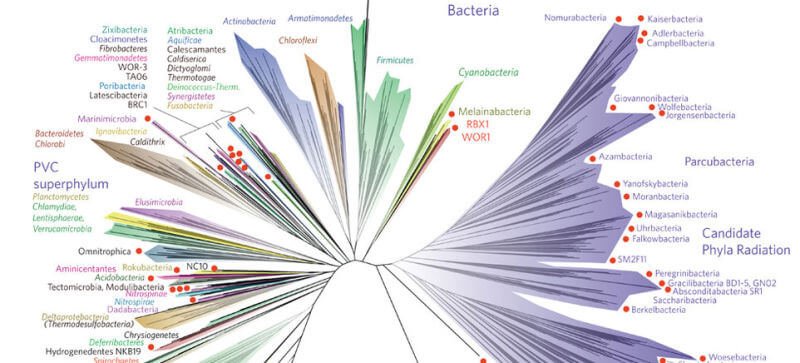
Next, they placed these enzyme sequences onto an evolutionary tree of life. Using known fossil evidence as chronological anchors for specific branches, they applied molecular clock techniques to estimate when different versions of the enzyme diverged. This analysis provided a startling result: the enzyme's origins trace back to the Mesoarchean era, approximately 3.2 to 2.8 billion years ago. This places the evolution of oxygen-using capability squarely in the window after cyanobacteria emerged but hundreds of millions of years before the GOE.
A New Model for Earth's Early Oxygen Cycle
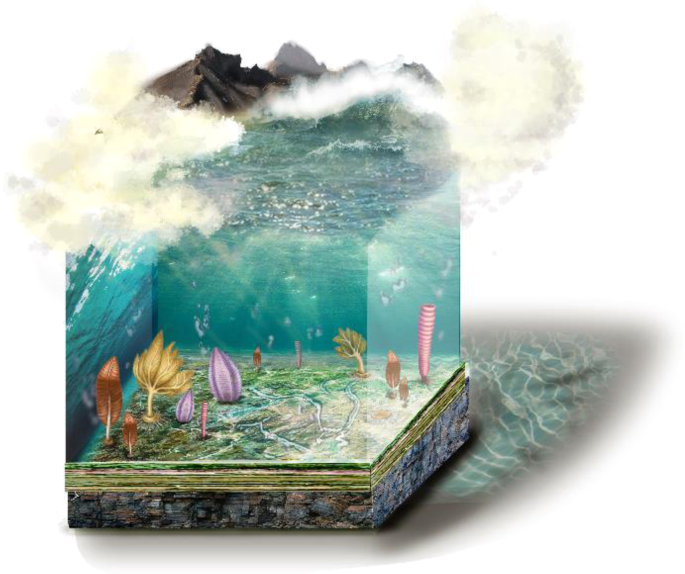
The implications of this finding are profound. It paints a picture of a dynamic, localized oxygen cycle operating long before a global atmosphere existed. In this model, cyanobacteria living in microbial mats or shallow waters would have produced oxygen as a waste product. Nearby, other microbes—equipped with the newly evolved heme copper oxygen reductase—would have immediately consumed this oxygen for their own metabolic benefit.
This created a tight, efficient loop where oxygen never had a chance to escape into the broader environment in significant quantities. "Organisms living near cyanobacteria could have used this enzyme to rapidly consume small amounts of oxygen as it was produced," the study suggests. This biological sink could have been a major factor in delaying the atmospheric accumulation of oxygen, explaining the mysterious 600-million-year gap.
This research aligns with a growing understanding that the GOE was not a sudden switch but the culmination of a long, complex struggle between oxygen sources and sinks. Life itself, in its drive to exploit new energy sources, became one of the most significant sinks. "Our study adds to this very recently emerging story that life may have used oxygen much earlier than previously thought," Husain stated. "It shows us how incredibly innovative life is at all periods in Earth's history."
Redefining the Narrative of Aerobic Evolution
The discovery fundamentally alters the story of how life adapted to an oxygenated world. Instead of organisms scrambling to adapt after oxygen filled the atmosphere, the process was gradual and co-evolutionary. The ability to use oxygen likely provided a significant energetic advantage, allowing these early aerobic microbes to outcompete their anaerobic neighbors in niches where oxygen was present.
This gradual arms race—with cyanobacteria producing oxygen and other microbes developing ways to use it—set the stage for the eventual dominance of aerobic metabolism. By the time the GOE occurred, and chemical sinks became saturated, life was already pre-adapted. A diverse toolkit for processing oxygen already existed, allowing organisms to thrive immediately in the new, oxygen-rich world. "The puzzle pieces are fitting together and really underscore how life was able to diversify and live in this new, oxygenated world," Husain concluded.
The MIT study, supported by the Research Corporation for Science Advancement, demonstrates the power of combining genomics, evolutionary biology, and geochemistry to solve deep-time mysteries. It reminds us that life is not merely a passive passenger on Earth but an active, shaping force in planetary history. The very air we breathe today is the product of billions of years of biological innovation, competition, and resilience, beginning with microbes that learned to breathe long before the air was truly breathable.