Read on PBS News
Federal Judge Orders Restoration of Slavery Exhibit at George Washington's Philadelphia Home
A federal judge has mandated the reinstatement of an exhibit detailing the lives of nine people enslaved by George Washington at his former Philadelphia residence. The ruling, citing George Orwell's '1984', rebukes the Trump administration's removal of the panels last month under an executive order aimed at historical narratives. The exhibit, part of a partnership between Philadelphia and the National Park Service, includes crucial stories of individuals like Oney Judge and Hercules, who escaped to freedom. This legal decision highlights ongoing national debates over historical interpretation, memory, and the role of government in presenting the nation's complex past.
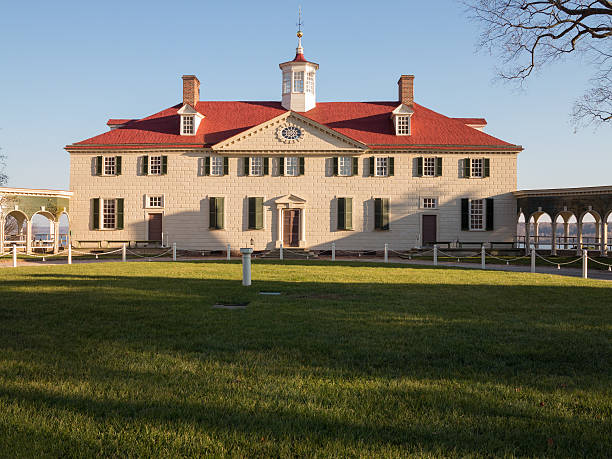
A federal judge has delivered a significant ruling in a case involving historical interpretation and government authority, ordering the Trump administration to restore an exhibit about nine individuals enslaved by George Washington at his former Philadelphia home. The decision, handed down on Presidents Day, directly challenges the administration's recent actions to remove historical content deemed politically contentious. This legal confrontation centers on the President's House site within Independence National Historical Park, where George and Martha Washington lived with enslaved people during the 1790s when Philadelphia served as the nation's capital.

The case emerged after the National Park Service, following a directive from the Trump administration, removed explanatory panels from the site in January. The city of Philadelphia subsequently filed a lawsuit, leading to U.S. District Judge Cynthia Rufe's ruling that all materials must be restored to their original condition while the legal challenge proceeds. The judge, an appointee of President George W. Bush, framed her decision with a powerful literary reference, comparing the administration's actions to the historical revisionism depicted in George Orwell's dystopian novel "1984."
The Legal and Historical Context
The removal of the exhibit panels occurred in response to President Trump's executive order titled "restoring truth and sanity to American history," which directed the Interior Department to ensure that federal museums, parks, and landmarks do not display elements that "inappropriately disparage Americans past or living." During court proceedings, Justice Department lawyers argued that Trump officials possess the authority to determine which historical narratives to present at National Park Service sites. Judge Rufe characterized these arguments as "dangerous" and "horrifying," asserting in her written order that the federal government does not have the power "to dissemble and disassemble historical truths when it has some domain over historical facts."
The Exhibit and Its Significance
The exhibit in question was created approximately two decades ago through a partnership between the city of Philadelphia and federal officials. It provides biographical details about each of the nine people enslaved by the Washingtons at the Philadelphia residence, including two individuals who successfully escaped to freedom. Among them was Oney Judge, born into slavery at the Washington family's Mount Vernon plantation in Virginia, who escaped from the Philadelphia house in 1796. Despite Washington declaring her a fugitive and publishing advertisements seeking her return, Judge reached New Hampshire, a free state at the time. Another enslaved person, Hercules, escaped in 1797 and lived in New York City under the name Hercules Posey.
The historical significance of these stories extends beyond individual biographies. In 2022, the National Park Service added the President's House site to a national network of Underground Railroad locations, pledging to "honor, preserve and promote the history of resistance to enslavement through escape and flight." Judge Rufe noted that removing materials about Oney Judge "conceals crucial information linking the site" to this important national network commemorating resistance to slavery.
Broader Pattern of Historical Content Removal
The Philadelphia case represents part of a broader pattern of historical content removal under the Trump administration. According to the reporting from PBS NewsHour, similar actions have occurred at other National Park Service sites. At Grand Canyon National Park, signage explaining how settlers pushed Native American tribes "off their land" for the park's establishment and "exploited" the landscape for mining and grazing has disappeared. Additionally, a rainbow flag was recently removed from the Stonewall National Monument, a key site in the modern LGBTQ+ rights movement, and references to transgender people have been eliminated from the monument's official webpage, despite trans women of color playing significant roles in the 1969 uprising.
Community Response and Implications
The ruling has been celebrated by local politicians and Black community leaders in Philadelphia. State Representative Malcolm Kenyatta, a Philadelphia Democrat, stated that the community prevailed against what he characterized as an attempt by the Trump administration to "whitewash our history." He emphasized, "Philadelphians fought back, and I could not be more proud of how we stood together." The legal decision raises important questions about the government's role in historical interpretation and the balance between presenting complex national histories and potentially uncomfortable truths. As the lawsuit continues to proceed through the courts, this case may establish important precedents regarding historical preservation and narrative control at federally managed sites across the country.

Judge Rufe's ruling prohibits Trump officials from installing replacement materials that explain the history differently while the legal challenge plays out. The Interior Department has not provided immediate comment on the decision, which was issued while government offices were closed for the federal holiday. Federal officials retain the right to appeal the ruling, and the judge did not specify a precise timeline for when the exhibit must be restored. What remains clear is that this legal confrontation has brought to the forefront fundamental questions about historical memory, government authority, and how a nation chooses to remember the complex and often painful aspects of its past.