Read on the Guardian
ICC Judges Defy Trump Sanctions, Vow to Uphold International Justice
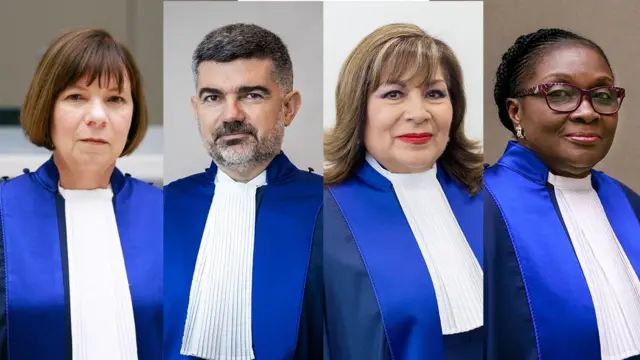
International Criminal Court judges Kimberly Prost and Luz del Carmen Ibáñez Carranza describe the profound personal and professional impact of U.S. sanctions imposed by the Trump administration. Despite having their credit cards cancelled, digital accounts closed, and facing travel bans, both judges remain resolute that these 'coercive measures' will not affect the court's independent work investigating war crimes and crimes against humanity. The sanctions have drawn condemnation from 79 nations and raised serious concerns about attacks on the international rule of law.
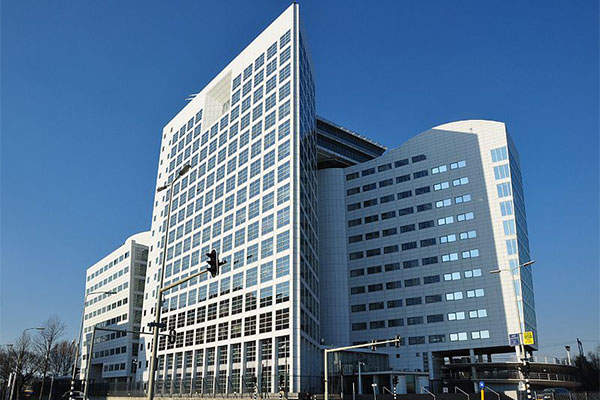
The International Criminal Court (ICC), established to prosecute the world's most serious crimes, finds itself in an unprecedented confrontation with the United States. When the Trump administration imposed sanctions on ICC officials, including judges Kimberly Prost and Luz del Carmen Ibáñez Carranza, it marked a significant escalation in tensions between Washington and The Hague-based court. These measures, described by the judges as "direct and flagrant attacks" on judicial independence, have created both practical challenges and profound questions about the future of international justice.
The Sanctions and Their Immediate Impact
For Judge Kimberly Prost, a Canadian jurist with years of experience at the ICC, learning about the sanctions came as a shock. "It really was a moment of a bit of disbelief," she said, particularly disturbing because the sanctions placed her on the same list as terrorists and organized crime figures. The practical consequences were immediate and far-reaching. As reported by The Guardian, her credit cards were cancelled regardless of where they were issued, and her Amazon and Google accounts were closed, making simple daily tasks like booking transportation or making reservations impossible.
Judge Luz del Carmen Ibáñez Carranza, from Peru, experienced similar disruptions. Her bank in the Netherlands cancelled her credit card despite being a European institution, demonstrating what she called "over-compliance with the sanctions" due to fears about relationships with U.S. financial institutions. Both judges emphasized that these were not symbolic measures but had "serious impact in terms of day-to-day life," creating constant uncertainty about whether basic financial transactions would be processed or rejected.

Broader Implications for International Justice
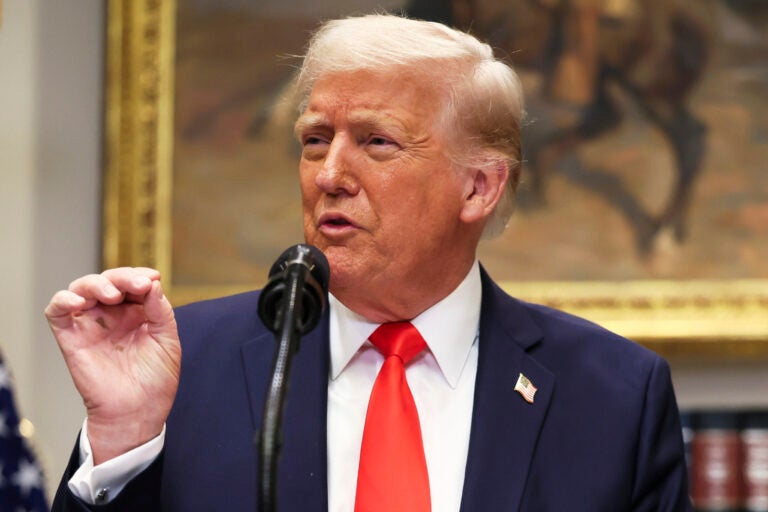
The Trump administration's executive order accused the ICC of engaging in "illegitimate and baseless actions targeting America and our close ally Israel," suggesting the sanctions were retaliation for investigations into U.S. and Israeli officials. Neither country is among the 125 signatories of the Rome Statute that established the court. This action prompted 79 nations—including Canada, Brazil, Denmark, Mexico, and Nigeria—to issue a joint statement condemning the sanctions, warning they "increase the risk of impunity for the most serious crimes and threaten to erode the international rule of law."
Judge Ibáñez Carranza pointed to the particularly distressing aspect of how sanctions affected family members. Her daughter, who lives in another part of the world and has no connection to the ICC, had her U.S. visa and Google accounts cancelled. "This is pure retaliation for something she hasn't done," the judge stated, noting this pattern extended to spouses, parents, and children of other ICC officials. She emphasized the court's mission: "We serve humanity. We are delivering justice for the most vulnerable victims around the world, for millions and millions of women and children who have no voice."
Judicial Resilience and Court Response
Despite the personal and professional challenges, both judges remain unwavering in their commitment to their judicial duties. "These measures are completely futile," declared Judge Prost. "I can say that, on behalf of all of the judges of this court and the prosecutors, we will continue to do our jobs independently. It does not affect the way we look at our cases or how we decide them." The court has implemented preventative measures to protect its operations, though concerns persist that Washington could expand sanctions to target the institution as a whole.
The situation represents the second time Judge Ibáñez Carranza has been targeted by a global power for her ICC work. In December, a Russian court tried her in absentia along with other ICC officials after the court issued an arrest warrant for Vladimir Putin regarding the invasion of Ukraine. However, she noted the U.S. sanctions carried particular weight due to America's dominant position in the global financial system.
Conclusion: Defending the Cause of Humanity
The confrontation between the ICC and the Trump administration highlights fundamental tensions in the international legal order. As Judge Ibáñez Carranza articulated, "This is the kind of persecution that I think the world should not allow to happen." The judges' experiences underscore how sanctions designed to pressure international institutions can have deeply personal consequences while raising critical questions about judicial independence and the protection of those who administer international justice. Their resilience in the face of these challenges serves as a powerful statement about the importance of maintaining impartial judicial institutions capable of addressing the world's most serious crimes, regardless of political pressure from powerful nations.