Read on bbc.com
Supreme Court Tariffs Ruling Curtails Presidential Power and Weakens Trump's Trade Agenda
The US Supreme Court has delivered a significant blow to former President Donald Trump's trade policy by ruling that Congress, not the president, holds the constitutional power to impose tariffs. In a 6-justice majority decision, the court rejected Trump's use of the Emergency Economic Powers Act of 1977 to enact sweeping tariffs, marking a rare judicial check on executive authority. This ruling weakens Trump's negotiating position with other nations, potentially emboldens trading partners, and forces the administration to explore more limited, time-consuming alternatives for future trade actions. The decision also raises complex questions about refunding billions in collected tariff revenue and creates an awkward dynamic ahead of Trump's State of the Union address.
The US Supreme Court has delivered a substantial judicial check on presidential authority, ruling against former President Donald Trump's expansive use of executive power to impose tariffs. This decision represents a significant setback for Trump's second-term trade agenda and establishes important constitutional boundaries between executive and legislative powers. The ruling comes after months of warnings from Trump that such a decision would constitute an "economic and national security disaster," yet six justices determined that Congress alone holds the constitutional authority to levy tariffs.
Constitutional Boundaries and Presidential Authority
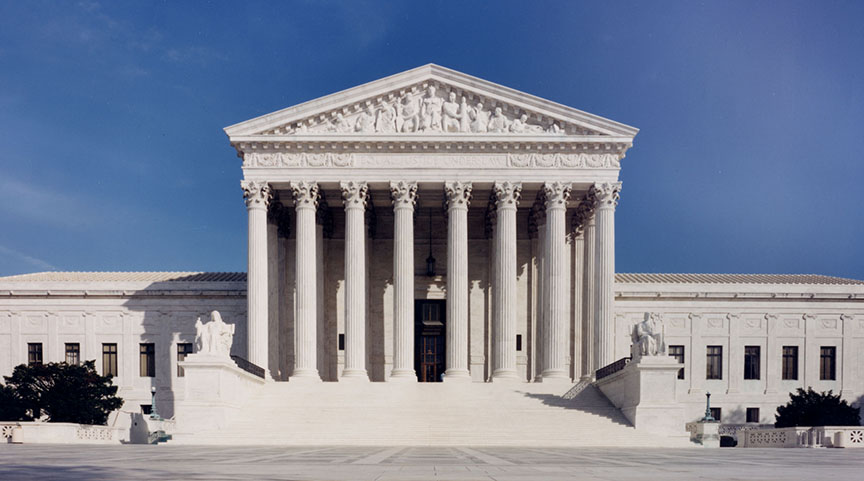
The Supreme Court's majority opinion firmly established that Congress, not the president, possesses the constitutional power to impose tariffs. The justices examined the Emergency Economic Powers Act of 1977, which Trump's administration had cited as legal justification for its sweeping tariff actions. The court determined that nothing in this legislation delegated such broad authority to the executive branch, requiring explicit congressional authorization for such economic measures.
This ruling marks a departure from the court's recent tendency to allow Trump considerable latitude in pursuing his policy agenda, particularly in areas like immigration and federal government restructuring. As noted in BBC analysis, the decision represents "a rare check on this president's broad use of executive authority" and signals that even a generally sympathetic court has limits regarding presidential power expansion.
Implications for Trump's Trade Policy
The immediate consequence of this ruling is a substantial weakening of Trump's negotiating position with other nations. Without the ability to threaten or implement sweeping tariffs through executive action alone, the president's leverage in trade negotiations diminishes significantly. Trading partners who previously faced the threat of sudden, substantial tariffs may now feel emboldened to take tougher positions, knowing that future tariff actions will require more extensive procedural steps and potentially congressional approval.
The ruling also opens complex questions about tariff revenue collected over the past year. While the Supreme Court left this issue for lower courts to resolve, Justice Brett Kavanaugh warned in his dissent that the refund process could become a "mess." This creates potential financial complications for the administration and uncertainty for businesses that have paid these tariffs.
Alternative Approaches and Political Ramifications
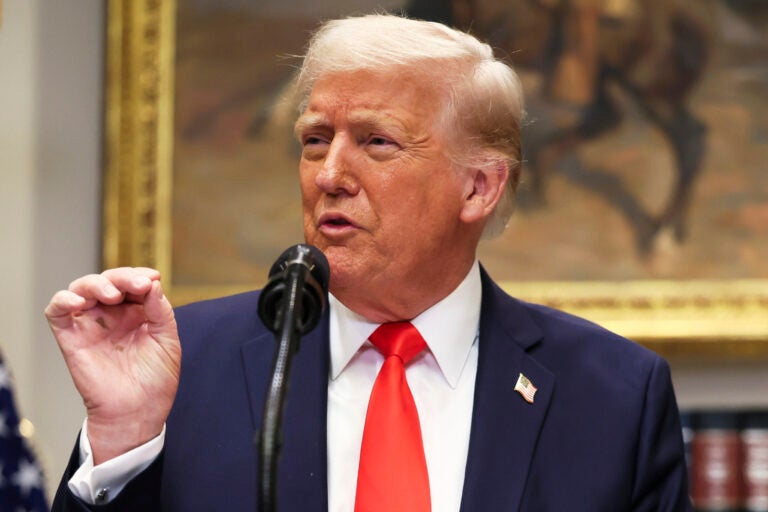
The Trump administration now faces the challenge of pursuing its trade agenda through more limited mechanisms. According to trade adviser Jamieson Greer, the White House has "a lot of different options" for continuing tariff policies, but these alternatives come with significant constraints. Future tariff actions will require detailed agency reports justifying their imposition, along with limitations on scope and duration. Most importantly, they will necessitate longer lead times, eliminating the element of surprise that characterized Trump's previous tariff announcements.
Politically, the ruling may provide relief to some Republican lawmakers facing difficult elections. Trump's tariffs have proven unpopular with many American consumers, and Republican candidates in competitive districts would have been vulnerable to Democratic attacks supporting these policies. With the court's decision reducing this vulnerability, some conservative allies in Congress may actually welcome the judicial intervention despite its constraint on presidential power.
Broader Context and Future Implications
This tariff case represents just one of several major challenges to Trump's use of executive authority currently working through the judicial system. Other controversial actions, including efforts to end birthright citizenship and dismiss Federal Reserve governors, face similar legal scrutiny. The Supreme Court's willingness to check presidential power in this instance suggests that Trump may encounter additional setbacks in these areas.
The decision also creates an awkward dynamic for Trump's upcoming State of the Union address. Traditionally, Supreme Court justices sit prominently in the front row during this annual speech, placing Trump in direct visual contact with the justices who just curtailed a key element of his policy agenda. This juxtaposition will highlight the tension between the executive and judicial branches regarding the boundaries of presidential power.

Looking forward, if Trump wishes to restore his ability to impose tariffs freely, he would need to seek explicit congressional authorization. However, with narrow Republican majorities and midterm elections approaching, such legislative action appears unlikely. This reality forces a fundamental shift in how the administration approaches trade policy, moving from unilateral executive action to more collaborative, constitutionally constrained approaches.
The Supreme Court's decision represents more than just a policy setback for Trump—it reaffirms constitutional separation of powers and establishes important precedents regarding presidential authority in economic matters. While weakening Trump's immediate negotiating position, the ruling strengthens constitutional governance and reinforces the principle that significant economic policies require legislative participation rather than unilateral executive action.