Read on nature.com
Ultrasound-Powered Robot Fish: A New Frontier in Targeted Drug Delivery
Researchers are developing miniature robotic devices, including one resembling a stingray, that can be propelled through bodily fluids using ultrasound waves and tiny bubbles. This technology, known as 'stingraybot', represents a significant advancement in medical robotics, offering the potential for non-invasive, targeted drug delivery within the digestive tract and other internal systems. By harnessing external ultrasound energy, these tiny robots could navigate to precise locations to release therapeutic payloads, minimizing side effects and improving treatment efficacy for a range of conditions.
The concept of microscopic robots navigating the human body to deliver medicine has long been a staple of science fiction. Today, that vision is inching closer to reality with the development of ultrasound-powered programmable artificial muscles. These tiny devices, including one bio-inspired model that resembles a miniature stingray, could be swallowed and then guided through bodily fluids to release drugs at specific sites within the digestive tract.
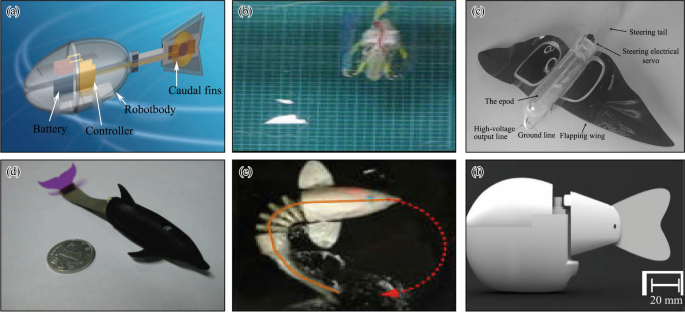
This innovative approach, detailed in research covered by Nature, moves beyond traditional pill-based drug delivery. Instead of relying on systemic absorption, these microrobots aim for precision. The 'stingraybot' prototype demonstrates how external energy sources can be harnessed to power and control devices inside the body without invasive surgery or bulky internal batteries.
How Ultrasound-Powered Microrobots Work
The core innovation lies in the propulsion mechanism. These robots are not self-powered with miniature engines; they are actuated by external ultrasound waves. The device incorporates tiny bubbles or specially designed artificial muscles that respond to the pressure waves of targeted ultrasound. When the ultrasound hits these components, they vibrate or change shape, creating a swimming motion that propels the robot forward through liquid environments like those found in the stomach or intestines.
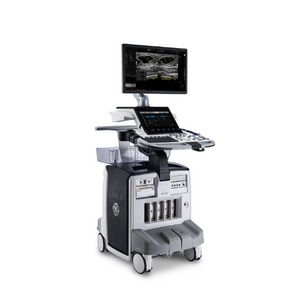
This method offers several key advantages. Ultrasound is non-ionizing and widely used in medical imaging, making it a relatively safe energy source for internal applications. Furthermore, because the power is supplied externally, the robots themselves can be made incredibly small and simple, focusing their design on drug-carrying capacity and navigational control rather than energy storage.
Potential Applications and Future Impact
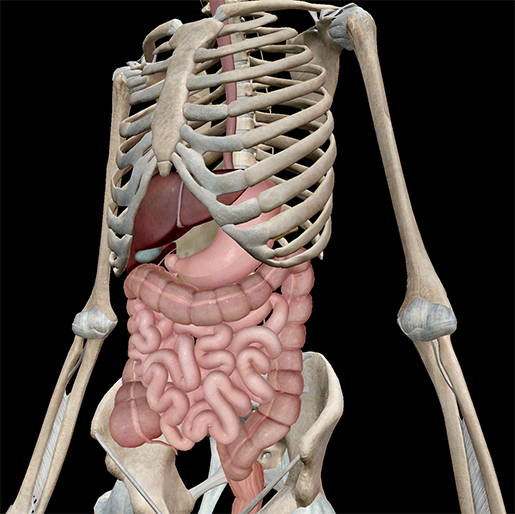
The most immediate application for this technology is targeted drug delivery within the gastrointestinal (GI) tract. Conditions like Crohn's disease, ulcerative colitis, or certain cancers could be treated more effectively by delivering high concentrations of medication directly to inflamed or diseased tissue, sparing healthy areas from exposure and reducing systemic side effects.
Looking further ahead, the principles demonstrated by the stingraybot could be adapted for use in other fluid-filled areas of the body, such as the circulatory system or the eyes. The ability to guide a microscopic agent to a precise location opens doors for not only drug delivery but also for minimally invasive biopsies, localized imaging, and even clearing blockages in blood vessels.
Challenges and the Road Ahead
While promising, significant hurdles remain before these devices become a clinical reality. Researchers must ensure the biocompatibility and eventual safe elimination of the robots from the body. Precise, real-time control and tracking of devices deep within the body using ultrasound also presents a major engineering challenge. Furthermore, scaling up manufacturing to produce reliable, medical-grade microrobots cost-effectively will be crucial for practical adoption.
This research, as reported, sits at the exciting intersection of biotechnology, robotics, and materials science. It exemplifies a broader trend toward minimally invasive, intelligent medical devices. As work continues to refine the design, control, and safety of these ultrasound-powered swimmers, they hold the potential to revolutionize how we administer therapies, making treatments more effective, comfortable, and personalized.