Read on nature.com
From Stinkweed to Supercrop: Genetic Engineering Creates a New Source of Seed Oil
A common weed known for its pungent odor, field pennycress (Thlaspi arvense), has been transformed through genetic editing into a promising new winter crop for producing seed oil. This scientific breakthrough, detailed in a recent study published in Nature Plants, demonstrates how advanced biotechnology can repurpose wild plants into valuable agricultural commodities. The engineered 'stinkweed' offers a potential new revenue stream for farmers and a novel source of oil for industrial or nutritional uses, showcasing the practical application of genetic tools in modern agriculture.
The agricultural landscape is continually evolving, with scientists seeking innovative ways to enhance crop productivity and sustainability. A recent breakthrough demonstrates this evolution in a surprising form: the transformation of a common, pungent weed into a valuable oilseed crop. Through precise genetic editing, researchers have successfully engineered field pennycress, often dismissed as a nuisance 'stinkweed,' into a plant with significant agricultural and economic potential. This development, reported in Nature Plants, represents a novel application of biotechnology to create a new winter crop that could diversify farm income and provide a new source of seed oil.
The Science Behind the Transformation
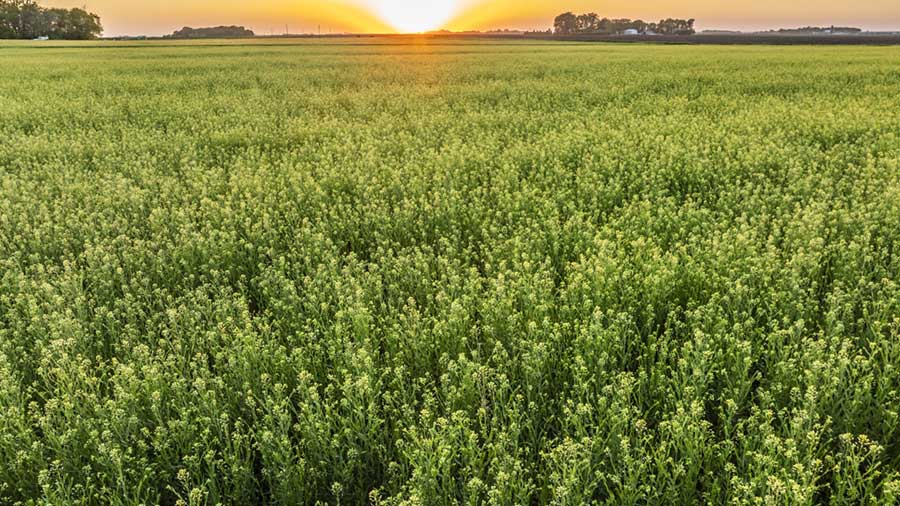
The research focused on Thlaspi arvense, commonly known as field pennycress. This plant is native to Eurasia but has become widespread in many regions, including the US Midwest, where it is often considered a weed due to its strong odor. The goal of the genetic editing was to modify the plant's traits to make it more suitable for cultivation as an oilseed crop. By targeting specific genes, scientists were able to alter characteristics related to seed oil composition, yield, and potentially reduce the undesirable pungent compounds that give the plant its 'stinkweed' nickname. The successful domestication via genetic tools, as highlighted in the Nature article, opens a direct pathway to agricultural utility.
Agricultural and Economic Potential
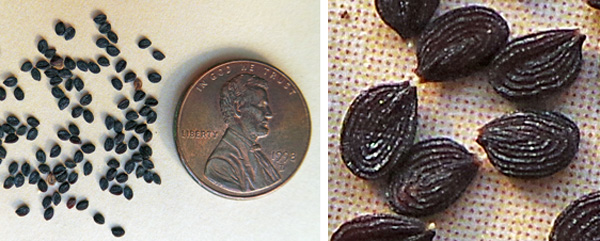
The primary value of the engineered pennycress lies in its potential as a winter crop. In many farming systems, fields lie fallow during the winter months. Planting a cold-tolerant crop like pennycress could provide ground cover, reduce soil erosion, and offer farmers an additional harvest and revenue stream without interfering with primary summer crops like corn or soybeans. The seeds of the modified plant are designed to produce a useful oil. This oil could have applications in various industries, including as a feedstock for biofuels, a component in lubricants, or, pending further analysis and approval, even for nutritional purposes. This creates a new agricultural product from a previously undervalued plant.
Implications for Sustainable Farming
Introducing a new winter crop like engineered pennycress aligns with broader goals of sustainable agriculture. By utilizing land during the off-season, it can improve overall land-use efficiency. The plant's growth cycle can help capture nutrients that might otherwise be lost from the soil, potentially reducing the need for fertilizer in subsequent crops. Furthermore, as a new source of plant-based oil, it could contribute to diversifying the bioeconomy and reducing reliance on a limited number of oilseed crops. The development is a clear example of how genetic engineering can be directed toward creating practical, environmentally beneficial solutions for the farming sector.
Conclusion
The genetic transformation of field pennycress from a malodorous weed into a promising oilseed crop is a testament to the power of modern plant science. It illustrates a forward-thinking approach to agriculture: identifying value in overlooked species and using precise tools to unlock their potential. While further development and regulatory steps are likely needed before widespread adoption, this research paves the way for a new agricultural commodity. It offers a glimpse into a future where genetic editing helps build more resilient, productive, and diversified farming systems, turning challenges like weeds into valuable opportunities.