The Unexpected Drivers Behind the 2020s Methane Surge
Atmospheric methane levels experienced an unprecedented spike in the early 2020s, driven by a surprising combination of factors. New research reveals that a temporary weakening of the atmosphere's natural cleansing process, combined with unusually wet global conditions, allowed methane to accumulate at record rates. This article explores the complex interplay between pandemic-related air pollution changes, climate variability, and microbial emissions that created this significant environmental event, highlighting the challenges for future climate mitigation efforts.
The early 2020s witnessed a dramatic and unexpected acceleration in atmospheric methane accumulation, presenting scientists with a complex puzzle. Contrary to initial assumptions that focused solely on increased emissions from human activities, research published in Science reveals a more nuanced story. The surge was primarily driven by a temporary but significant slowdown in the atmosphere's ability to break down methane, coupled with climate-driven increases in emissions from natural and managed ecosystems. This combination created a perfect storm that pushed methane concentrations to record highs, underscoring the intricate connections between atmospheric chemistry, climate patterns, and human influence.
The Weakened Atmospheric Clean-Up Mechanism
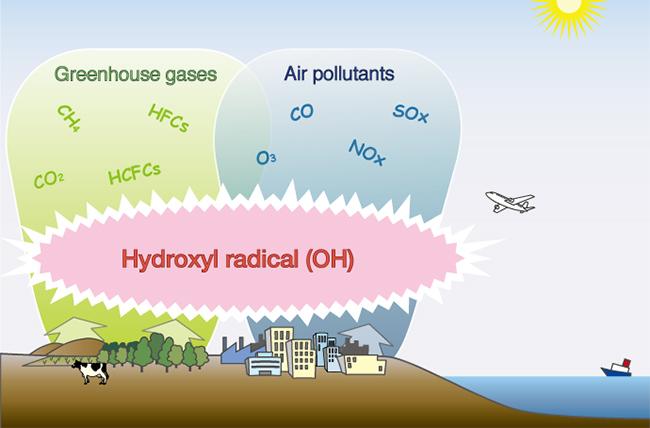
The primary driver of the methane surge was not a massive increase in emissions, but rather a dramatic reduction in the atmosphere's natural removal capacity. Methane is primarily destroyed in the atmosphere by hydroxyl (OH) radicals, often described as the atmosphere's "detergent." During 2020-2021, the concentration of these crucial radicals dropped significantly. According to the international research team, this decline in atmospheric cleansing power explains approximately 80-85% of the year-to-year variability in how quickly methane accumulated during this period.
This weakening was indirectly linked to pandemic-related changes. Lockdowns and reduced industrial activity led to a sharp decrease in emissions of nitrogen oxides (NOₓ), which are key precursors in the formation of hydroxyl radicals. As research from Boston College explains, a cleaner atmosphere with less pollution paradoxically reduced the chemical processes that normally keep methane in check. This finding highlights how interconnected atmospheric systems are, where efforts to reduce one type of pollution can have unintended consequences for another.
Climate Amplification: A Wetter World Emits More
While the weakened sink was the dominant factor, climate conditions significantly amplified the problem. A prolonged La Niña phase from 2020 to 2023 brought unusually wet weather to tropical regions worldwide. These conditions expanded flooded landscapes—perfect environments for methane-producing microbes (methanogens). Emissions increased substantially from natural wetlands, rivers, lakes, and agricultural systems like paddy rice fields.
The largest emission increases were observed in tropical Africa and Southeast Asia, where expanded wetlands under wet conditions became major methane sources. Arctic regions also contributed, as warmer temperatures boosted microbial activity in northern wetlands and lakes. In a striking contrast, South American wetlands showed decreased emissions during the extreme drought associated with the 2023 El Niño, demonstrating methane's high sensitivity to climate extremes. As the planet warms, these climate-driven methane sources are expected to play an increasingly important role in near-term climate change.
Implications for Climate Policy and Future Projections
The 2020s methane surge carries significant implications for global climate mitigation efforts, particularly the Global Methane Pledge. The research indicates that current bottom-up emission models often underestimate emissions from natural flooded ecosystems and their dynamic responses to climate variability. This creates critical gaps in monitoring and prediction capabilities.
Future methane trends will depend not only on human efforts to control emissions from fossil fuels, agriculture, and waste, but also on climate-driven changes in natural systems. As noted by researchers, mitigation strategies must account for these climate-sensitive sources to be effective. The event serves as a powerful reminder that atmospheric systems are complex and interconnected, requiring integrated approaches to understanding and addressing climate change that consider both human activities and natural biogeochemical cycles.