Read on nature.com
Super-Sniffer Aeroplanes Uncover Hidden Methane Emissions from Oil Fields
Advanced aerial monitoring technology is revealing a significant discrepancy in methane emissions reporting from the US oil and gas industry. Research published in Atmospheric Chemistry and Physics indicates that emissions from producing regions may be up to five times higher than what companies report to regulators. This article explores the technology behind these 'super-sniffer' aeroplanes, the implications of the findings for climate policy, and the growing importance of independent verification in environmental monitoring.
The fight against climate change relies on accurate data, particularly when it comes to potent greenhouse gases like methane. Recent advancements in aerial monitoring technology are casting new light on emissions from the oil and gas sector, revealing discrepancies that challenge official reporting. Using sophisticated 'super-sniffer' aeroplanes, scientists are conducting atmospheric surveys that provide an independent check on industry-reported data. The findings are significant, suggesting that actual methane emissions from oil- and gas-producing regions in the continental United States may be substantially higher than previously documented.
The Technology Behind Atmospheric Surveillance
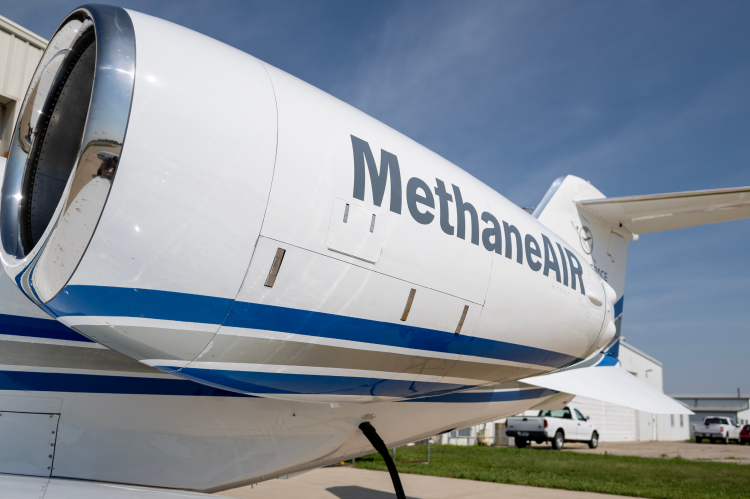
These specialized aircraft are equipped with highly sensitive spectroscopic instruments capable of detecting and quantifying methane concentrations in the atmosphere from the air. By flying over oil- and gas-producing basins, researchers can map emission plumes and calculate total methane output from large geographic areas. This top-down approach differs fundamentally from the bottom-up inventory methods typically used by companies, which often rely on engineering estimates and intermittent ground-based measurements at individual facilities. The aerial method provides a more comprehensive, snapshot view of regional emissions, capturing both routine leaks and unpredictable release events that might be missed by other monitoring techniques.
Revealing the Emissions Gap
Research utilizing this technology has uncovered a concerning trend. A study highlighted in Nature and published in the journal Atmospheric Chemistry and Physics indicates that oil- and gas-producing regions in the continental United States are emitting up to five times more methane than the extracting companies report to government regulators. This substantial gap between measured atmospheric concentrations and reported inventory data points to potential underestimations in current emissions accounting frameworks. The implications are serious, as methane is a greenhouse gas with over 80 times the warming power of carbon dioxide over a 20-year period, making accurate tracking essential for effective climate policy.

Implications for Policy and Industry Accountability
The findings from aerial surveillance programs strengthen the case for enhanced monitoring, reporting, and verification (MRV) requirements within the energy sector. As nations commit to reducing methane emissions under international agreements, independent verification tools like aerial surveys will become increasingly critical for ensuring transparency and compliance. For regulators, this technology offers a powerful tool to validate self-reported data and identify regions or companies where mitigation efforts should be prioritized. For the industry, it presents both a challenge and an opportunity to improve leak detection and repair programs, potentially reducing product loss and demonstrating environmental stewardship.
The Future of Emissions Monitoring
The integration of aerial surveillance with other technologies, such as continuous ground sensors and satellite-based monitoring, is paving the way for a multi-tiered verification system. This system promises near-real-time detection of major emission events and more accurate global inventories. As the technology becomes more widespread and cost-effective, it is likely to become a standard component of environmental oversight for the oil and gas industry and other major methane sources like agriculture and waste management. The era of relying solely on self-reported data is giving way to a new paradigm of independent, science-based verification.
In conclusion, the deployment of 'super-sniffer' aeroplanes represents a significant leap forward in our ability to understand and address methane pollution. By revealing a substantial gap between reported and actual emissions, this technology is not just a scientific tool but a catalyst for greater accountability and more effective climate action. As the world strives to meet its climate goals, such independent verification mechanisms will be indispensable for tracking progress, informing policy, and ensuring that emission reductions are real and verifiable.