Read on PBS News
Federal Grand Jury Halts Effort to Indict Lawmakers Over Military Disobedience Message
A federal grand jury has blocked the Trump administration's attempt to prosecute six Democratic lawmakers under an anti-insubordination law. The lawmakers, all with military or intelligence backgrounds, published a video message in November urging service members to disobey illegal orders. Representative Jason Crow of Colorado, a former Army Ranger, discusses the legal implications, the administration's alleged intimidation tactics, and the broader constitutional principles at stake in this high-profile political and legal confrontation.
A federal grand jury has delivered a significant check on executive power, declining to indict six Democratic lawmakers targeted by the Trump administration for a public message urging military and intelligence personnel to disobey illegal orders. This development halts, at least temporarily, a controversial effort to use an anti-insubordination statute against sitting members of Congress, raising profound questions about free speech, political intimidation, and the constitutional obligations of service members.
The Controversial Message and Legal Response
In November, six lawmakers with distinguished backgrounds in national security—Senators Mark Kelly (D-AZ) and Elissa Slotkin (D-MI), and Representatives Jason Crow (D-CO), Maggie Goodlander (D-NH), Chris Deluzio (D-PA), and Chrissy Houlahan (D-PA)—published a coordinated video message. They directly addressed members of their former military and intelligence communities, reminding them of their oath to the Constitution and their duty to refuse unlawful commands. The Trump administration, viewing this as obstruction, reportedly sought indictments against all six under an anti-insubordination law.
Grand Jury Rejection and Political Fallout
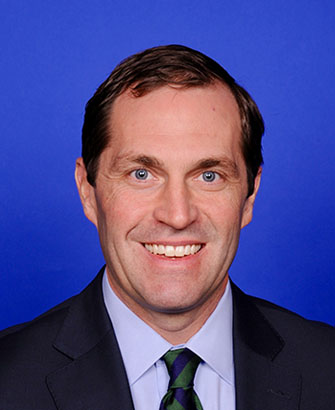
The administration's push for prosecution hit a wall when a federal grand jury refused to bring charges. This legal rebuff occurred despite the famously low threshold for grand jury indictments, signaling that the jurors found the administration's case lacking in merit. House Speaker Mike Johnson (R-LA) criticized the outcome, stating that obstructing law enforcement operations "probably is a crime" and the lawmakers "probably should be indicted." In response, Representative Jason Crow, a former Army Ranger and paratrooper, dismissed Johnson's comments, noting the Speaker's lack of military service and emphasizing the foundational military training on the law of war and constitutional duty.
Threats of Legal Recourse and Accountability
Far from backing down, the targeted lawmakers are signaling a counter-offensive. Representative Crow's attorney, Abbe Lowell, has formally requested that U.S. Attorney Jeanine Pirro preserve all evidence related to the aborted indictment effort. Crow characterizes the administration's actions as political bullying and intimidation designed to chill dissent. He has vowed there will be "cost" and "accountability" for what he views as an abuse of government power and a betrayal of public trust. While not detailing specific legal strategy, Crow made clear that if the administration continues to "weaponize America's justice system against political opponents," there will be recourse.
Constitutional Principles and the Rule of Law
At the heart of this conflict is a fundamental constitutional principle: the obligation of service members to follow legal orders and refuse illegal ones. Crow argues the founders anticipated the potential for a "runaway, rogue, lawless administration" and built safeguards into the system. The grand jury's decision, in his view, demonstrates that those safeguards are working. He contends the administration's failed indictment attempt has backfired, awakening public resilience rather than suppressing dissent. Crow also cited specific examples of what he believes are unlawful orders or threats from President Trump, including unauthorized military strikes, unlawful National Guard deployments, and threats of violence that would violate the law of war.
Broader Implications for Democracy and Military Ethics
This episode extends beyond a political skirmish; it touches the core relationship between the military, the government, and the citizenry. The lawmakers' original message was intended to reassure service members that the American people and Congress would support them if they upheld their constitutional duty. The subsequent attempt to prosecute the messengers creates a chilling paradox for those same service members. Crow asserts that the ultimate accountability lies with the American people, who he believes are increasingly rejecting corruption and authoritarian overreach, and joining in the effort to "retake their democracy." The grand jury's refusal to indict marks a pivotal moment in this ongoing struggle over the boundaries of executive power and protected political speech.