Read on PBS News
Congressional Pressure Mounts Over Classified Briefing on Drug Boat Strike Video
Defense Secretary Pete Hegseth's classified briefing to congressional leaders has intensified demands for transparency regarding a controversial military strike. Lawmakers from both parties are pressing for the release of a video showing an attack on an alleged drug boat that killed two survivors, questioning the operation's legality and oversight. This article examines the growing congressional scrutiny, the administration's justification for withholding information, and the potential legislative actions being considered to assert congressional war powers.
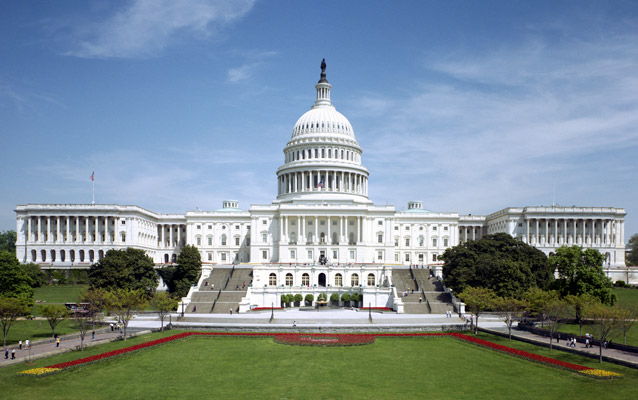
The intersection of military action, congressional oversight, and executive transparency reached a critical juncture this week as Defense Secretary Pete Hegseth briefed top lawmakers on a controversial operation. The focal point of the classified session was a video depicting a U.S. military strike on an alleged drug-smuggling vessel, an incident that has sparked a fierce debate over legality, accountability, and the balance of power between the branches of government. This briefing, which included Secretary of State Marco Rubio and other national security officials, has failed to quell congressional demands, instead fueling bipartisan calls for greater disclosure and raising fundamental questions about military engagement.
The Contentious Briefing and Congressional Reaction
On Tuesday, Defense Secretary Pete Hegseth provided a classified briefing for the congressional leadership. According to reports from the Associated Press via PBS NewsHour, the session was described by attendees as deeply unsatisfactory. Senate Democratic Leader Chuck Schumer revealed that when he directly asked Hegseth if every member of Congress would be allowed to view the full video of the September attack, the Defense Secretary's response was non-committal: “We have to study it.” This hesitation has been interpreted by lawmakers as an attempt to limit congressional oversight.
The operation in question involved strikes on boats allegedly carrying drugs near Venezuela. A particularly contentious aspect is a follow-on strike that killed two individuals who were clinging to the wreckage from an initial attack. Legal experts cited in the briefing materials suggest this secondary action may have violated laws governing the use of deadly military force. The situation has galvanized a Republican-controlled Congress that has expressed months of frustration over the Pentagon's slow release of information, awakening a renewed sense of its constitutional oversight role.

Administration Justification and Legislative Countermeasures
The Pentagon's primary argument against releasing the video centers on classification. Officials contend that public disclosure, or even broad disclosure to Congress, could reveal sensitive intelligence sources and methods. Sen. Roger Wicker (R-Miss.), chair of the Senate Armed Services Committee, acknowledged this concern after a separate classified video call with Adm. Alvin Holsey, the retiring commander of U.S. Southern Command who oversaw the operation. However, Congress is not accepting this justification passively.
Lawmakers have embedded a powerful tool in the annual National Defense Authorization Act (NDAA). The legislation, crafted with bipartisan support, mandates that the Pentagon turn over the unedited video of the strikes as well as the orders authorizing them. To enforce compliance, the bill includes a provision threatening to withhold a quarter of Secretary Hegseth's travel budget if he refuses. This represents a concrete, financial lever being used to compel executive branch transparency.
Broader Context of the Military Campaign
This specific incident is part of a larger, aggressive campaign initiated by the Trump administration targeting drug trafficking networks. Since September, the operation has struck 22 boats and killed at least 87 people. The administration has framed this not as traditional interdiction but as a direct counter-threat operation, applying rules similar to the global war on terror to target drug smugglers deemed a threat to American lives. This shift in policy has added a new and lethal dynamic to the U.S. Southern Command's mission in the region.
However, the rationale for individual strikes is under microscope. Lawmakers learned that the boat destroyed on September 2 was heading south at the time of the attack, with intelligence suggesting it was moving toward another vessel bound for Suriname—not directly toward the United States. Furthermore, the justification for the fatal follow-on strike has shifted. While the administration initially suggested the survivors were attempting to right the boat, Adm. Frank "Mitch" Bradley, the special operations commander who ordered the strike, later told lawmakers it was to prevent cartel members from later retrieving the cocaine onboard.
Potential Legislative and Political Repercussions
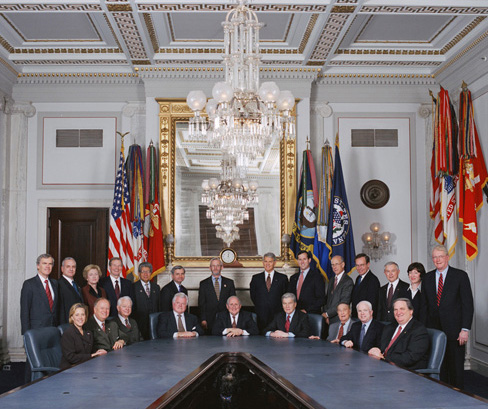
The controversy is catalyzing potential legislative action to check executive military authority. A bipartisan group of senators is preparing to force a vote on a war powers resolution that would halt the President's ability to use military force against Venezuela without explicit congressional approval. While a previous attempt failed along party lines, sponsors like Sen. Rand Paul (R-Ky.) believe there is renewed Republican interest following the details of this strike. Paul has been vocal, stating, "These follow on strikes of people who are wounded in the ocean is really against our code of military justice... They are illegal."
The political dynamics remain complex. While concern is growing, many Republicans still support the administration's broader campaign. The notable absence of House Speaker Mike Johnson from the classified briefing—the only leader to miss it—highlights the internal tensions. As the official second in line to the presidency, his absence from a discussion on war powers was seen as significant. Ultimately, the coming weeks will test whether congressional oversight can effectively demand accountability for military actions conducted under expansive executive claims of authority.