Read on Global News
UN Approves US-Backed Gaza Peace Plan with Enhanced Palestinian State Language
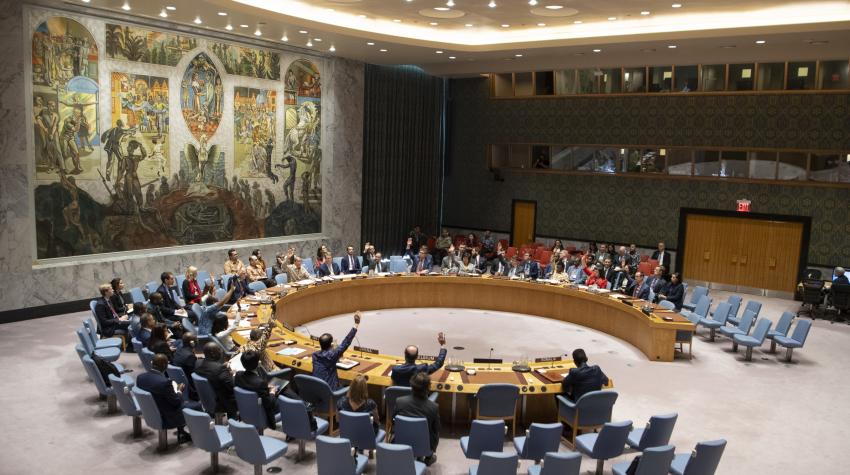
The United Nations Security Council has approved a historic U.S.-backed resolution outlining Gaza's future, endorsing President Donald Trump's 20-point ceasefire plan while incorporating stronger language about a potential pathway to Palestinian statehood. The 13-0 vote, with Russia and China abstaining, authorizes an international stabilization force and establishes a transitional authority framework through 2027. The resolution represents a significant diplomatic achievement after intensive negotiations that strengthened provisions for Palestinian self-determination, though it faces challenges from Israeli opposition and the complex task of demilitarizing Hamas.
The United Nations Security Council has taken a landmark step toward resolving the Gaza conflict by approving a comprehensive U.S.-backed resolution that outlines a detailed framework for the territory's future. This historic vote represents a crucial advancement in international efforts to establish lasting peace in the region while addressing the complex political dynamics surrounding Palestinian statehood aspirations.
Resolution Framework and Key Provisions
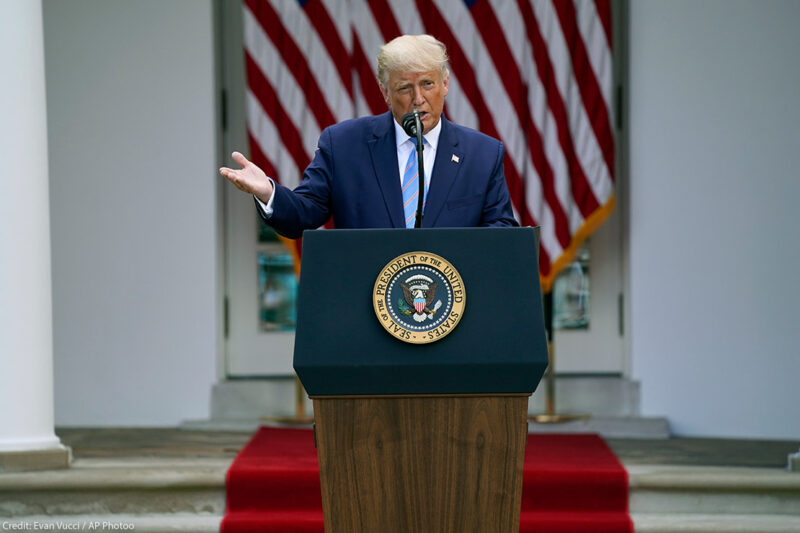
The approved resolution endorses President Donald Trump's 20-point ceasefire plan while incorporating significant enhancements to address concerns about Palestinian self-determination. The framework establishes a transitional authority structure headed by a Board of Peace, which President Trump would lead, and authorizes an international stabilization force with broad security responsibilities. According to the Associated Press report, this force will oversee border security, provide general stability, and manage the demilitarization process in Gaza.
Enhanced Palestinian State Language
During intensive negotiations spanning nearly two weeks, Arab nations and Palestinian representatives successfully pushed for stronger language regarding Palestinian self-determination. The final resolution states that after the Palestinian Authority implements necessary reforms and Gaza reconstruction advances sufficiently, "the conditions may finally be in place for a credible pathway to Palestinian self-determination and statehood." This represents a significant diplomatic achievement for Palestinian advocates who had expressed concerns about the original weaker language in the U.S. proposal.

International Support and Opposition
The resolution passed with unanimous support from 13 Security Council members, while Russia and China abstained from the vote. U.S. Ambassador Mike Waltz described the resolution as "historic and constructive" and emphasized that it "starts a new course in the Middle East." The successful adoption followed a joint statement from key Arab and Muslim nations—including Qatar, Egypt, United Arab Emirates, Saudi Arabia, Indonesia, Pakistan, Jordan, and Turkey—calling for "swift adoption" of the U.S. proposal.
Russian Alternative Proposal
Russia had circulated a competing resolution that featured stronger language supporting immediate Palestinian statehood and emphasized the necessity of unifying the West Bank and Gaza under Palestinian Authority control. The Russian proposal also eliminated references to the transitional Board of Peace and requested the U.N. Secretary-General to provide alternative options for international security forces, highlighting Moscow's preference for greater U.N. involvement in the process.

Implementation Challenges and Next Steps
The resolution authorizes the stabilization force to "use all necessary measures to carry out its mandate" in compliance with international law, which represents U.N. terminology for permitting military force when necessary. A critical challenge involves the demilitarization of Hamas, which has not fully accepted this requirement. The resolution specifies that Israeli forces will withdraw from Gaza according to "standards, milestones, and timeframes linked to demilitarization" that must be agreed upon by the stabilization force, Israeli military, the United States, and ceasefire guarantors.
The international stabilization force will work alongside trained and vetted Palestinian police units to secure border areas and coordinate humanitarian assistance delivery. The resolution mandates close consultation with neighboring Egypt and Israel throughout the implementation process. The authorization for both the Board of Peace and the stabilization force expires at the end of 2027, establishing a clear timeline for the transitional period.
This resolution represents a significant diplomatic achievement that balances immediate security needs with long-term political aspirations. While challenges remain in implementation, particularly regarding Hamas demilitarization and Israeli cooperation, the framework provides a structured approach to addressing one of the world's most intractable conflicts. The enhanced language on Palestinian statehood, combined with practical security measures, creates a foundation for sustainable peace that acknowledges the legitimate aspirations of all parties involved.