Read on PBS News
Venezuela Releases Prominent Opposition Figures Amid Political Transition
Venezuela's acting government has released several prominent opposition members from prison, including close allies of Nobel laureate María Corina Machado. The releases follow mounting international pressure and a visit from UN human rights representatives, signaling potential shifts in the country's political landscape after the capture of former President Nicolás Maduro. This development marks a significant moment in Venezuela's ongoing political crisis and human rights situation.
In a significant political development, Venezuela's government has released several prominent opposition members from prison after what human rights organizations describe as lengthy, politically motivated detentions. The releases occurred on Sunday and include key allies of Nobel Peace Prize laureate María Corina Machado, marking a notable shift in the country's approach to political dissent following the capture of former President Nicolás Maduro by U.S. forces in January 2026.
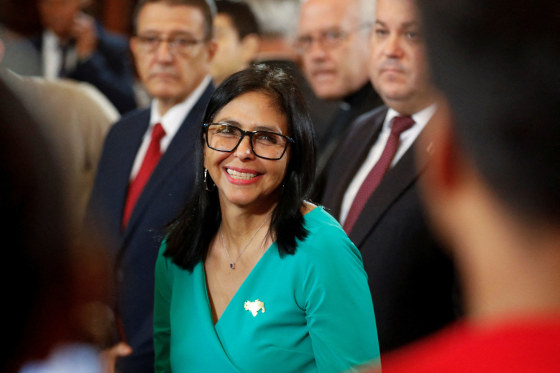
The prisoner releases come as the government of acting President Delcy Rodríguez faces increasing pressure from both domestic opposition groups and international human rights organizations to free hundreds of individuals detained for their political beliefs. This development follows a recent visit to Venezuela by representatives of the United Nations High Commissioner for Human Rights, suggesting coordinated international efforts to address the country's human rights situation.
Key Figures Released
Among those released was Juan Pablo Guanipa, a former governor and one of María Corina Machado's closest political allies. Guanipa had spent more than eight months in custody after being detained in late May and accused by Interior Minister Diosdado Cabello of participating in an alleged "terrorist group" plotting to boycott legislative elections. His brother Tomás Guanipa had previously rejected these accusations, stating that the arrest represented a crackdown on dissent and that "thinking differently cannot be criminalized in Venezuela."
Several other members of Machado's political organization were also released, including María Oropeza, whose arrest was particularly notable as she livestreamed military intelligence officers breaking into her home with a crowbar. Perkins Rocha, Machado's attorney, was among those freed as well. The Venezuelan-based prisoners' rights group Foro Penal confirmed the release of at least 30 people on Sunday.

Political Context and International Pressure
The releases occur within a complex political context following the dramatic events of early 2026. Acting President Delcy Rodríguez was sworn in after the January 3 capture in Caracas of then-President Nicolás Maduro by the U.S. military. Her government began releasing prisoners days later, announcing on January 8 that it would free a significant number of prisoners—a central demand of Venezuela's opposition and human rights organizations with backing from the United States.
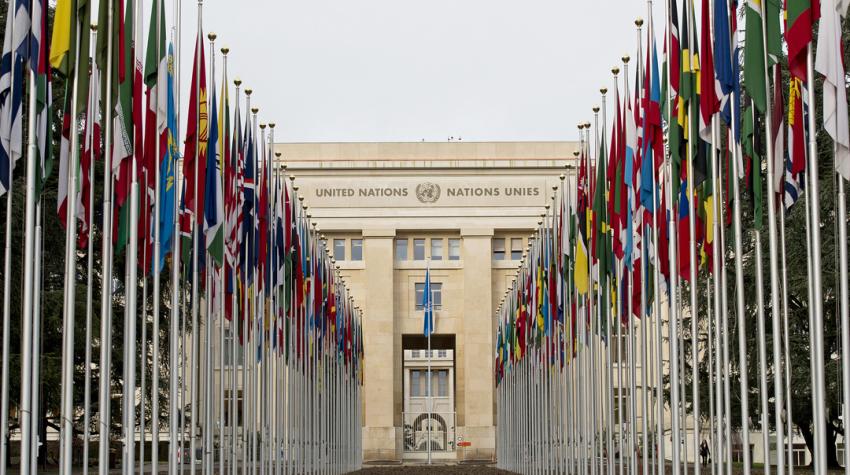
International pressure has been mounting steadily. Acting President Rodríguez and Volker Türk, the U.N. High Commissioner for Human Rights, spoke by phone in late January. According to Türk's spokesperson Ravina Shamdasani, he "offered our support to help Venezuela work on a roadmap for dialogue and reconciliation in which human rights should be at the centre" and subsequently deployed a team to the South American country.
Legislative Developments and Future Prospects
The ruling party-controlled National Assembly has begun debating an amnesty bill that could lead to the release of hundreds more prisoners. Opposition groups and non-governmental organizations have reacted with cautious optimism while demanding more information about the proposal's contents. National Assembly President Jorge Rodríguez posted a video on Instagram showing him outside a detention center in Caracas, stating that "everyone" would be released no later than next week once the amnesty bill is approved.
Juan Pablo Guanipa expressed optimism about Venezuela's future following his release, telling reporters, "I am convinced that our country has completely changed. I am convinced that it is now up to all of us to focus on building a free and democratic country." He also emphasized the importance of exiled political leaders, stating that María Corina Machado "exercises undeniable leadership" and is needed in Venezuela along with other exiled figures to move the country forward.
Ongoing Challenges and International Response
Despite these positive developments, significant challenges remain. Families and human rights watchdogs have criticized authorities for the slow pace of releases following the January 8 announcement. María Corina Machado remains in exile after leaving Venezuela in December, having not been seen in public for 11 months before appearing in Norway after the Nobel Peace Prize ceremony.
The international community continues to monitor the situation closely, with the United States maintaining pressure for democratic reforms and human rights improvements. The releases represent a potential turning point in Venezuela's political trajectory, though much depends on the implementation of promised reforms and the passage of comprehensive amnesty legislation.
As Venezuela navigates this transitional period, the world watches to see whether these prisoner releases signal genuine political opening or represent tactical concessions in a broader struggle for power and legitimacy. The coming weeks will be crucial in determining whether this marks the beginning of meaningful reconciliation or merely a temporary adjustment in political strategy.