US Policy Shift: Beijing Approves Massive Nvidia H200 Chip Sales to Chinese AI Firms
In a significant reversal of US technology policy, Beijing has reportedly approved the sale of hundreds of thousands of Nvidia H200 AI chips to major Chinese companies including ByteDance, Alibaba, and Tencent. This development follows intense lobbying by Nvidia CEO Jensen Huang and represents a strategic shift under the Trump administration's approach to China's semiconductor market. The conditional licenses, granted during Huang's recent visit to China, mark a departure from previous Biden-era export controls designed to limit China's access to advanced AI technology for national security reasons.
In a dramatic turn of events that signals a fundamental shift in US-China technology relations, Beijing has reportedly approved the sale of hundreds of thousands of Nvidia H200 AI chips to Chinese technology companies. This development represents the culmination of a year-long policy reversal in Washington and has significant implications for the global AI race, semiconductor industry dynamics, and geopolitical technology competition.

The Policy Reversal: From Restriction to Conditional Access
Under the previous Biden administration, the United States implemented stringent export controls on high-end AI chips, explicitly barring models like the Nvidia H200 from being sold to Chinese customers. These restrictions were grounded in national security concerns, aiming to limit Beijing's ability to develop powerful artificial intelligence systems with potential military or sensitive applications. The policy reflected growing anxiety about China's technological advancement and its implications for global power dynamics.
The Trump administration has adopted a markedly different approach, influenced by arguments from Nvidia CEO Jensen Huang and White House AI and crypto czar David Sacks. Their position maintains that allowing China controlled access to American AI chips serves US interests better than completely ceding this massive market to domestic Chinese chipmakers. This perspective suggests that keeping Chinese firms dependent on US technology provides both economic benefits and strategic leverage.
The Scale and Significance of the Approvals
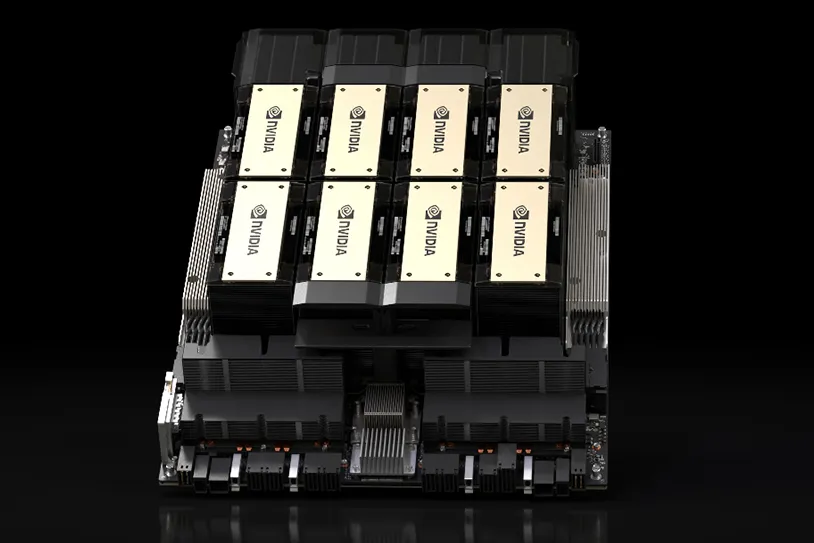
According to reports from Reuters and other news outlets, China has agreed to allow major technology companies including ByteDance, Alibaba, and Tencent to purchase more than 400,000 Nvidia H200 chips under conditional licenses. These approvals were reportedly granted during Huang's recent visit to China, where the Nvidia CEO was seen engaging in various public activities including bike rides and restaurant visits in Shanghai and Shenzhen.
The sheer scale of these approvals—hundreds of thousands of chips—indicates a substantial shift in both US and Chinese policy positions. White House officials have reportedly justified this approach by pointing to the continued smuggling of advanced chips into China, arguing that US restrictions have proven ineffective. They contend that allowing limited, regulated sales through official channels provides better oversight than an opaque gray market that offers little visibility into where chips ultimately end up.
Strategic Implications for China's Technology Ecosystem
For Beijing, these conditional approvals serve multiple strategic objectives simultaneously. Chinese technology champions gain access to the computational power they desperately need to train powerful AI models that can compete with offerings from American laboratories like OpenAI. This addresses a critical bottleneck in China's AI development efforts while maintaining technological parity in key areas.
Equally important, by maintaining tight control over which companies receive approval to purchase Nvidia hardware, Beijing ensures continued strong demand for domestic alternatives like Huawei chips. This approach helps sustain incentives for companies to invest in and develop China's domestic semiconductor ecosystem rather than becoming entirely dependent on foreign technology. As Samuel Bresnick, a research fellow at Georgetown's Center for Security and Emerging Technology, notes, this outcome demonstrates China's discomfort with letting its burgeoning chip industry be overwhelmed by Nvidia's dominance.

The Geopolitical Consequences of Policy Whiplash
The most significant long-term consequence of this policy shift may be the signal it sends about Washington's inconsistent approach to technology competition with China. For years, US policymakers have sent mixed messages about their objectives regarding chip controls, creating uncertainty that China has carefully observed and exploited. This back-and-forth approach risks undermining US strategic goals by simultaneously giving China both the imperative to develop domestic capabilities and continued access to American technology.
White House spokesperson Kush Desai emphasized the administration's commitment to "ensuring the dominance of the American tech stack—without compromising on national security." However, critics argue that this policy reversal demonstrates the limitations of attempting to keep China "hooked" on American technology while also restricting its access. The reality appears more complex, with China pursuing a dual-track strategy of accessing foreign technology while aggressively developing domestic alternatives.
The approval of Nvidia H200 chip sales to Chinese companies represents more than just a business transaction—it reflects evolving geopolitical calculations, shifting technology policies, and the complex interplay between economic interests and national security concerns. As both nations navigate this new landscape, the decisions made today will shape the future of AI development, semiconductor manufacturing, and technological competition for years to come.