Keychron Q16 HE 8K Review: Advanced Tech Trapped in a Flawed Ceramic Shell
The Keychron Q16 HE 8K presents a fascinating paradox: cutting-edge TMR sensor technology and impressive customization software housed within a conceptually flawed ceramic chassis. This review examines how the keyboard's premium 'all-ceramic' construction undermines its excellent internal components, resulting in underwhelming typing acoustics, practical usability issues, and a product that prioritizes novelty over genuine performance enhancement. While the TMR switches represent a significant technological advancement, the overall execution raises questions about form versus function in premium keyboard design.
The mechanical keyboard market thrives on innovation, where new materials and technologies constantly push the boundaries of what's possible. The Keychron Q16 HE 8K enters this landscape with a bold proposition: an 'all-ceramic' keyboard featuring groundbreaking TMR (tunneling magnetoresistance) sensor technology. However, as detailed in a WIRED review, this ambitious creation exemplifies how a conceptually flawed foundation can compromise even the most advanced internal engineering, resulting in a product that feels more like a spectacle than a substantive advancement for users.

The Ceramic Compromise: Form Over Function
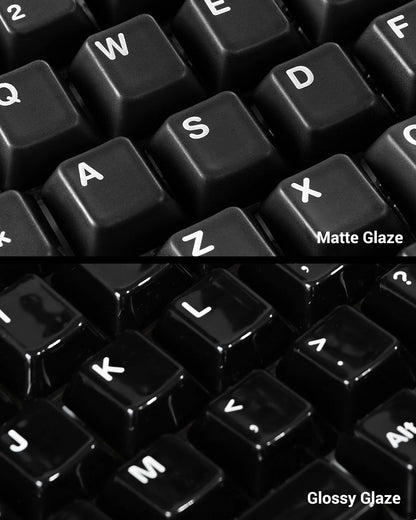
The most defining feature of the Q16 HE 8K is its ceramic construction, encompassing both the keycaps and the case. This choice represents the logical extreme of the ceramic keycap trend popularized by companies like Cerakeys. Unfortunately, the execution fails to justify the material choice beyond pure novelty. According to user experiences, the ceramic components possess a hybrid ceramic-plastic feel that lacks the premium density one might expect. The glaze has a plasticky, spray-on quality rather than the refined finish of fine china, undermining the luxury perception the 'ceramic' branding attempts to convey.
Practically, the ceramic shell introduces several significant drawbacks. The keycaps and case are fingerprint magnets, with smudges appearing prominently and easily—a common issue with glossy materials that's particularly pronounced here. Furthermore, the keycaps are not sufficiently thick, allowing LED backlighting to shine through inconsistently in darker environments. This creates an uneven lighting profile where the bottom halves of keys are illuminated while the tops remain dark, resulting in an aesthetically displeasing effect that contradicts the keyboard's premium positioning.
Acoustic and Tactile Shortcomings
Where the Q16 HE 8K falters most critically is in its fundamental typing experience. The typing sound is described as slightly hollow, with a distinct, rounded top end and pronounced midrange frequencies. This acoustic profile is a far cry from the 'marbly' tone typically associated with and lauded in ceramic keycaps. The case itself is oddly resonant, contributing to an overall sound signature that many find awkward and dull rather than premium.
The spacebar presents the most egregious issue. It exhibits a warbly resonance that is much deeper than other keys, and its release creates an unpleasant, deep 'pop' noise accompanied by a tangible vibration. This vibration is severe enough to resonate through an entire desk and can be felt through the typist's wrists. While a desk mat can lessen this sensation, it doesn't eliminate it, creating a disruptive tactile bump between every word typed—a fundamental flaw in a keyboard's core functionality.
Excellent Internals: The Saving Grace
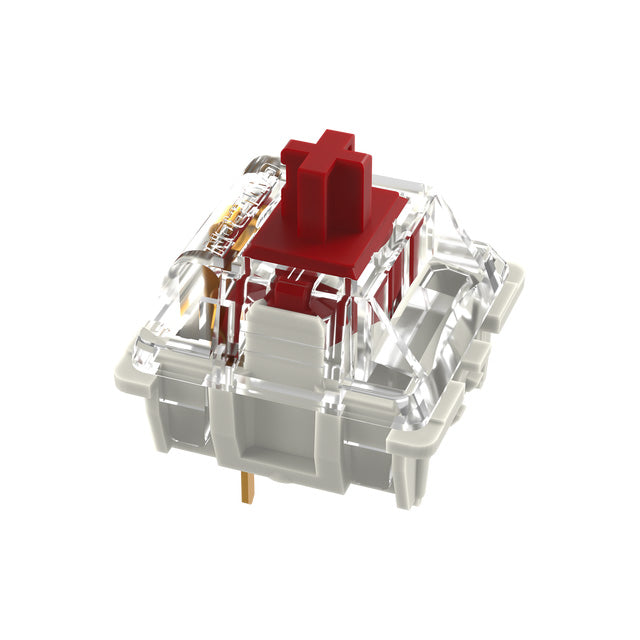
Beneath the problematic ceramic exterior lies hardware that demonstrates Keychron's engineering prowess. The Q16 is one of Keychron's first keyboards to utilize TMR sensors instead of standard Hall effect switches. TMR (tunneling magnetoresistance) technology, while complex—involving quantum tunneling phenomena where subatomic particles pass through barriers—offers tangible benefits including improved accuracy and reduced power consumption compared to Hall effect sensors.
For gaming and performance typing, these switches excel. They are smooth, fast, and responsive, with 8,000-Hz polling enabling near-instantaneous input registration. The accompanying Keychron Launcher software provides extensive customization, allowing users to adjust actuation distance, enable rapid trigger functionality (allowing immediate re-pressing after release), and configure SOCD (simultaneous opposing cardinal direction) settings for gaming. These features provide the level of performance adjustment that enthusiasts demand from premium keyboards.
Thoughtful Internal Construction
Disassembling the Q16 reveals thoughtful internal design choices that contrast with its external flaws. The tray-mount design allows easy access by removing screws beneath the keycaps. Inside, brass posts secure the assembly—a welcome upgrade over the plastic posts common in many keyboards that can wear over time. Small silicone cylinders are strategically placed to reduce vibrations and rattles, though their necessity is highlighted by the spacebar's persistent resonance issues.
A separate daughterboard hosts the USB-C port and the Windows/MacOS switch, cleverly isolating these components from typing vibrations and preventing potential damage during disassembly. The keycaps themselves use a secondary plastic stem glued to the ceramic, a practical solution that prevents the stem-shattering issues that plagued early all-ceramic keycap designs.

The Verdict: Novelty Versus Substance
The Keychron Q16 HE 8K ultimately feels like a product in search of justification. Unlike Keychron's successful trend-focused designs like the K2 HE Special Edition—which complemented the Fractal North PC tower with purposeful mid-century modern styling—the Q16's ceramic construction doesn't deliver meaningful improvements. It doesn't look superior to high-quality plastic, sound better than a well-tuned metal case, or enhance the typing feel in a way that validates its $230-plus price point and conceptual compromises.
The keyboard's existence seems primarily driven by the popularity of ceramic keycaps as a trend rather than a genuine advancement in keyboard design. This is particularly unfortunate because the TMR switch technology represents a legitimate innovation that deserves a better platform. As noted in the review, consumers interested in TMR technology should consider Keychron's gaming-focused sister brand Lemokey or wait for Keychron to release TMR-based keyboards with more conventional, proven materials that allow the technology to shine without distraction.
In the competitive landscape of mechanical keyboards, the Q16 HE 8K serves as a cautionary tale about balancing innovation with practical usability. While pushing technological boundaries is commendable, it must serve the end user's experience. Here, the advanced technology is trapped within a shell that undermines its potential, resulting in a keyboard that is conceptually intriguing but fundamentally flawed in execution.