Das Keyboard DeltaForce 65 Review: Modern Design Marred by Critical Flaws
Das Keyboard's DeltaForce 65 represents a significant departure from the company's traditional approach, embracing modern mechanical keyboard features like gasket-mount assembly, hot-swap sockets, and compact 65% layout. While the physical construction demonstrates impressive attention to detail with robust aluminum casing and thoughtful internal design, the keyboard suffers from critical software and layout issues that undermine the overall user experience. Strange key mapping decisions and incomplete QMK/VIA implementation create frustrating usability problems that prevent this $200 keyboard from competing effectively in the modern mechanical keyboard market.
Das Keyboard has long been known for its traditional mechanical keyboards, but the DeltaForce 65 marks a significant shift toward modern design principles. This $200 mechanical keyboard attempts to bridge the gap between the company's heritage and contemporary user expectations, featuring gasket-mount assembly, hot-swap sockets, and a compact 65% layout. While the physical construction shows impressive attention to detail, several critical software and layout decisions ultimately compromise what could have been a standout product in the competitive mechanical keyboard market.

Physical Construction and Typing Experience
The DeltaForce 65 features a lightweight aluminum case that strikes a balance between durability and portability. Unlike some premium metal cases that emphasize heft, this design prioritizes functionality while maintaining a solid feel that surpasses most plastic alternatives. The internal assembly demonstrates thoughtful engineering, with three separate PCBs connected by ribbon cables to isolate the USB-C port and control knob from the main board's flex during typing.
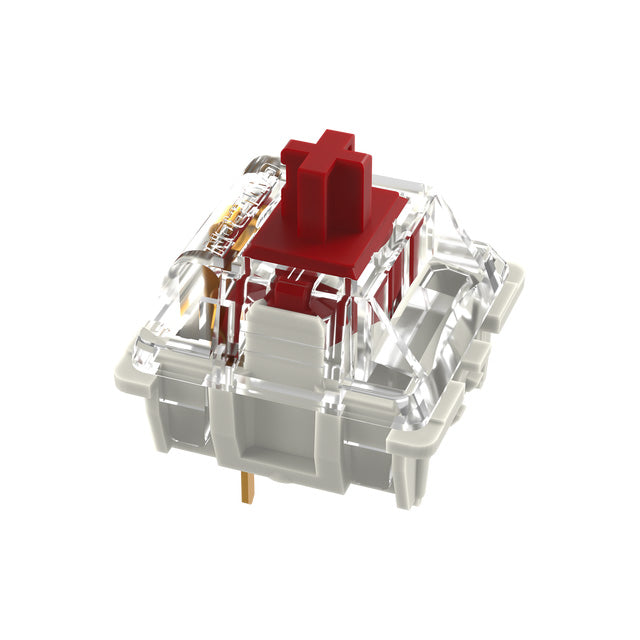
The gasket-mount system provides a comfortable typing experience with noticeable flex, though it lacks the pronounced bounce found in some competing keyboards. Gateron Red switches with 45-gram actuation weight deliver a smooth, lightweight typing feel that's proven reliable over years of use. However, these switches feel somewhat wobbly and produce a thin, plasticky sound that's only partially mitigated by the included sound-dampening foam.
Design Aesthetics and Functional Elements
The keyboard's design includes several thoughtful touches that blend form and function. Shallow grooves along the sides of the case mimic custom keyboard designs while providing practical grip points for lifting the keyboard. The aluminum knob in the top-right corner features a matching motif and delivers satisfying tactile feedback when adjusting volume or other mapped functions.
However, the camouflage-pattern keycaps represent a questionable aesthetic choice. While the printing quality is excellent with crisp, consistent legends, the camouflage design appears tacky and lacks cohesive alignment across keys. The white keycap material does effectively diffuse RGB lighting, creating bright, even illumination across the keyboard surface.
Critical Software and Layout Issues
The DeltaForce 65's most significant problems emerge in its software implementation and layout decisions. While the keyboard supports QMK firmware and VIA customization interface—powerful tools for mechanical keyboard enthusiasts—the implementation falls short of expectations. Users must manually download and upload a .JSON firmware file from Das Keyboard's website rather than enjoying the plug-and-play experience common with competitors like Keychron.
More concerning are the layout issues that fundamentally impact usability. The shift keys exhibit strange behavior, conditionally mapping to both Shift and Function layers depending on context. This creates problems with key combinations like Shift + Backspace, which behaves inconsistently across different applications and browsers. According to testing referenced in the WIRED review, these issues persist across multiple units and cannot be resolved through firmware updates or layout customization.

Competitive Positioning and Value Assessment
At $199, the DeltaForce 65 enters a crowded segment of the mechanical keyboard market. The keyboard's physical construction and modern features position it as a premium option, but the software and layout problems prevent it from justifying its price point. The 1,000 Hz polling rate provides responsive performance for casual gaming, though it falls short of specialized gaming keyboards with higher polling rates and advanced switch technologies.
The compact 65% layout saves valuable desk space and works well for gaming setups, but the missing function keys require frequent use of modifier combinations. While the hot-swap sockets support easy switch customization, the overall user experience is hampered by the fundamental layout issues that cannot be easily resolved.
Conclusion: Missed Opportunity
The Das Keyboard DeltaForce 65 represents both progress and frustration. The company has clearly listened to criticism about outdated designs and has implemented many modern features that mechanical keyboard enthusiasts demand. The physical construction demonstrates competence and attention to detail that could have made this a competitive product.
However, the critical software and layout flaws undermine the entire user experience. Until Das Keyboard addresses these fundamental issues through firmware updates or hardware revisions, the DeltaForce 65 remains difficult to recommend despite its promising physical design. For consumers seeking a reliable mechanical keyboard at this price point, numerous alternatives offer more consistent performance and better software implementation.