The Ultimate Guide to Choosing the Best Electric Scooter for Urban Commuting
Electric scooters have become a popular, eco-friendly solution for urban transportation, offering a convenient alternative to cars and public transit. This guide explores the top electric scooter models tested by experts, including the Apollo Go, Segway Max G3, and Niu KQi 300X. We'll cover essential considerations like tire types, battery management, safety practices, and local regulations to help you make an informed decision. Whether you're looking for a lightweight commuter option or a powerful all-terrain vehicle, understanding these key factors will ensure you select the perfect scooter for your daily needs and riding style.
Electric scooters have transformed urban mobility, offering an efficient, eco-friendly alternative to traditional transportation. As cities become more congested and environmental concerns grow, these compact vehicles provide a practical solution for short-distance travel without the carbon footprint of cars. With hundreds of models available from numerous manufacturers, choosing the right electric scooter requires careful consideration of performance, safety, and practicality. This comprehensive guide draws from extensive testing and expert analysis to help you navigate the electric scooter market and find the perfect model for your urban commuting needs.
Key Considerations Before Buying an Electric Scooter
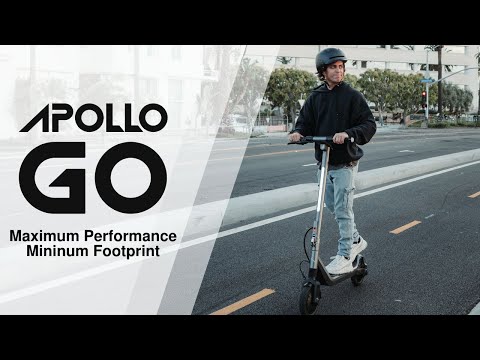
Before investing in an electric scooter, several critical factors deserve your attention. Understanding these elements will help you select a scooter that matches your specific needs and riding conditions. First, consider your typical commute distance and terrain—models vary significantly in range and hill-climbing capability. Second, evaluate storage and portability requirements, as weight and folding mechanisms differ between models. Finally, research local regulations, as many cities have specific rules regarding where and how fast you can ride electric scooters.
Tire Types and Their Impact on Ride Quality
Electric scooters typically feature three main tire types, each with distinct advantages and disadvantages. Solid tires, made from rubber or silicone, require minimal maintenance and never go flat, making them ideal for urban environments with smooth surfaces. However, they offer less shock absorption, resulting in a rougher ride on uneven terrain. Pneumatic (air-filled) tires come in two varieties: tubed and tubeless. Tubed tires, similar to traditional bicycle tires, provide good cushioning but are more susceptible to punctures. Tubeless tires, found on higher-end models, offer the best combination of comfort and durability with better puncture resistance and a smoother ride over bumps.

Battery Management and Range Expectations
Battery performance represents one of the most important considerations for electric scooter owners. Most scooters use lithium-ion batteries that degrade over time, similar to smartphone batteries. The displayed battery meter can be misleading, as voltage drops during uphill climbs and recovers on descents, creating anxiety about remaining range. For accurate range estimation, consider that manufacturer claims are typically based on ideal conditions with lighter riders. Real-world range often falls 30-40% below advertised numbers, especially for heavier riders or those navigating hilly terrain. Always carry your charger when possible, as even brief charging sessions can extend your range significantly.
Top Electric Scooter Recommendations
Based on extensive testing of over 45 models, several electric scooters stand out for their performance, reliability, and value. These recommendations cater to different needs and budgets, from casual riders to serious commuters. Each model has been evaluated for build quality, riding experience, safety features, and practical considerations like weight and folding mechanism.
Best Overall: Apollo Go (2024)
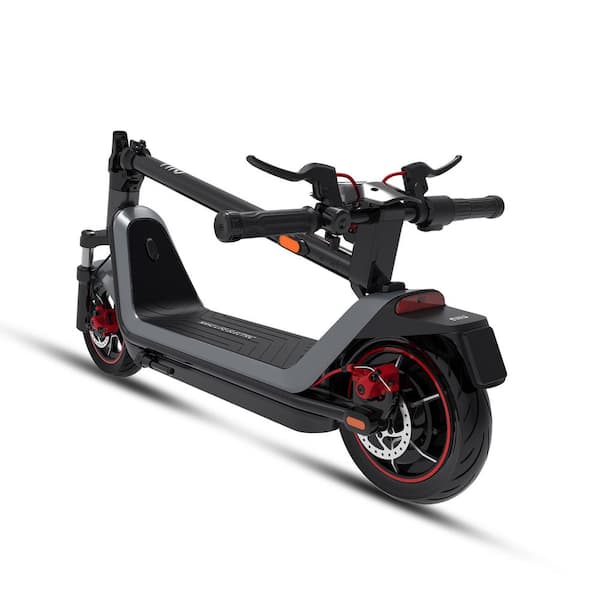
The Apollo Go represents an excellent balance of performance, portability, and features. At 46 pounds, it's manageable for carrying up stairs while offering sufficient power from its dual 350-watt motors. The 9-inch self-healing tubeless tires combined with front and rear suspension provide a comfortable ride even on uneven surfaces. Customizable speed settings via the Apollo app allow riders to adjust performance to their comfort level and local regulations. Additional features include integrated turn signals, excellent LED lighting for visibility, and a bright display readable in direct sunlight. With a tested range of approximately 15 miles, it suits most urban commuting needs.
Best Commuter Scooter: Segway Max G3
For longer commutes, the Segway Max G3 offers superior range and faster charging. Its 3.5-hour recharge time significantly improves convenience compared to models requiring 6-12 hours. The 11-inch self-sealing tires and dual hydraulic suspension create a smooth riding experience, while the 850-watt motor provides ample power for hills and acceleration. The integrated display offers smartphone connectivity for navigation and caller ID, though practical riders may prefer using their phone's mapping applications. With a tested range of approximately 19 miles in its default Drive mode (limited to 16 mph), the Max G3 reliably handles round-trip commutes without range anxiety.
Essential Safety Practices and Local Regulations
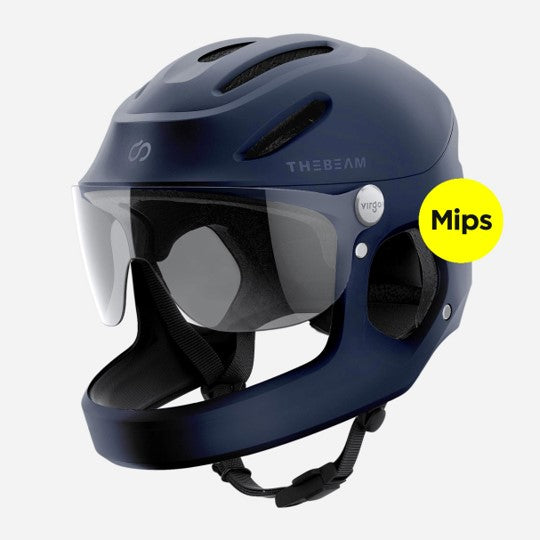
Safety should always be the priority when riding electric scooters. Begin by wearing a properly fitted helmet—full-face models like the Beam Virgo offer superior protection for speeds above 15 mph. Familiarize yourself with local laws regarding electric scooter use, including speed limits, riding locations (bike lanes vs. roads), and age restrictions. Many cities have specific regulations that evolved as electric scooters became more prevalent. Before purchasing, test ride through rental services like Lime or Bird to assess your comfort level with electric scooter operation.
Charging and Storage Best Practices
Proper battery management extends your scooter's lifespan and prevents safety issues. Never charge your electric scooter overnight or when unattended, as battery fires, while rare, can occur. Always ensure the charging port is completely dry before connecting the charger to prevent short circuits. Store your scooter indoors in temperature-controlled environments, as extreme heat or cold damages lithium-ion batteries. When locking your scooter outdoors temporarily, use high-quality bicycle locks and avoid leaving it unattended for extended periods, as electric scooters remain attractive targets for theft.
Riding Techniques and Hazard Awareness
Develop defensive riding habits similar to cycling. Maintain awareness of road conditions, particularly potholes and uneven surfaces that can cause accidents. Avoid riding in wet conditions unless your scooter has appropriate water resistance ratings (look for IP ratings like IPX6). Never exceed the manufacturer's weight limit or carry passengers unless explicitly designed for two riders. Regularly inspect your scooter for loose components, proper tire pressure (for pneumatic tires), and functioning brakes. These practices significantly reduce accident risk and ensure a safer riding experience.
Maintenance and Long-Term Ownership Considerations
Electric scooters require regular maintenance to ensure optimal performance and safety. Unlike bicycles, they contain electrical components that need occasional attention. Check brake pads regularly and replace them when worn. For scooters with pneumatic tires, maintain proper air pressure to prevent flats and ensure efficient riding. Keep the scooter clean, particularly around moving parts and electrical connections. Most manufacturers offer replacement parts, but availability varies by brand—research service options before purchasing.
Battery Replacement and Component Sourcing
Like all lithium-ion batteries, electric scooter batteries degrade over time, typically lasting 2-3 years with regular use. Replacement usually involves removing deck screws, disconnecting the old battery, and installing a new one. The challenge lies in sourcing compatible, safe replacement batteries. Always use manufacturer-recommended or UL-certified batteries to avoid safety hazards. Before purchasing any scooter, verify that the manufacturer offers spare parts and has a reasonable service network. This foresight prevents frustration when components eventually need replacement.
Making Your Final Decision
Choosing the right electric scooter involves balancing multiple factors: intended use, budget, local regulations, and personal preferences. For most urban commuters, models like the Apollo Go or Segway Max G3 offer the best combination of features, performance, and practicality. Consider your specific needs—if portability is paramount, lighter models like the Unagi Model One Voyager (30 pounds) might suit you better despite their limited range. For those with storage space and demanding commutes, powerful models like the Apollo Phantom 2.0 offer exceptional performance at the cost of significant weight (102 pounds).
Electric scooters represent more than just convenient transportation—they're part of a broader shift toward sustainable urban mobility. By reducing reliance on cars for short trips, they decrease traffic congestion and environmental impact. As technology advances, expect continued improvements in battery life, safety features, and riding comfort. Whatever model you choose, prioritize safety through proper gear and responsible riding practices. With careful selection and maintenance, an electric scooter can provide years of efficient, enjoyable urban transportation.