BMW's Neue Klasse iX3: A Technological Leap in the EV Battleground
BMW has unveiled its first vehicle on the revolutionary Neue Klasse EV platform: the iX3. This electric SUV represents the German automaker's largest-ever financial investment, featuring a new 800-volt architecture for ultra-fast charging, a claimed 500-mile WLTP range, and a groundbreaking central computer called the 'heart of joy' designed to deliver unparalleled driving dynamics. While the iX3 boasts impressive technical specifications and a refined ride, its success hinges on whether these advancements are sufficient to compete with increasingly sophisticated and affordable Chinese electric vehicles. This article explores the iX3's key innovations, driving experience, and the significant challenges it faces in a rapidly evolving global market.
BMW's journey into the electric future has reached a pivotal moment with the arrival of the iX3, the inaugural model built on its all-new, ground-up EV architecture dubbed the 'Neue Klasse.' This vehicle is more than just another electric SUV; it represents the single biggest financial investment in BMW's storied history. In an automotive landscape where Western manufacturers are under intense pressure from agile, tech-forward Chinese competitors, the success of the Neue Klasse platform is critical for BMW's future. The iX3 arrives boasting a massive 500-mile WLTP range, thumping 400 kW charging capability, and a sophisticated new driving brain engineered to deliver the 'ultimate ride.' The central question, however, looms large: are these formidable technical achievements enough to secure victory in the global EV arena?

The Neue Klasse Platform: BMW's EV Foundation
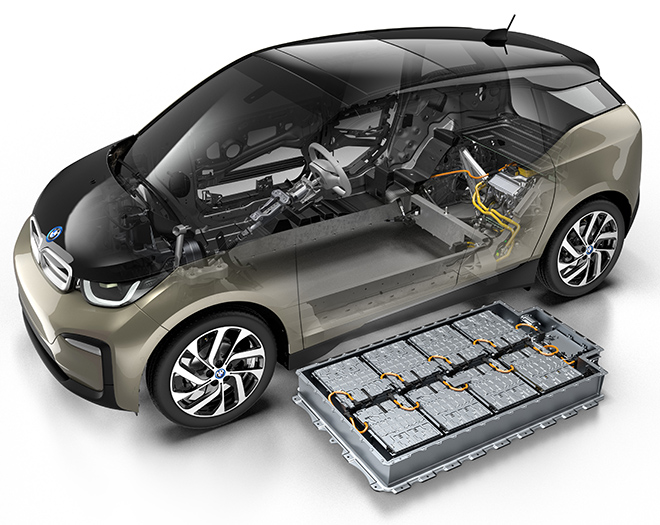
The iX3 is the vanguard for six new models based on BMW's Neue Klasse platform, marking a complete overhaul of the company's electric vehicle technology. This modular foundation introduces sixth-generation eDrive technology, characterized by a new 'cell-to-pack' battery design. These liquid-cooled cylindrical cells utilize a higher nickel, lower cobalt chemistry, achieving a 20 percent increase in energy density compared to previous generations. The platform's lighter 800-volt electrical architecture is a game-changer for charging, supporting speeds up to 400 kilowatts. This enables the iX3 to add approximately 200 miles of range in just 10 minutes under ideal conditions, with BMW claiming an efficiency of 4.1 miles per kWh.
Performance and Vehicle-to-Everything (V2X) Capabilities
Beyond efficiency, the iX3 50 xDrive model delivers substantial performance with 407 horsepower distributed between its front and rear motors, enabling a 0-to-62 mph sprint in under five seconds. Perhaps more indicative of a modern EV's role is its suite of bi-directional charging features. The Neue Klasse architecture supports vehicle-to-load (V2L) for powering appliances, vehicle-to-home (V2H) to supply a house with energy, and vehicle-to-grid (V2G), allowing owners to potentially feed power back to the grid. This transforms the car from a mere mode of transport into a mobile energy storage unit and potential revenue generator.
The 'Heart of Joy': Redefining EV Dynamics
At the core of BMW's driving philosophy for the Neue Klasse is a proprietary central computer controller for driving dynamics, internally nicknamed the 'heart of joy' (HoJ). This system represents a fundamental shift from traditional architectures that use multiple sub-processors for functions like braking and stability control. By consolidating all dynamic management into one central brain, BMW has reduced processing lag from 10-20 milliseconds to just one millisecond.
The HoJ integrates signals from numerous sensors and sends near-instantaneous instructions to the steering and electric motors. The result is predictive and highly nuanced vehicle control. For example, when navigating a corner, the system can preemptively adjust torque distribution between axles, modify steering weight, and apply individual wheel braking to maintain optimal grip and stability. The goal, as experienced by the driver, is to mask the iX3's substantial 2,300 kg weight, delivering a responsive, intuitive, and analog-feeling driving experience that BMW believes has been lacking in many electric vehicles.
On the Road: The iX3 Driving Experience
The technological prowess of the HoJ translates directly to the driving experience. Reviews indicate the iX3 drives 'very cleverly,' feeling agile and composed despite its crossover form factor. The car exhibits minimal understeer, and attentive drivers can perceive the seamless shifting of power and subtle steering adjustments executed by the computer. The integration of regenerative braking is particularly seamless; drivers cannot detect the handover between friction brakes and recuperation. BMW engineers note that applying regen braking to individual wheels even acts as a form of yaw damping, enhancing stability.
A standout feature is the 'Soft Stop' function, which uses precise recuperation management to bring the vehicle to a halt with exceptional smoothness, minimizing pitch and jerk. BMW claims the stop is smoother than in its own ultra-luxury Rolls-Royce Spectre. The iX3 also offers Level 2 hands-free highway driving, with an intuitive lane-change activation system triggered simply by the driver glancing at the side mirrors. Notably, the platform does not support Level 3 (eyes-off) autonomous driving, even as a future upgrade, signaling BMW's strategic bet on the slower adoption of this technology.

Cabin Technology and Design Evolution
The iX3's interior introduces a new design language centered on a driver-focused, angled central touchscreen that controls most functions, including climate settings. While this screen is praised for its responsiveness, some ergonomic critiques note that a driver's hand on the steering wheel can obscure shortcut keys on the display's left edge. The menu system remains complex, a common flaw across the auto industry.
The most significant innovation is the Panoramic iDrive, a thin display that projects information across the entire lower section of the windshield. This head-up-display-on-steroids shows speed, navigation, and other data, allowing drivers to keep their eyes on the road more consistently. Its major limitation is BMW's current restriction on third-party app integration; neither Apple CarPlay nor message notifications can utilize this expansive digital canvas, representing a significant missed opportunity for user convenience. The voice assistant, powered by Alexa, is reported to be unreliable, often misinterpreting commands or activating unintentionally.
The Competitive Landscape and the China Challenge
Initial real-world testing suggests the iX3 delivers a range close to its 400-mile EPA estimate, making it highly competitive against rivals like the Audi Q6 e-tron, Porsche Macan Electric, Tesla Model Y, and the upcoming Volvo EX60. BMW has succeeded in making the iX3 drive like a 'very good BMW,' with dynamics that likely surpass most competitors.
However, the paramount challenge comes from Chinese EV manufacturers. These companies are bringing advanced vehicles to market at lower price points and often with more sophisticated autonomous driving suites than what the brand-new Neue Klasse platform offers. While Chinese EVs may not match the iX3's driving dynamics, they present a formidable threat on price, tech features, and speed of innovation. The success of the iX3, and the five subsequent Neue Klasse models, hinges on whether BMW's core strengths in engineering, brand prestige, and driving pleasure can outweigh these market pressures. A lot is riding on the Neue Klasse's ride.