Read on the Guardian
Geopolitical Tensions Rise as Trump Warns UK Against China Ties Following Starmer's Beijing Visit
US President Donald Trump has issued a stark warning to the United Kingdom, labeling it 'very dangerous' to pursue closer economic ties with China. This warning comes just hours after British Prime Minister Keir Starmer concluded a landmark visit to Beijing, where he secured promises of lower tariffs and improved market access. The diplomatic divergence highlights the complex geopolitical balancing act facing Western allies as they navigate relations with the world's second-largest economy amidst an unpredictable US administration. This article examines the implications of Starmer's reset with China and the potential fallout from Washington's reaction.
The geopolitical landscape is witnessing a significant fault line emerge between two of the world's closest allies. Following British Prime Minister Keir Starmer's high-stakes diplomatic mission to Beijing, US President Donald Trump has publicly cautioned the United Kingdom against deepening its economic relationship with China, calling the move "very dangerous." This public divergence underscores the intricate and often conflicting pressures facing Western nations as they seek to engage with China's massive economy while managing their strategic alliance with the United States, particularly under an administration known for its unilateral trade policies.

The Beijing Reset: Starmer's Diplomatic Mission
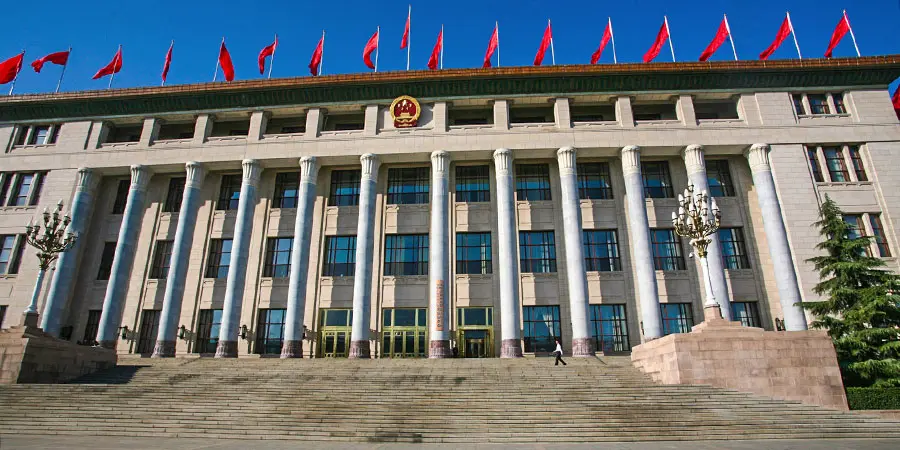
Keir Starmer's visit to Beijing marked the first by a British prime minister in eight years, signaling a deliberate thaw in relations that had grown strained. The three-hour meeting with Chinese President Xi Jinping at the Great Hall of the People was characterized by both sides as productive and engaging. Starmer described the UK-China relationship as being in a "good, strong place" following the talks, which aimed to establish a more "sophisticated" bilateral dynamic.
The core objective of the trip was economic. The UK delegation sought and reportedly secured commitments on several fronts, including lower tariffs for British exports, improved market access for UK businesses, and new investment deals. For the UK, China represents a critical economic partner; combined with Hong Kong, it is the nation's third-largest trading partner. Starmer framed the engagement as essential pragmatism, arguing that the UK cannot "stick its head in the sand" when dealing with the world's second-biggest economy, and that the visit opened significant opportunities for job creation and wealth generation back home.
Washington's Warning: The Trump Response
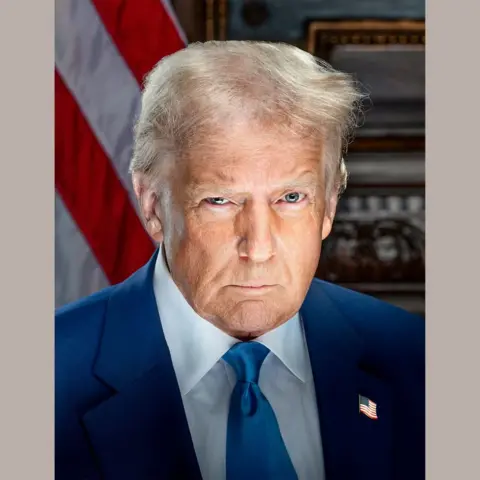
From Washington, the reaction was swift and critical. When asked about Starmer's efforts to reset economic ties with Beijing, President Trump issued a blunt warning: "Well, it's very dangerous for them to do that." He extended this caution further, suggesting it was "even more dangerous" for Canada, which had also recently pursued deals with China. These remarks, reported by The Guardian, introduce a layer of uncertainty and potential tension into the UK-US 'special relationship.'
Trump's comments reflect his administration's long-held skepticism and hostility toward China, often framed in terms of economic competition and national security. His unpredictability on trade policy—evidenced by past threats of tariffs against allies—has created nervousness among traditional partners. The warning to the UK follows a similar pattern seen earlier in the week when Trump threatened Canada with tariffs if it proceeded with economic agreements made during its own prime minister's visit to Beijing.
Navigating the Diplomatic Tightrope
The contrasting positions of London and Washington place the UK in a delicate position. The British government has attempted to downplay the divergence, with one official noting that the US was aware of the trip and its objectives in advance. Trade Minister Chris Bryant directly countered Trump's assessment, stating the US president was "wrong," and pointed out Trump's own claimed friendship with President Xi.
Starmer himself had preemptively addressed this balancing act in an interview before the trip, stating Britain would not have to choose between the US and China. He emphasized the UK's intention to maintain its close security and defence relations with Washington while independently strengthening economic links with Beijing. This 'hedging' strategy is not unique to the UK; several Western leaders have visited Beijing recently, seeking to secure economic benefits while insulating themselves from the potential volatility of US trade policy under Trump.
Implications and the Road Ahead
The immediate implications of this diplomatic spat are multifaceted. For UK businesses, the promise of lower tariffs and better access to the Chinese market is a tangible positive outcome from Starmer's visit. However, Trump's warning casts a shadow, raising the specter of retaliatory US trade measures, similar to those threatened against Canada. The UK's strategy hinges on the hope that its deep-rooted alliance with the US will shield it from such actions, provided it does not directly challenge American interests.
For the broader international order, this episode highlights the growing complexity of global diplomacy. The traditional unity of Western allies in their approach to China is fraying as individual nations pursue their own economic imperatives. The UK's attempt to carve out a pragmatic, economically-driven relationship with Beijing, distinct from the more confrontational US stance, will be a significant test of its post-Brexit foreign policy autonomy. The success of this approach will depend not only on continued engagement with China but also on deftly managing the expectations and reactions of its most powerful ally across the Atlantic.