Read on PBS News
House Republicans Propose Sweeping Election Law Changes with 2027 Implementation
House Republicans have introduced a comprehensive legislative package aimed at overhauling federal election standards. The proposed 'Make Elections Great Again Act' includes key provisions such as mandatory photo ID requirements and proof of citizenship verification for voters, with implementation targeted for 2027. The legislation also seeks immediate bans on universal vote-by-mail and ranked choice voting systems. This analysis examines the proposed changes, their potential impact on future elections, and the political context surrounding this latest effort to reshape American voting laws.
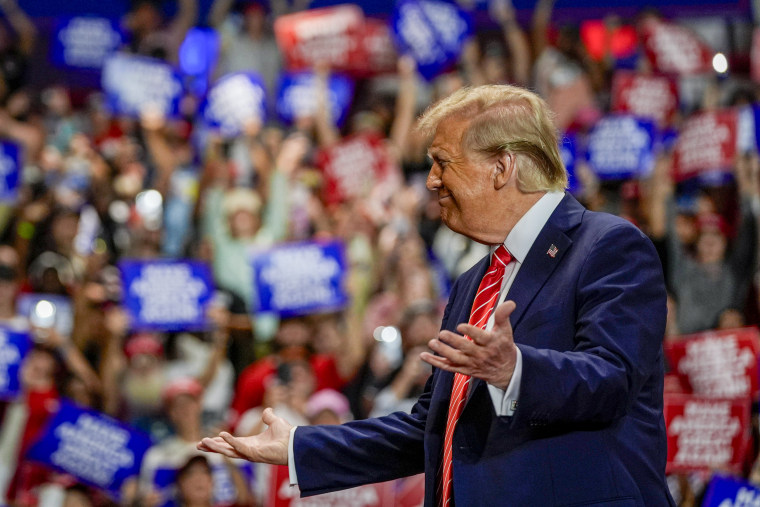
In a significant move to reshape the American electoral landscape, House Republicans have unveiled a sweeping legislative package that proposes fundamental changes to how federal elections are conducted. The "Make Elections Great Again Act," introduced on Thursday, represents one of the most comprehensive attempts to establish national voting standards, with some provisions slated for immediate implementation while others would take effect in 2027. This legislation emerges amid ongoing debates about election integrity and access that have dominated political discourse since the 2020 presidential election.
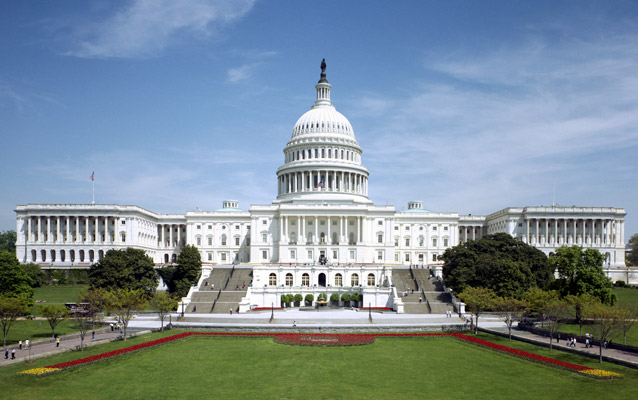
The proposed changes come at a critical juncture in American politics, as the Trump administration turns its attention toward election issues ahead of the midterm elections. With control of Congress at stake in November, this legislation represents a long-standing priority for President Donald Trump, who continues to assert that the 2020 election was rigged. The 120-plus-page bill reflects what Republican leaders describe as "commonsense" reforms to bolster voter confidence and election integrity, though critics argue these measures could create significant barriers to voting access.
Key Provisions and Implementation Timeline
The legislation establishes a tiered implementation schedule, with some requirements taking effect immediately while others would be phased in over several years. According to the Associated Press report, the most significant changes include mandatory photo identification requirements and proof of citizenship verification for voter registration, both scheduled for implementation in 2027. These provisions represent core elements of Republican election reform priorities that have been debated for years in various state legislatures.
More immediately, the legislation would prohibit states from implementing universal vote-by-mail systems and ban ranked choice voting methods. These immediate restrictions target voting methods that have gained popularity in certain states, particularly during the COVID-19 pandemic when many jurisdictions expanded mail-in voting options. The bill also requires states to use "auditable" paper ballots in elections this fall, though most states already employ such systems.
Political Context and Legislative Challenges
The legislation faces substantial obstacles in the narrowly divided Congress, where Democrats have consistently rejected similar proposals as potentially disenfranchising American voters. As reported by the Associated Press, Democratic opposition centers on concerns that onerous registration and ID requirements could disproportionately affect certain voter groups, including married women whose last names may not match their birth certificates or other government documents.
Republican leaders, however, frame the legislation as essential for restoring confidence in American elections. Representative Bryan Steil, chairman of the House Administration Committee, stated that "Americans should be confident their elections are being run with integrity — including commonsense voter ID requirements, clean voter rolls, and citizenship verification." He further asserted that "These reforms will improve voter confidence, bolster election integrity, and make it easy to vote, but hard to cheat."
Enforcement Mechanisms and Federal Oversight
The proposed legislation includes significant enforcement provisions that would tie federal election funding to state compliance. States risk losing federal election funds at various junctures if they fail to meet the new requirements. For example, states would be required to establish agreements with the attorney general's office to share information about potential voter fraud or risk losing federal election funds in 2026.
Additional requirements include more frequent updates to state voting rolls, mandating that states update their registration lists every 30 days starting this year. This provision aims to address Republican concerns about outdated voter registration databases, though voting rights groups have warned that overly aggressive list maintenance could inadvertently purge eligible voters from the rolls.
Historical Context and Previous Efforts
The current legislation builds upon previous Republican efforts to reform election laws at both the state and federal levels. Last year, President Trump issued an executive order that included a citizenship requirement among other election-related changes. House Republicans subsequently approved legislation, the "Safeguard American Voter Eligibility Act," that would have cemented Trump's order into law, though that bill stalled in the Senate.
According to the Associated Press report, lawmakers have recently revived efforts to bring similar legislation forward for consideration, indicating that election reform remains a persistent priority for Republican leaders. The current package represents a more comprehensive approach that combines multiple reform proposals into a single legislative vehicle.
Potential Impacts and Criticisms
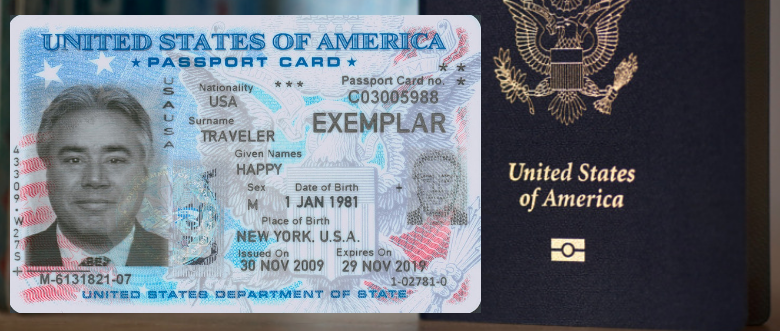
Voting rights organizations have expressed significant concerns about the potential impacts of the proposed changes. The Brennan Center for Justice and other groups estimated in a 2023 report that approximately 9% of U.S. citizens of voting age, or 21.3 million people, do not have proof of their citizenship readily available. The report also noted that almost half of Americans do not possess a U.S. passport, which could complicate efforts to verify citizenship for voting purposes.
Critics argue that the legislation could create substantial barriers for certain demographic groups, including low-income voters, elderly citizens, and naturalized immigrants. They contend that the combined requirements for photo identification and citizenship verification could disproportionately affect these populations, potentially reducing voter participation among groups that already face challenges in accessing the ballot box.
Conclusion: The Future of Election Reform
The introduction of the "Make Elections Great Again Act" represents a significant development in the ongoing national debate over election integrity and access. While the legislation faces considerable political and procedural hurdles in the current Congress, its provisions reflect enduring Republican priorities that are likely to shape election policy discussions for years to come. The phased implementation schedule, with key requirements not taking effect until 2027, suggests a strategic approach to election reform that acknowledges both political realities and practical implementation challenges.
As the 2026 midterm elections approach and the 2028 presidential election cycle begins to take shape, these proposed changes to federal election standards will likely remain at the center of political debates about democracy, representation, and the fundamental mechanics of American elections. The ultimate fate of this legislation will depend not only on immediate political calculations but also on broader shifts in public opinion regarding election security and voting access in the coming years.