Read on Global News
U.S. to Reopen Venezuelan Airspace Following Political Shift, Trump Announces
President Donald Trump announced on Thursday, January 29, 2026, that he has instructed U.S. officials to reopen all commercial airspace over Venezuela, potentially allowing American citizens to travel there 'very shortly.' This move follows a U.S. military raid that ousted former President Nicolás Maduro and represents a significant shift in U.S.-Venezuela relations, which collapsed in 2019. The announcement includes plans for American Airlines to reinstate service, though the State Department's highest-level travel advisory remains in effect, warning of risks including wrongful detention and kidnapping.
In a significant development in U.S. foreign policy, President Donald Trump announced on Thursday, January 29, 2026, a directive to reopen Venezuela's commercial airspace to American travel and commerce. This move marks a pivotal shift following years of strained relations and a recent U.S. military intervention that removed former President Nicolás Maduro from power. The decision signals the Trump administration's intent to normalize relations with the South American nation, though it comes with considerable complexities and outstanding security concerns.
The Presidential Announcement and Directives
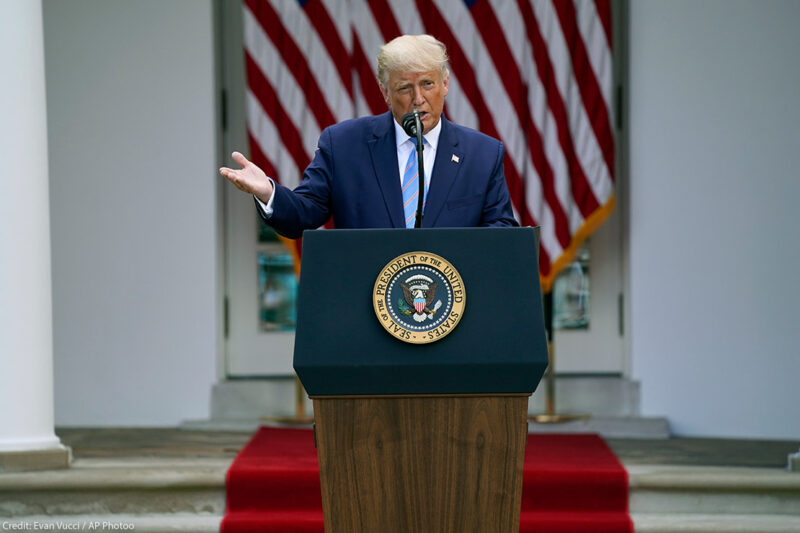
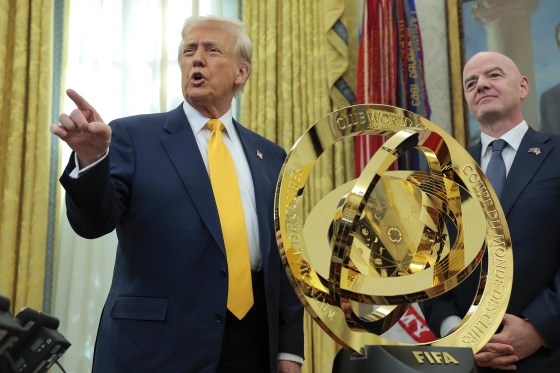
Speaking during a cabinet meeting at the White House, President Trump stated he had informed acting Venezuelan President Delcy Rodríguez of the impending change. "I instructed U.S. Transportation Secretary Sean Duffy and U.S. military leaders to open up the airspace by the end of the day," Trump declared. He emphasized the anticipated benefits for American citizens, asserting, "American citizens will be very shortly able to go to Venezuela, and they'll be safe there." The Venezuelan government did not provide an immediate public response to this unilateral announcement from Washington.
Context: The Collapse and Potential Restoration of Relations
This airspace reopening is part of a broader, phased approach by the U.S. administration to restore diplomatic ties. Relations between the United States and Venezuela catastrophically broke down in 2019. The U.S. subsequently shuttered its embassy in Caracas and issued its highest-level travel advisory, warning Americans against any travel to the country due to severe risks. The recent shift follows a U.S. military raid that ousted Maduro, an action that has dramatically altered the political landscape.
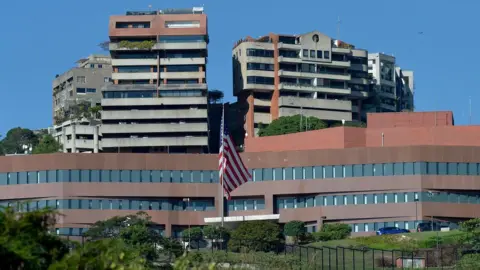
Earlier in the same week, the State Department notified Congress of its intent to potentially resume operations at Embassy Caracas. In letters to congressional committees, the department outlined a plan to send a growing contingent of temporary staff to conduct select diplomatic functions, as reported by The Associated Press. This represents the first concrete step toward re-establishing a formal diplomatic presence since the closure.
Contradictory Signals: Travel Advisories and Airline Plans
A critical contradiction exists between the presidential announcement and current U.S. government guidance. As of Thursday, the State Department's travel advisory for Venezuela remained at Level 4: "Do Not Travel." The advisory explicitly warns of "a high risk of wrongful detention, torture, kidnapping and more." The department did not immediately clarify whether this warning would be amended following Trump's directive, creating uncertainty for potential travelers.
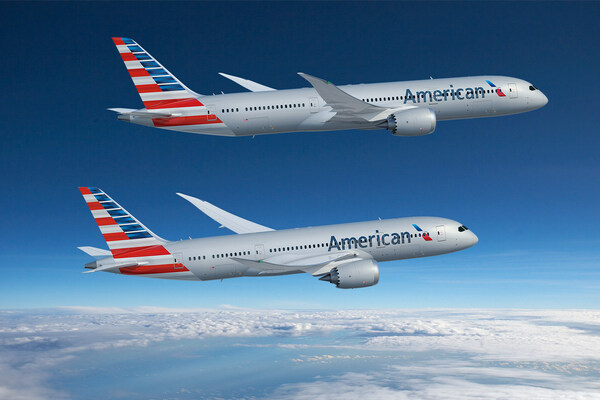
Despite this, commercial aviation is preparing to move. American Airlines, which was the last U.S. carrier serving Venezuela when it suspended flights in March 2019, announced its intention to reinstate nonstop service. "We have a more than 30-year history connecting Venezolanos to the U.S., and we are ready to renew that incredible relationship," said Nat Pieper, American's chief commercial officer. The airline stated it would work with federal authorities on security assessments and share details in the coming months.
Reversing Previous Restrictions
The order to reopen the airspace reverses a restriction Trump himself imposed in November, during the period of escalating pressure on Maduro. At that time, he declared the airspace "above and surrounding" Venezuela "closed in its entirety." The Federal Aviation Administration (FAA) subsequently issued a warning to pilots about heightened military activity, leading international airlines to cancel flights to the country. The new directive aims to dismantle these barriers, ostensibly reflecting the changed security situation post-Maduro.
Analysis and Implications
The reopening of Venezuelan airspace is a bold geopolitical maneuver with multifaceted implications. Primarily, it serves as a tangible symbol of the administration's confidence in the new political order in Caracas following Maduro's removal. It aims to facilitate the reunification of families separated by the travel ban, renew business and commercial links, and support the administration's narrative of a successful intervention.
However, significant challenges persist. The stark discrepancy between the presidential promise of safety and the State Department's grave travel warnings must be resolved to ensure informed and secure travel. The logistical and security assessments for airlines and embassy staff will be complex. Furthermore, the long-term stability of the political situation in Venezuela remains uncertain, which could impact the sustainability of reopened travel routes.
In conclusion, President Trump's announcement to reopen Venezuelan airspace is a definitive step toward normalizing a fractured bilateral relationship. It underscores a strategic pivot from isolation and pressure to engagement and connectivity. Yet, its successful implementation hinges on reconciling security realities with diplomatic ambitions, ensuring that the safety of American citizens is not compromised in the pursuit of political and economic renewal. The coming months will reveal whether this open sky policy leads to a stable new chapter or encounters the turbulence of Venezuela's enduring complexities.