Intel's Panther Lake: A Much-Needed Win Against Apple Silicon
Intel's Core Ultra Series 3 processors, codenamed Panther Lake, represent a significant turnaround for the chipmaker. After years of incremental updates, these new chips deliver substantial performance gains, particularly in multi-core processing and integrated graphics. In head-to-head testing against Apple's M5 and M4 chips, Intel has reclaimed a competitive edge, marking a crucial victory in the ongoing battle for laptop processor supremacy.
For years, Intel's laptop processor updates have been characterized by modest, incremental improvements. The landscape shifted dramatically with the arrival of Panther Lake, officially known as the Intel Core Ultra Series 3. This chip design, a cornerstone of Intel's ambitious turnaround strategy announced nearly five years ago, represents more than just another product cycle. After extensive testing of laptops powered by these new processors, it's clear that Intel has finally scored a much-needed competitive win, particularly when pitted against the dominant force of Apple Silicon.
The Performance Breakthrough
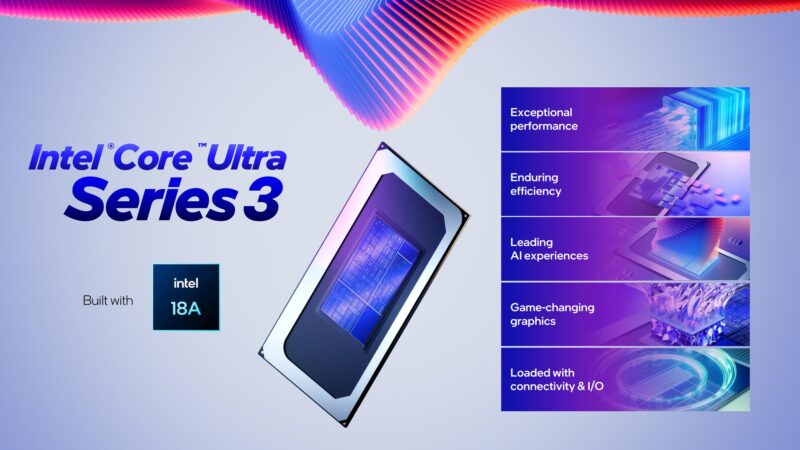
Intel set ambitious goals for the Core Ultra Series 3: to deliver equivalent battery life and efficiency to its predecessor (Lunar Lake) while significantly boosting performance. Testing reveals the company has largely succeeded. The chips, built on the new Intel 18A process node manufactured in Arizona, show marked improvements. In multi-core performance benchmarks, the high-end Core Ultra X9 388H outperforms Apple's latest M5 chip by a substantial 33 percent, a feat that seemed improbable just a year ago.
This performance leap is even more pronounced in integrated graphics. Intel's B390 GPU architecture delivers a generational improvement, taking a clear lead in this category. While single-core performance still trails Apple's offerings, the multi-core and graphical advantages signal a meaningful shift in the competitive balance. As noted in testing, these chips feel like "a big win for a company that really needs one right now," reversing a trend of stagnation.
Real-World Implications
The performance gains translate to tangible benefits for users. The enhanced integrated graphics enable respectable gaming performance on thin-and-light laptops not specifically marketed for gaming. Titles like Cyberpunk 2077 can achieve playable frame rates at medium settings without upscaling—a notable achievement for this class of device. This capability, combined with Intel's XeSS upscaling and frame generation technologies, opens new possibilities for general-purpose laptops.
Beyond gaming, the improved graphics accelerate video editing and local AI inferencing tasks without requiring bulkier, more expensive discrete graphics solutions. While the neural processing unit (NPU) offers 50 TOPS for AI workloads, it's the GPU performance that stands out as potentially transformative for what mainstream laptops can accomplish, challenging the MacBook Pro's dominance in creative workflows.
Strategic Significance
Panther Lake's success carries weight beyond benchmark scores. The chips represent Intel's return to manufacturing its own cutting-edge processors on the Intel 18A node, reversing the previous generation's partial reliance on TSMC. This shift back to in-house advanced manufacturing, supported by significant CHIPS Act funding and government investment, symbolizes a restoration of technical capability and competitive confidence.
The timing is crucial. With former CEO Pat Gelsinger's architectural vision coming to fruition (though he has since departed), and against the backdrop of Nvidia's dominance in cloud AI, Intel needed to demonstrate relevance in the consumer computing space. The strong adoption of Core Ultra Series 3 chips by laptop manufacturers at CES indicates the industry recognizes this competitive resurgence, ensuring Intel remains the primary choice for Windows laptops.

Conclusion: A Turning Point
Intel's Panther Lake processors mark a definitive turning point. After years of playing catch-up, the Core Ultra Series 3 delivers meaningful advantages in key performance areas while maintaining competitive efficiency. The multi-core and graphics performance leads over Apple's M5, combined with the strategic return to advanced in-house manufacturing, restore credibility to Intel's roadmap. While challenges remain—particularly in single-core performance and the evolving AI hardware landscape—Panther Lake represents Intel's most significant success in years, offering both consumers and the industry renewed confidence in the company's future direction.