Nanit Home Display Review: A Dedicated Tablet for the Smart Baby Monitor Ecosystem
The Nanit Home Display introduces a dedicated tablet to the smart baby monitor ecosystem, aiming to free parents from their phones. This review explores its core functionality, including the clear 8-inch touchscreen, responsive live feed, and helpful environmental monitoring. We examine the trade-offs, such as occasional touchscreen sluggishness, limited battery life, and the complex subscription model that gates advanced features like video history. For existing Nanit users or those seeking a centralized parent unit, the Home Display offers convenience, but its value depends on whether its quirks are worth overlooking for your family's needs.
The evolution of baby monitors has come full circle. From the simple walkie-talkie units of the past to the smartphone-dependent smart monitors of recent years, the quest for the perfect parent unit continues. Nanit, a leader in the smart nursery space, has introduced the Nanit Home Display—a dedicated, tablet-like screen designed to work with its camera system. This device promises to deliver the data-rich experience Nanit is known for while freeing parents from constantly draining their phone batteries. But with a price tag and some noted quirks, is it a worthwhile addition to the modern parent's toolkit?

Hardware and Setup: First Impressions
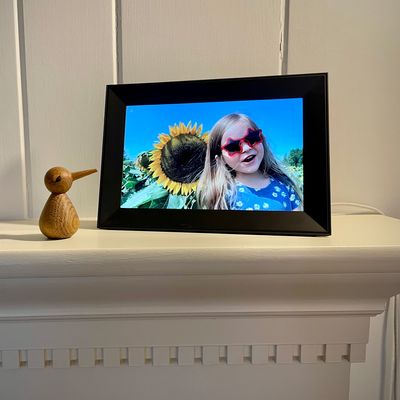
Unboxing the Nanit system reveals its distinctive design. The floor-stand camera is notably tall and slender, which may raise concerns about stability with an active toddler. Fortunately, the package includes a wall anchor for securing the stand, a recommended step for safety. The centerpiece is the 8-inch Home Display touchscreen, which resembles a modern digital photo frame. Initial setup is straightforward, though the touchscreen interface can feel slightly underpowered. Users may experience minor sluggishness, reminiscent of older mobile devices, and occasional glitches during data entry, such as with date selectors. These are not deal-breakers but are noticeable in daily use.
Core Performance: Video, Audio, and Battery
Where the Nanit Home Display shines is in its core monitoring functions. The video feed is clear and responsive, with minimal lag—a critical factor when distinguishing between sleep noises and genuine cries. In night vision mode, the clarity is sufficient to see a child's eyes, which is a key benchmark for many parents. The audio is equally impressive, delivering crisp sound through the built-in speaker, provided the device is propped up on its kickstand; laying it flat muffles the audio significantly.

The device operates on Wi-Fi and includes a rechargeable battery, offering flexibility to move around the home. However, battery life is a limitation. When used off the charger, the display typically needs a recharge before a full day is complete, often depleting by bedtime if left on since a morning nap. This necessitates mindful power management or keeping it plugged in as a semi-permanent bedside fixture.
The User Experience and Ecosystem Integration
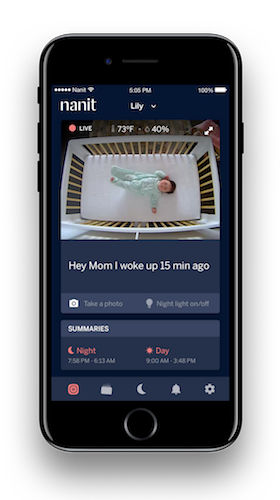
The Home Display's interface is intuitive, mirroring the familiar Nanit smartphone app. The home screen presents widgets showing the live feed, the child's status (like "last attended to"), sleep summaries, and room temperature and humidity readings—a helpful feature for managing nursery conditions. The screen is exceptionally bright, even at its lowest setting, which can be disruptive in a dark room. Using standby mode (screen off, audio on) is essential for nighttime use.
Nanit has designed the Home Display to integrate seamlessly into its existing ecosystem. It can be purchased as a standalone unit for $149, which is a significant advantage for current Nanit camera owners who want a dedicated parent screen without replacing their hardware. The bundle with a camera costs $399. A notable strength for multi-child families is the split-screen feature, allowing live feeds from up to three cameras to be displayed simultaneously.
The Subscription Consideration
A critical aspect of the Nanit ecosystem is its subscription model, which complicates the value proposition. While basic live streaming, two-way audio, and environmental monitoring are included, many advanced features reside behind a paywall. These include sleep analytics, personalized insights, and crucially, video playback history. The absence of on-device video history is a notable gap, especially for moments like tracking the onset of an illness during the night. Nanit offers tiered plans (Sleep, Memories, Milestones) ranging from $99 to $300 annually per child, locking features that other monitors might offer via local storage.
Verdict: Convenience with Compromises
The Nanit Home Display successfully addresses a genuine pain point: phone battery drain and the inconvenience of unlocking a phone for a quick check. It provides a clear, always-available window into the nursery with useful ambient data. Its seamless integration with existing Nanit cameras is a major plus for brand-loyal users.
However, its value is tempered by its shortcomings: the occasionally sluggish touchscreen, less-than-ideal battery life, and a bright display that requires manual management. Most significantly, the requirement for a paid subscription to access fundamental features like video history may give many parents pause. The decision ultimately hinges on priority. If having a dedicated, high-quality parent unit that centralizes monitoring is worth the premium price and acceptance of these quirks—and potentially an ongoing subscription—the Nanit Home Display is a compelling option. For others, the existing smartphone app or monitors with more inclusive feature sets may represent better value.