Read on PBS News
U.S.-Ukraine Security Agreement Finalized, Awaits Signing After Trilateral Talks
Ukrainian President Volodymyr Zelenskyy announced that a U.S. security guarantees document for Ukraine is '100% ready' for signature following two days of high-level talks in Abu Dhabi involving Ukraine, the United States, and Russia. The agreement, which will require ratification by both the U.S. Congress and the Ukrainian parliament, represents a significant step in international efforts to support Ukraine amidst the ongoing conflict. Zelenskyy emphasized the importance of Ukraine's territorial integrity and its push for EU membership by 2027 as complementary security guarantees.
In a significant development for international security and the ongoing conflict in Eastern Europe, Ukrainian President Volodymyr Zelenskyy announced on Sunday that a long-awaited U.S. security guarantees document for Ukraine has reached completion. Speaking to journalists in Vilnius, Lithuania, Zelenskyy stated the agreement is "100% ready" following intensive diplomatic negotiations. This announcement marks a potential turning point in the international response to Russia's nearly four-year full-scale invasion of Ukraine, signaling strengthened Western commitment to Ukrainian sovereignty.

The Abu Dhabi Negotiations
The breakthrough came after two days of talks in Abu Dhabi, the capital of the United Arab Emirates, which concluded on Saturday. According to Zelenskyy, these discussions represented a notable diplomatic format—the first trilateral talks "in quite a long while" to include not only diplomats but also military representatives from all three key parties: Ukraine, the United States, and Russia. This inclusion of military officials suggests the talks addressed substantive security and operational matters beyond general diplomatic principles. The negotiations covered a broad spectrum of military and economic issues, reflecting the comprehensive nature of the proposed security framework.
Key Provisions and Next Steps
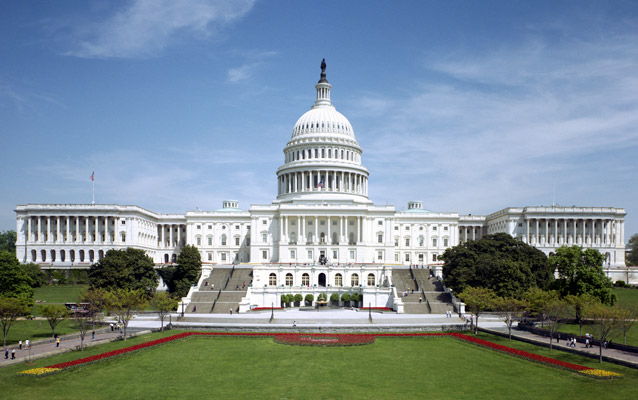
With the document finalized, the process now moves to the implementation phase. Zelenskyy indicated that Ukraine is awaiting its partners to set a formal signing date. Once signed, the agreement will proceed through the necessary ratification processes in both nations. Specifically, it must be approved by the U.S. Congress and the Ukrainian parliament (Verkhovna Rada) to take full effect. This bilateral ratification underscores the agreement's significance as a binding international commitment rather than a temporary political understanding. The content of the agreement, while not fully detailed publicly, is understood to encompass guarantees aimed at bolstering Ukraine's long-term security and defense capabilities against future aggression.
Territorial Integrity and Sticking Points
A fundamental principle reiterated by President Zelenskyy is Ukraine's unwavering stance on territorial integrity. He explicitly stated, "Our position regarding our territory—Ukraine's territorial integrity—must be respected." This reaffirms that any security agreement or broader peace settlement is contingent on the recognition of Ukraine's sovereignty within its internationally recognized borders. This position stands in direct contrast to Russian demands, as articulated by the Kremlin, which insists that Kyiv must withdraw its troops from the eastern regions that Russia has illegally annexed as a precondition for peace. Zelenskyy acknowledged these "fundamental differences" as a major obstacle, indicating that while the U.S. is seeking a compromise, "all sides must be ready for compromise."
The Broader Security Context: EU Membership
Alongside the bilateral U.S. agreement, Zelenskyy highlighted Ukraine's strategic push for European Union membership by 2027, describing it as an "economic security guarantee." This dual-track approach—securing immediate military guarantees from the U.S. while pursuing long-term economic and political integration with Europe—forms the cornerstone of Ukraine's post-war security strategy. EU membership would provide Ukraine with deeper economic ties, structural funds, and the political solidarity of the bloc, creating a more stable and prosperous foundation that is less vulnerable to external coercion.
Ongoing Diplomatic Process
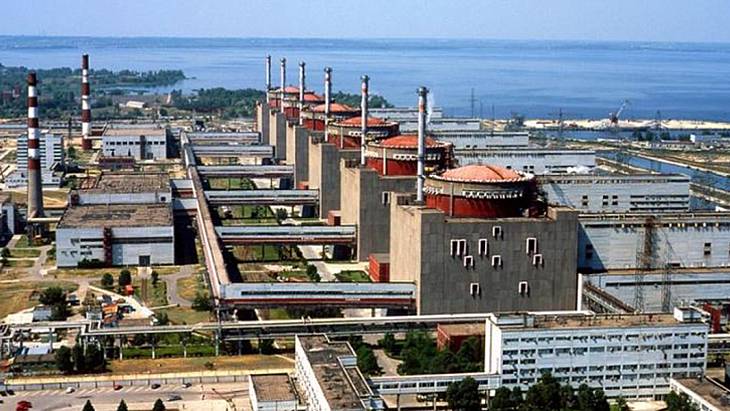
The diplomatic efforts are far from over. Negotiators are scheduled to return to the United Arab Emirates on February 1 for the next round of talks, according to a U.S. official. These continued discussions will address remaining complex issues, including the potential for a ceasefire prior to a final deal and the critical, unresolved matter of oversight and operation of the Zaporizhzhia Nuclear Power Plant. The plant, Europe's largest nuclear facility, remains occupied by Russian forces, posing a continuous safety and security risk that must be addressed within any comprehensive settlement.
Conclusion
The completion of the U.S.-Ukraine security agreement text represents a pivotal moment in international diplomacy concerning the war in Ukraine. While the path to ratification and implementation remains, and significant disagreements with Russia persist, the finalized document provides a concrete framework for enhanced U.S. support. It strengthens Ukraine's negotiating position and offers a measure of assurance for its future security. The world will now watch closely as the involved parties move toward a signing ceremony and the subsequent legislative approvals, steps that will formally cement this crucial element of Ukraine's defense strategy for years to come.