Uganda's Museveni Secures Seventh Term Amid Opposition Claims of Fraud
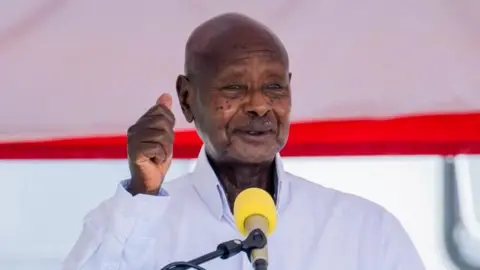
Uganda's President Yoweri Museveni has been re-elected to a seventh term, extending his four-decade rule with nearly 72% of the vote according to official results. The election outcome has been met with immediate rejection by main opposition candidate Bobi Wine, who labeled the results as 'fake' and called for non-violent street protests. This development marks a critical moment for Ugandan politics, raising questions about democratic processes and political stability in the East African nation.
Uganda's political landscape has entered a new chapter as President Yoweri Museveni secures a seventh term in office, according to official election results announced on January 17, 2026. The veteran leader, who has governed the East African nation for over four decades, reportedly won nearly 72% of the vote, extending his rule that began in 1986. This electoral outcome represents a significant milestone in Uganda's political history, but it has been immediately contested by opposition forces who question the legitimacy of the process.
Official Results and Opposition Response
The official election results, as reported by Uganda's electoral commission, show President Museveni maintaining a commanding lead with approximately 72% of the vote. This substantial margin would represent one of his strongest electoral performances in recent years, solidifying his position as Africa's third-longest serving head of state. The results come after an election process that international observers had been monitoring closely, given Uganda's history of contested elections and political tensions.
Main opposition candidate Robert Kyagulanyi, popularly known as Bobi Wine, has categorically rejected the official results, labeling them as 'fake' in his initial response. The former musician turned politician, who leads the National Unity Platform party, has called for non-violent street protests to challenge what he describes as an illegitimate electoral outcome. This immediate rejection sets the stage for potential political confrontation in the coming days and weeks.

Historical Context and Political Significance
President Museveni's potential seventh term extends a political career that began with his rise to power in 1986 following a five-year guerrilla war. Initially hailed as a reformer who brought stability to a nation recovering from years of conflict, his prolonged rule has increasingly drawn criticism from opposition groups and international observers concerned about democratic backsliding. The 2026 election represents a critical test for Uganda's political institutions and their ability to manage peaceful transitions of power.
The election outcome carries significant implications for Uganda's domestic politics and its international relationships. As one of East Africa's most strategically important nations, Uganda plays a crucial role in regional security and economic integration efforts. The manner in which the current political situation unfolds will likely influence foreign investment decisions, development partnerships, and diplomatic relations with key allies including the United States, European Union, and neighboring African nations.
Regional and International Implications
Uganda's election results come at a time when several African nations are grappling with questions of political succession and democratic consolidation. The response from regional bodies like the African Union and the East African Community will be closely watched, as will reactions from major international partners who have previously expressed concerns about political freedoms and human rights in Uganda. The country's role in regional security initiatives, particularly in Somalia and the Democratic Republic of Congo, adds another layer of complexity to the international dimension of this political development.
The coming weeks will be crucial in determining whether Uganda experiences political stability or enters a period of increased tension. The government's response to opposition protests, the international community's reaction to the electoral process, and the ability of political actors to engage in dialogue will all shape the nation's immediate political future. As Uganda navigates this critical juncture, the broader implications for democratic governance in Africa remain a subject of significant regional and global interest.