Federal Immigration Crackdown Under Fire After Second Fatal Shooting in Minneapolis
The Trump administration faces mounting political and public pressure following the fatal shooting of a demonstrator by Border Patrol agents in Minneapolis. This marks the second such death in the city in less than three weeks, intensifying calls from Minnesota's governor for the removal of federal agents and for an independent investigation. Contradictions between official accounts and video evidence have fueled widespread protests and accusations of an 'occupation,' raising critical questions about jurisdiction, use of force, and the future of the immigration enforcement operation.
The Trump administration's immigration enforcement operation in Minneapolis has entered a crisis phase following the fatal shooting of a demonstrator by federal agents, the second such incident in the city within weeks. This event has triggered a powerful backlash from state leadership, local residents, and lawmakers, placing intense scrutiny on the tactics and justification of the federal presence. The growing chasm between official narratives and publicly available evidence has transformed a law enforcement action into a major political flashpoint, testing the administration's strategy and raising fundamental questions about accountability.

Escalating State-Federal Conflict
The immediate political fallout was stark. Minnesota's Democratic Governor, Tim Walz, directly challenged President Trump in a public briefing, demanding the withdrawal of what he called "untrained" federal immigration agents from the state. "What's the plan, Donald Trump?" Walz asked, encapsulating the state's frustration and lack of coordination with federal operations. This confrontation highlights a deepening rift between state and federal authorities, with local leaders asserting that the presence of armed agents is escalating rather than resolving tensions.
The administration's response, defended by senior officials including Homeland Security Secretary Kristi Noem and Border Patrol commander Gregory Bovino, insisted the agents were victims and that the demonstrator, Alex Pretti, intended to harm them. This official line, claiming Pretti was an "assassin," was met with immediate and widespread outrage, described by Democratic strategist Arshad Hasan as turning a low-crime city into an "occupation." The community's feeling of being "under siege" underscores the profound social impact of the federal crackdown.
Contradictions Between Video and Official Narrative
Central to the controversy is the stark disconnect between the Trump administration's account and video evidence from the scene. While officials claimed Pretti posed a lethal threat, videos verified by U.S. media and widely shared on social media tell a different story. The footage shows Pretti holding a phone, not a gun, as he intervenes after seeing federal agents push women to the ground. After being pepper-sprayed, he is forced to the ground by multiple agents.
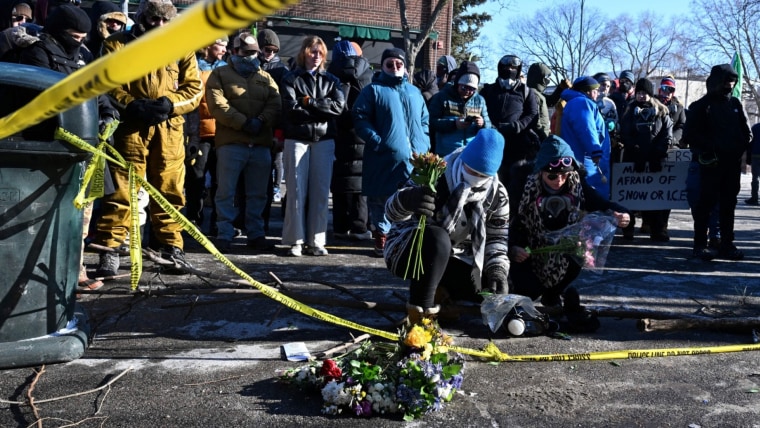
Critically, the video appears to show an agent removing a pistol from Pretti and stepping away before other agents fire approximately ten shots into him. This sequence has led experts like Darius Reeves, former head of ICE's Baltimore field office, to question the agents' communication and use-of-force protocol. "It's clear no one is communicating... based on my observation of how that team responded," Reeves told Reuters, noting the agents' confused reaction after the shooting as indicative of a breakdown in coordination.
Calls for Investigation and Mounting Protests
The shooting has galvanized public dissent and unified calls for transparency. Approximately 1,000 people braved bitter cold to protest in Minneapolis, demanding the removal of immigration agents. Politically, the call for a thorough, independent investigation has gained bipartisan traction. U.S. Deputy Attorney General Todd Blanche acknowledged the need for a probe, stating on NBC's Meet the Press that no one yet knows the full circumstances of the shooting.
Notably, several Republican senators have joined Democrats in calling for a full federal and state investigation. Senator Bill Cassidy of Louisiana stated, "There must be a full joint federal and state investigation," signaling that the administration may face pressure from within its own party. This bipartisan concern focuses on the need to reconcile the official story with the visual evidence and to establish clear jurisdictional boundaries between federal and local law enforcement.
Underlying Tensions and Political Rhetoric
The operation in Minneapolis was initiated following conservative media reports of alleged fraud by Somali immigrants, claims repeatedly amplified by President Trump. In a post on Truth Social after the shooting, Trump framed the issue as a "Criminal COVER UP of the massive Financial Fraud," injecting racially tinged rhetoric into the crisis. Minnesota Attorney General Keith Ellison forcefully rejected this framing, arguing, "It's not about fraud, because if he sent people who understand forensic accounting, we'd be having a different conversation. But he's sending armed masked men."
This exchange reveals the deeper political and social fissures the crackdown has exposed. The city, home to one of the nation's largest Somali immigrant communities, finds itself at the center of a national debate over immigration enforcement, racial profiling, and the appropriate use of federal power. The grief and anger expressed by Pretti's family, who condemned the administration's "sickening lies," reflect the profound human cost of this confrontation.
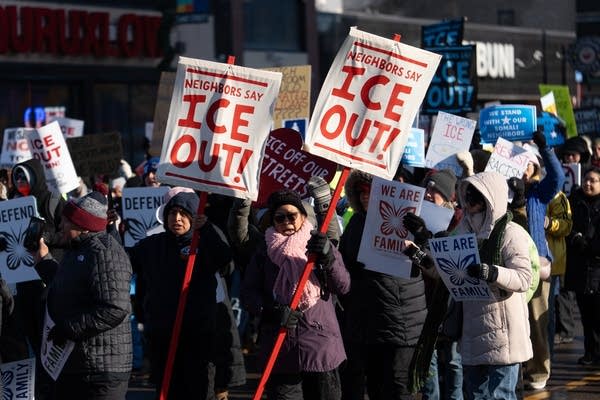
Conclusion: A Reckoning for Enforcement Strategy
The killing of Alex Pretti has become a catalyst for a broader reckoning. It has intensified scrutiny of the Trump administration's immigration crackdown, challenging its methods, transparency, and very presence in communities like Minneapolis. The conflicting narratives, the viral video evidence, the bipartisan call for investigations, and the sustained local protests have created a perfect storm of pressure. The administration now faces critical decisions: whether to recalibrate its approach, cooperate fully with independent probes, or double down on a strategy that is increasingly viewed as confrontational and opaque. The outcome will significantly impact not only the situation in Minneapolis but also the national discourse on immigration enforcement and federal authority.