Read on the Guardian
Ethical Controversy Halts US-Funded Hepatitis B Vaccine Study in Guinea-Bissau
A controversial US-funded hepatitis B vaccine study in Guinea-Bissau has been suspended amid conflicting claims from American and African health officials. The study, led by Danish researchers, proposed withholding vaccines from 7,000 newborns to study health effects, raising serious ethical concerns. Guinea-Bissau's health minister confirmed the suspension, citing inadequate scientific review and ethical oversight, while US officials initially insisted the trial would proceed. The controversy highlights critical questions about research sovereignty, ethical standards in global health studies, and power imbalances between wealthy nations and developing countries.
A major international health research project has become embroiled in controversy, exposing deep divisions between American and African health authorities over ethical standards and research sovereignty. The US-funded hepatitis B vaccine study in Guinea-Bissau, one of the world's poorest nations, has been suspended following conflicting statements from officials on different continents. This development raises fundamental questions about how medical research is conducted in developing countries and who ultimately decides what studies proceed.

The core disagreement centers on whether the study has been cancelled or merely paused. US Department of Health and Human Services (HHS) officials initially insisted the trial would "proceed as planned," while African health leaders, including Guinea-Bissau's recently appointed Health Minister Quinhin Nantote, confirmed the study had been "cancelled or suspended" due to inadequate scientific review. This conflicting narrative highlights the complex power dynamics at play in international health research.
The Controversial Study Design
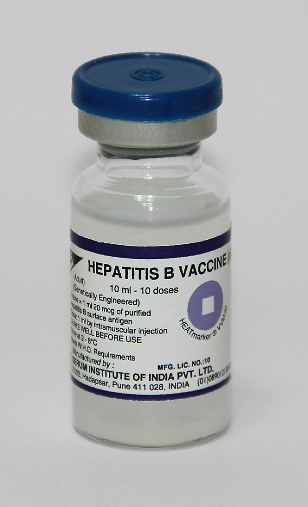
The proposed research, led by Danish researchers with US funding, would have involved 14,000 infants in Guinea-Bissau. The study design called for giving hepatitis B vaccines to 7,000 infants at birth while withholding the vaccines from another 7,000 infants until six weeks of age. Researchers aimed to study the overall health effects of administering the vaccine alongside other routine immunizations.
This approach immediately raised ethical red flags among global health experts. The World Health Organization recommends giving the hepatitis B vaccine to all newborns within 24 hours of birth to prevent transmission from infected mothers. In Guinea-Bissau, where nearly one in five adults and about 11% of young children have hepatitis B, delaying vaccination puts infants at significant risk of severe illness and death.
Ethical Concerns and Sovereignty Issues
The suspension decision represents a significant assertion of national sovereignty by Guinea-Bissau's health authorities. Minister Nantote emphasized that the science behind the study was not adequately reviewed, and ethical concerns about withholding standard care from vulnerable populations had not been properly addressed. The country's ethics committee, Comité Nacional de Ética em Pesquisa em Saúde (CNEPS), had initially approved an earlier version of the study but reportedly did not review subsequent changes to the protocol.
Jean Kaseya, director-general of the Africa Centres for Disease Control and Prevention, underscored the sovereignty issue during a press meeting, stating, "It's the sovereignty of the country. I don't know what will be this decision, but I will support the decision that the minister will make." This position reflects growing assertiveness among African health authorities in determining what research occurs within their borders.
Conflicting Narratives and Diplomatic Tensions
The controversy escalated when HHS spokesperson Andrew Nixon dismissed the Africa CDC's announcement, calling the organization "a powerless, fake organization attempting to manufacture credibility" and accusing it of waging "a public-relations campaign aimed to shape public perception rather than engaging with the scientific facts." These unusually harsh statements created diplomatic tensions and raised questions about the US agency's respect for African health institutions.
Kaseya responded by noting he had spoken with senior HHS officials who were unaware of the statement, highlighting communication breakdowns within the US health bureaucracy. The Africa CDC plays a crucial role in responding to outbreaks with global implications, making the characterization particularly damaging to international health cooperation.

Broader Implications for Global Health Research
This controversy occurs against the backdrop of Guinea-Bissau's challenging health landscape. Less than a quarter of the population has access to basic services like water and sanitation, poverty and food insecurity are persistent, maternal mortality is high, and malaria remains a leading cause of death. These conditions make ethical research practices even more critical.
Global health experts emphasize that research in developing countries must prioritize local needs and ethical standards. As Abdulhammad Babatunde, a medical doctor and global health researcher in Nigeria, noted, "It's very important to fund research that Africans actually want. Africans want to solve Africa's problems, not satisfy the curiosity of the funders."
The confusion surrounding this study's approval process reveals systemic issues in how international research is conducted. The Danish researchers did not appear to seek approval from ethics boards in Denmark or the US, despite the Helsinki declaration requiring approval from research ethics committees in both sponsoring and host countries.
Path Forward and Lessons Learned
As the situation develops, a team of research experts from the Africa CDC will travel to Guinea-Bissau to help officials review the study. Officials from Denmark and the US have also been invited to participate in this review process. The outcome will set important precedents for how future research collaborations are structured and approved.
Gavin Yamey, professor of global health at the Duke Global Health Institute, emphasized that "the most important voice" in deciding the study's future should be Guinea-Bissau's ministry of health, which is responsible for protecting the health of all Bissau-Guineans. This principle of local ownership and decision-making authority represents a shift in global health ethics.
The controversy serves as a reminder that ethical research requires more than technical compliance with protocols—it demands genuine partnership, respect for local sovereignty, and prioritization of participant welfare over research objectives. As African nations increasingly assert their right to determine what research occurs within their borders, international researchers and funders must adapt their approaches to ensure truly collaborative and ethical partnerships.