Read on the Guardian
Cyclone Harry's Devastating Toll: Hundreds Feared Dead in Mediterranean Migrant Shipwrecks
A tragic week in the central Mediterranean has seen up to 380 people feared drowned as Cyclone Harry created deadly conditions for migrant crossings. Maltese authorities confirmed a single shipwreck claimed 50 lives, with just one survivor. This incident highlights the ongoing, extreme dangers of the world's most perilous migration route, where over 25,600 deaths have been recorded since 2014, despite increased enforcement measures by European governments.
The central Mediterranean route, long documented as one of the world's most dangerous migration paths, witnessed a catastrophic escalation of its inherent perils last week. As Cyclone Harry lashed the coasts of southern Italy and Malta with massive waves, desperate journeys undertaken in search of safety ended in profound tragedy. Italian and Maltese authorities are grappling with the aftermath, estimating that hundreds of lives were lost in a series of shipwrecks, underscoring the lethal convergence of severe weather, geopolitical policies, and human desperation.

The Scale of the Tragedy
According to statements from the Italian coastguard, up to 380 individuals may have drowned in the Mediterranean during the past week as they attempted crossings from North Africa. This grim estimate emerged alongside confirmation from Maltese authorities of a specific shipwreck on Friday that resulted in the deaths of 50 people. The sole survivor of this vessel, who was hospitalized in Malta, reported clinging to wreckage for 24 hours before rescue by a merchant ship. He stated that the boat had departed from Tunisia on January 20, and he believed everyone else aboard had perished, as relayed by the distress hotline organization Alarm Phone.
Context and Causes of the Disaster
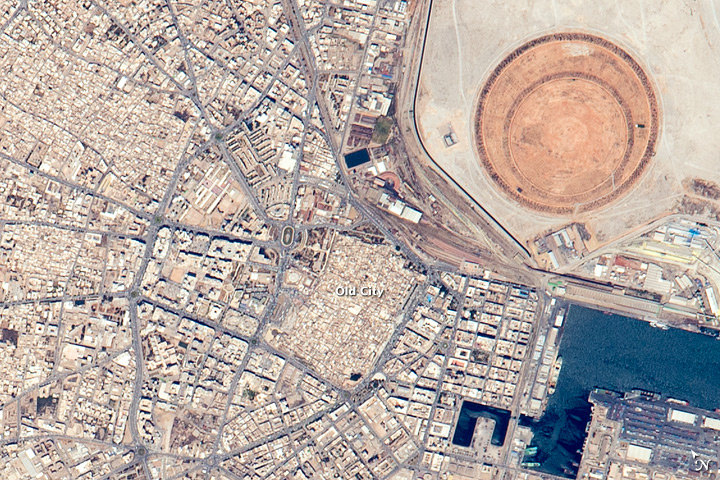
This disaster occurred within a complex and fraught context. The Italian coastguard has been searching for eight vessels known to have been launched by smugglers from the Tunisian port city of Sfax over a ten-day period, despite authorities being aware of the treacherous conditions created by Cyclone Harry. The decision by smugglers to operate in such weather and by migrants to embark highlights the extreme levels of risk people are willing to accept. In a separate incident reported by UNICEF's Italy unit, one-year-old twin girls from Guinea are presumed dead after the boat they were on was battered by the cyclone off Lampedusa.
The Broader Mediterranean Migration Landscape
These latest tragedies add to a staggering historical toll. The UN's International Organization for Migration (IOM) has registered at least 25,600 deaths and disappearances on the central Mediterranean route since 2014, with most linked to departures from Tunisia or Libya. Despite this enduring danger, arrivals in Italy have fluctuated based on policy and enforcement. Italian interior ministry figures show 66,296 arrivals by boat in 2025, a slight decrease from the previous year but roughly half the number recorded in 2023. This drop coincides with the Italian government's reinforcement of deals with North African nations like Libya and Tunisia to intercept and return migrants, a key policy of the current administration.
Policy Impacts on Search and Rescue
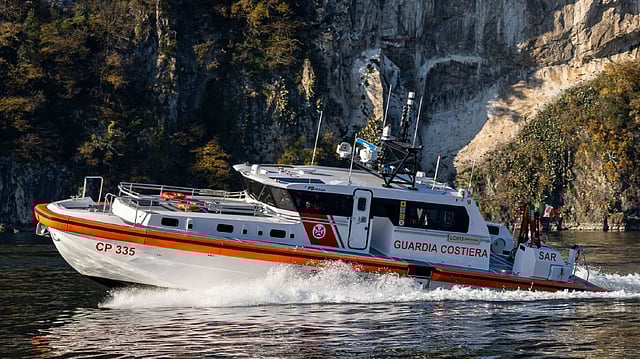
The response capacity in the Mediterranean has been significantly shaped by political decisions. A crackdown by the Italian government has led to fewer NGO rescue ships operating in the area. Measures include imposing fines and mandating that rescued individuals be disembarked at distant ports, far from closer options like those in Sicily. These regulations are designed to deter migration but also complicate and potentially delay life-saving interventions. The recent disasters during Cyclone Harry starkly illustrate that such policies do not eliminate the attempts to cross but may instead increase the vulnerability of those who undertake the journey.
Conclusion: An Enduring Humanitarian Crisis
The loss of hundreds of lives during Cyclone Harry is a horrific reminder that the central Mediterranean remains a deadly frontier in the global migration crisis. The combination of smuggling networks that operate without regard for safety, severe weather events possibly intensified by climate change, and restrictive European policies that limit rescue capabilities creates a perfect storm of risk. As long as the root causes of migration—conflict, poverty, and instability—persist in regions of Africa and the Middle East, individuals will continue to embark on these desperate voyages. The week's events call for a renewed examination of approaches that prioritize both border management and the fundamental humanitarian imperative to prevent loss of life at sea, recognizing that the two are not mutually exclusive but are critically intertwined.