Read on bbc.com
Museveni Secures Seventh Term Amidst Election Controversy in Uganda
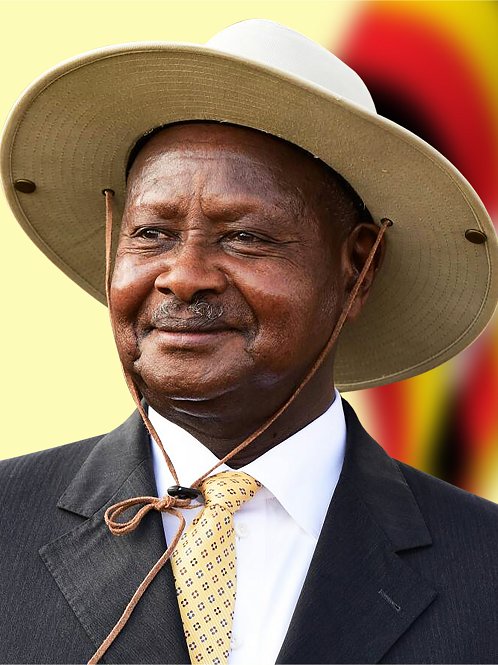
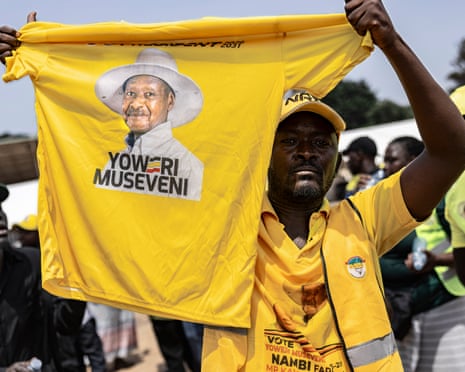
Ugandan President Yoweri Museveni has been declared the winner of the country's latest election, extending his rule to over four decades. The electoral commission announced Museveni secured 72% of the vote, while his main challenger, former pop star Bobi Wine, received 25% and immediately denounced the results as "fake." The election was marked by an internet shutdown, reports of violence, and allegations of voter intimidation. International observers have raised concerns about the electoral process, even as Museveni's victory is officially certified.
Uganda's political landscape has been reshaped by the recent election results, with long-serving President Yoweri Museveni securing a seventh term in office. The announcement by the electoral commission confirms another five years of leadership for the 81-year-old president, who first came to power in 1986 as a rebel leader. This victory extends his rule beyond four decades, making him one of Africa's longest-serving leaders. The election outcome has sparked significant controversy, with opposition leader Bobi Wine rejecting the results and calling for peaceful protests.

Official Results and Opposition Rejection
The Ugandan Electoral Commission, chaired by Simon Byabakama, announced that Museveni received 72% of the vote in Thursday's election. His closest challenger, Bobi Wine (whose real name is Robert Kyagulanyi), garnered 25% of the vote. Six other candidates collectively received less than 3% of the total votes cast. The voter turnout was reported at 52.5%, indicating significant participation despite the challenging circumstances surrounding the election.
Bobi Wine immediately condemned the results, calling them "fake" and alleging widespread ballot stuffing. In a statement, he declared, "What we are witnessing is a complete sham. The results being announced have no resemblance to what happened at polling stations." However, the opposition leader has not provided detailed evidence to support his claims, and African Union election observers stated they saw "no evidence of ballot stuffing" during their monitoring of the process.
Election Environment and Security Concerns
The election period was marked by significant security measures and restrictions that have drawn international criticism. Most notably, the Ugandan government implemented a nationwide internet shutdown beginning Tuesday before the election, which continued through the voting and result announcement period. Authorities justified this action as necessary to prevent misinformation, fraud, and the incitement of violence.
This move has been condemned by multiple international bodies, including the United Nations human rights office, which described the internet blackout as "deeply worrying." Former Nigerian President Goodluck Jonathan, leading the African Union observer mission, specifically called on the government to "refrain from the suspension of internet access" around election time. The shutdown made it difficult for both citizens and international observers to verify information and communicate about election developments.

Violence and Human Rights Concerns
Reports of violence and intimidation have marred the electoral process. Bobi Wine claims that at least 21 people have been killed around the country in recent days, though authorities have only confirmed seven deaths. The opposition leader also reported that his movements have been restricted, with security personnel attempting to enter his home on Thursday night. Police spokesman Kituuma Rusoke explained that Wine's home was considered an area of "security interest" and that access to "security hotspots" needed to be controlled.
The African Union observer mission noted "reports of intimidation, arrest and abductions" that "instilled fear and eroded public trust in the electoral process." During the campaign period, security forces were repeatedly accused of assaulting and detaining Wine's supporters, though police dismissed these complaints by accusing opposition supporters of being disruptive themselves.
Political Context and Future Implications
This election represents a significant moment in Uganda's political history. Museveni, who once criticized African leaders who cling to power, is now seeking and winning a seventh term. His campaign emphasized his role as the sole guarantor of stability in a country with a history of conflict, while Bobi Wine positioned himself as representing Uganda's youth in a nation where most of the population is under 30 years old.
The opposition leader promised to tackle corruption and implement sweeping reforms, contrasting sharply with Museveni's emphasis on continuity and stability. With the results officially declared, the focus now shifts to how both sides will navigate the post-election period. Byabakama has called for unity and acceptance of the results, while Wine has called for non-violent protests against what he considers an illegitimate outcome.
International observers will continue to monitor the situation, particularly regarding the restoration of internet access and the treatment of opposition figures. The election's aftermath will test Uganda's democratic institutions and determine whether the country can move forward without significant social unrest or political violence.