Read on the Guardian
Museveni's Seventh Term Victory Marred by Allegations of Repression and Electoral Irregularities
Uganda's President Yoweri Museveni has secured a seventh term in office with a reported 72% of the vote, but the electoral process faces severe criticism from international observers and human rights groups. The election was characterized by an internet blackout, repression of opposition figures, and allegations of violence. Opposition leader Bobi Wine, who garnered 25% of the vote, is in hiding after denouncing the results as stolen. This article examines the circumstances of the election, the government's actions, and the broader implications for democracy in Uganda.
Uganda's recent presidential election, resulting in Yoweri Museveni's extension of his 38-year rule, has ignited a firestorm of international criticism and domestic tension. While official results declare a decisive victory for the 81-year-old incumbent, the legitimacy of the poll is under intense scrutiny. Observers point to a systematic campaign of opposition repression, a nationwide internet shutdown, and allegations of violence as fundamental flaws undermining the democratic process. This analysis delves into the contested election results, the government's crackdown, and the precarious situation facing Uganda's political opposition.
Contested Results and a Landslide Victory
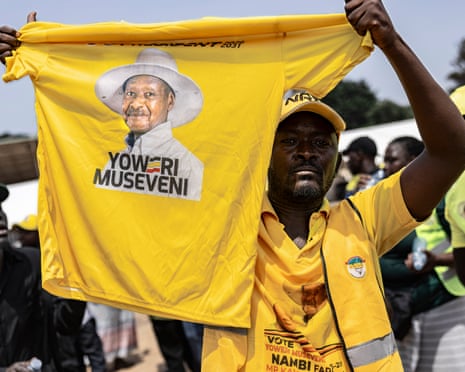
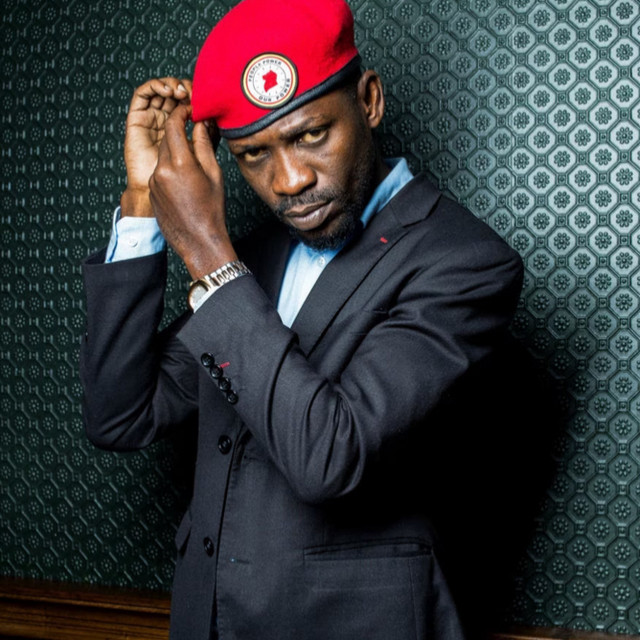
The Electoral Commission announced that President Yoweri Museveni won a seventh term with approximately 72% of the vote, a margin his administration frames as a popular mandate. His main challenger, pop star-turned-politician Bobi Wine (Robert Kyagulanyi), leader of the National Unity Platform (NUP), was credited with about 25%. However, Wine and his supporters have vehemently rejected the outcome. In a statement before going silent, Wine denounced what he called the "blatant theft of the presidential election". The credibility of these results is questioned not just by the opposition but by independent African election observer missions.
Repression and the "Terrorist" Label
In his victory speech, President Museveni escalated rhetoric against his political opponents, labeling them "terrorists." He accused the NUP of planning to attack polling stations and of collaborating with "some foreigners and some homosexual groups." This inflammatory language follows a pre-election period marked by what Human Rights Watch described as "brutal repression." Key opposition figures have faced intimidation, arrest, and abduction. Notably, former presidential candidate Kizza Besigye was abducted from Kenya in 2024 and faces an ongoing treason trial in Uganda. The government's strategy appears designed to dismantle organized opposition well before voters reach the ballot box.
The Internet Blackout and Information Control
A critical tool in the government's control of the electoral environment was a near-total internet blackout imposed two days before the vote. Authorities justified the shutdown as necessary to prevent "misinformation" and "incitement to violence." While some connectivity was restored after polling, access to major social media platforms remained blocked indefinitely. This move severely hampered the opposition's ability to communicate, organize, and report incidents, while also limiting independent media and observer oversight. An internet blackout during an election is widely condemned by democratic norms as it stifles transparency and civic engagement.
Violence and the Security Apparatus
The election period was not without violence. Reports emerged from the Butambala area where an opposition MP claimed security forces killed at least 10 people at his home. Museveni offered a counter-narrative, stating the deaths resulted from a foiled opposition attack on a vote-tallying center. Small-scale protests in Kampala were met with teargas. The significant security presence across the country, though reduced after results were announced, underscored the state's readiness to use force to maintain order. Analysts note that Museveni's firm control over the military and police ensures his political dominance, making any electoral challenge an uphill battle against the state itself.
International and Regional Observer Criticism
The election's credibility was further damaged by critical reports from observer missions. A team from the African Union noted that "reports of intimidation, arrest and abductions" had "instilled fear and eroded public trust in the electoral process." This external validation of the opposition's claims places Uganda at odds with regional democratic standards. The government's actions stand in stark contrast to Museveni's stated goal of preventing the kind of violent unrest seen in neighboring Tanzania during its recent polls, suggesting stability is being enforced through repression rather than fair political contest.

Conclusion: The Future of Ugandan Politics
Yoweri Museveni's seventh-term victory consolidates his long-standing rule but does so at the cost of further eroding Uganda's democratic institutions. The combination of internet censorship, the repression of dissent, and the use of state security forces for political ends creates a climate where genuine electoral competition is impossible. The immediate whereabouts and safety of Bobi Wine remain uncertain, symbolizing the peril faced by the opposition. For Uganda to move toward a more inclusive and stable political future, there must be a commitment to upholding civil liberties, ensuring transparent electoral processes, and allowing for peaceful political transition. Without these fundamental reforms, the deep divisions exposed by this election are likely to persist.