Syrian Government Captures Strategic Tabqah, Announces Ceasefire with SDF
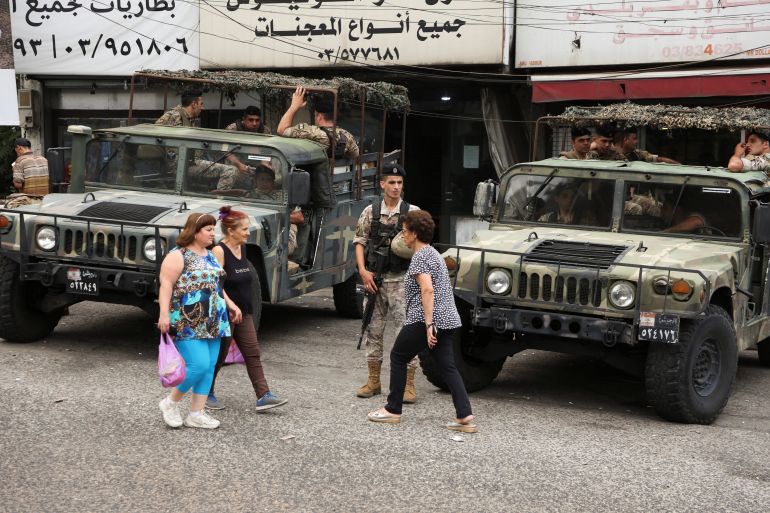
The Syrian military has captured the strategic town of Tabqah from the Kurdish-led Syrian Democratic Forces (SDF) as part of a rapid offensive. This development coincides with a major ceasefire agreement announced between the Syrian government and the SDF, brokered with significant US involvement. The deal outlines the full integration of SDF-held territories and fighters into Syrian state institutions, marking a pivotal shift in the country's long-running conflict and potentially reshaping the balance of power in northeastern Syria.
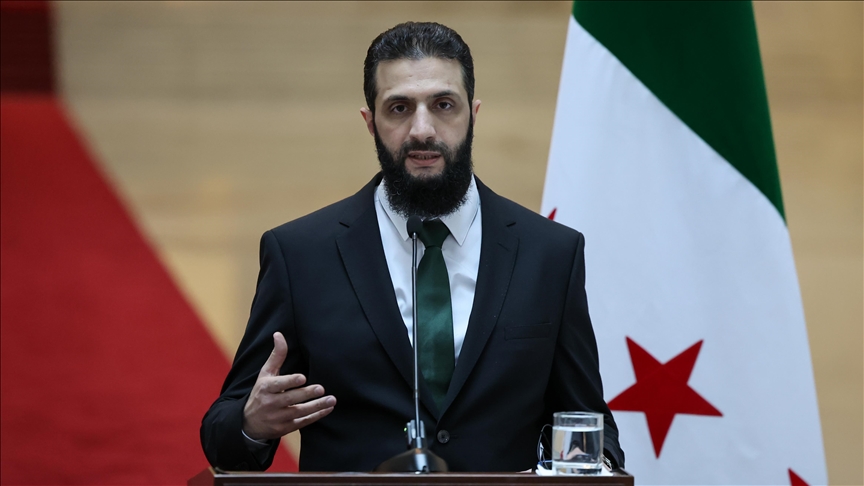
The Syrian Arab Army has announced a significant military and political breakthrough, capturing the strategic town of Tabqah from the Kurdish-led Syrian Democratic Forces (SDF) during a swift offensive. This territorial gain comes alongside a landmark ceasefire agreement between the government of President Ahmed al-Sharaa and the SDF, signaling a potential turning point in Syria's complex, multi-sided conflict. The deal, facilitated by US diplomacy, aims to reintegrate large swathes of northeastern Syria under Damascus's control and formally end hostilities between the two forces.
The Ceasefire Agreement and Its Terms
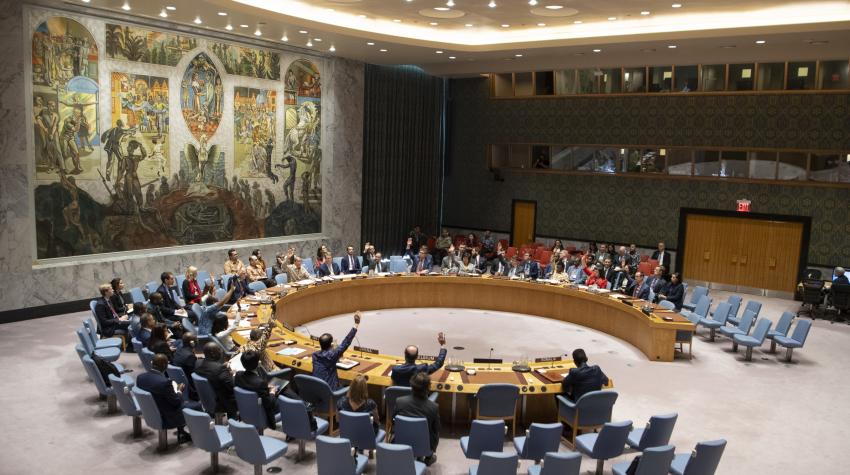
The ceasefire, announced on January 18, 2026, represents a comprehensive political settlement. According to the terms shared by the Syrian presidency and reported by Al Jazeera, the SDF has agreed to an immediate and complete administrative and military handover of Deir Az Zor and Raqqa governorates to the Syrian government. In return, Damascus has pledged not to target SDF personnel and to integrate all SDF military and security members individually into the Syrian Ministries of Defence and Interior following security vetting.
Key Political Concessions
The agreement includes several critical political components. A presidential decree will name a candidate as governor of Hasakah, and the state commits to continuing the fight against ISIL (ISIS) as part of the international coalition, in coordination with the United States. Furthermore, the deal welcomes a presidential decree providing for the recognition of Kurdish cultural and linguistic rights and addressing issues like stateless persons and property claims.
Strategic Implications and Regional Reactions
The capture of Tabqah and the ceasefire are viewed as a major victory for Damascus and its ally, Turkiye. Analyst Omer Ozkizilcik noted that while Turkiye is relieved with the outcome, there is frustration as the deal is "essentially the same deal offered to the SDF a year ago." He stated that significant indirect Turkish support, including military logistics and intelligence, was provided to the Syrian Army over the past year, helping expand government influence among Arab tribes in the northeast.
US Role and Kurdish Perceptions
The United States played a key role as broker, with US Special Envoy Tom Barrack meeting with President al-Sharaa. In a statement, Barrack commended the "two great Syrian leaders" for their efforts and affirmed the US view of Kurds as "an integral part of Syria." However, this US involvement has led to concerns among Kurds that Washington is favoring its relationship with Damascus, with the agreement seen as heavily tilted in the government's favor.
The Path to Reconciliation and Ongoing Challenges
While the agreement marks a strategic consolidation for the Syrian state, deep challenges to reconciliation remain. Researcher Kamaran Palani highlighted the "deep mistrust" among Kurds towards Damascus, stemming from recent violent clashes and Turkiye's indirect involvement. He argued that trust can only be rebuilt if President al-Sharaa offers meaningful guarantees of autonomy and demonstrates independence from external pressures.
The Syrian government's lightning offensive over the preceding ten days, which also saw it take full control of Aleppo city and province, demonstrated the SDF's rapidly diminishing leverage. Analyst Gamal Mansour suggested the SDF realized "the jig is up," facing discontent from Arab tribes under its rule and a lack of strong political backing despite its military capabilities. The outcome points toward a unified Syria that formally recognizes Kurdish minority rights, even if genuine reconciliation remains a distant goal.

Conclusion
The capture of Tabqah and the ensuing ceasefire agreement represent a decisive moment in the Syrian conflict. By securing the reintegration of the northeast, the al-Sharaa government has achieved a long-sought strategic objective, significantly strengthening its position. The success of this deal now hinges on its implementation, the government's ability to address Kurdish rights and grievances, and the management of complex regional relationships, particularly with Turkiye and the United States. For a population weary after 14 years of war, this agreement offers a fragile hope for a more stable, if not yet fully reconciled, Syria.