Hamas Signals Acceptance of Trump's Gaza Proposal as Rubio Warns Conflict Not Over
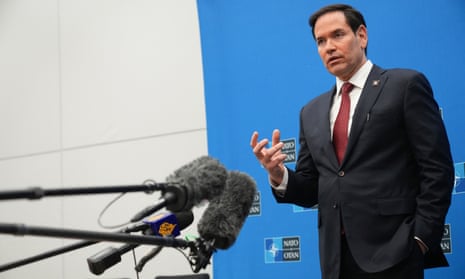
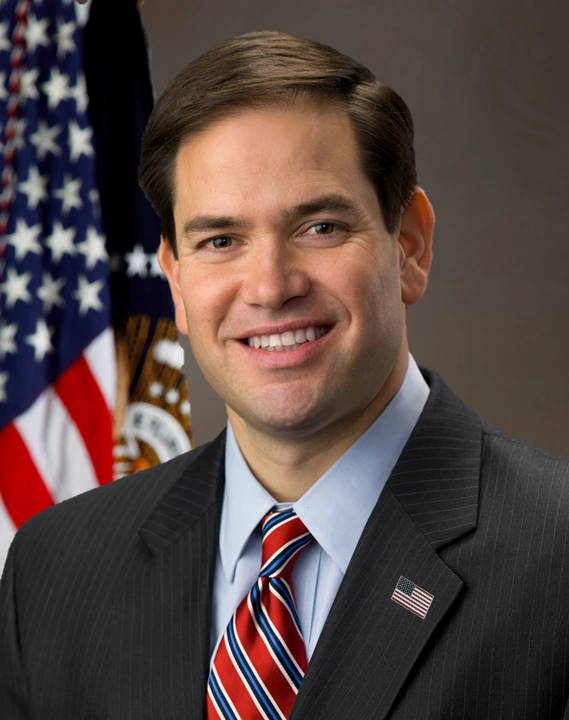
U.S. Secretary of State Marco Rubio has revealed that Hamas has 'basically' agreed to President Donald Trump's proposal for resolving the Gaza conflict, marking a potential breakthrough in negotiations. However, Rubio cautioned that the conflict has 'not yet' ended and significant challenges remain in implementing the agreement. The framework focuses on hostage release as the first phase, with complex negotiations ahead regarding Gaza's long-term governance and security arrangements.
In a significant development in the ongoing Gaza conflict, U.S. Secretary of State Marco Rubio has announced that Hamas has "basically" agreed to President Donald Trump's proposal for resolving the crisis. The revelation came during Rubio's appearance on NBC's Meet the Press, where he provided crucial updates on the negotiation progress while simultaneously cautioning that the conflict remains unresolved.
Current Status of Negotiations
According to Secretary Rubio's statements, Hamas has accepted both the framework for releasing hostages and the broader proposal put forward by the Trump administration. The agreement represents a potential turning point in the conflict that has persisted for years. Rubio emphasized that while this acceptance marks significant progress, numerous details remain to be negotiated during ongoing technical talks.
The Secretary of State described the hostage release as the "first phase" of what promises to be a complex implementation process. He noted that the United States would know "very quickly" whether Hamas is serious about following through on its commitments based on the progress of current coordination meetings.
Two-Phase Implementation Plan
Rubio outlined a clear two-phase approach to implementing the agreement. The immediate priority involves the release of all hostages in exchange for Israel moving back to what he described as the "yellow line" – the position Israel held within Gaza in mid-August. This initial phase represents the most achievable short-term objective according to U.S. assessment.
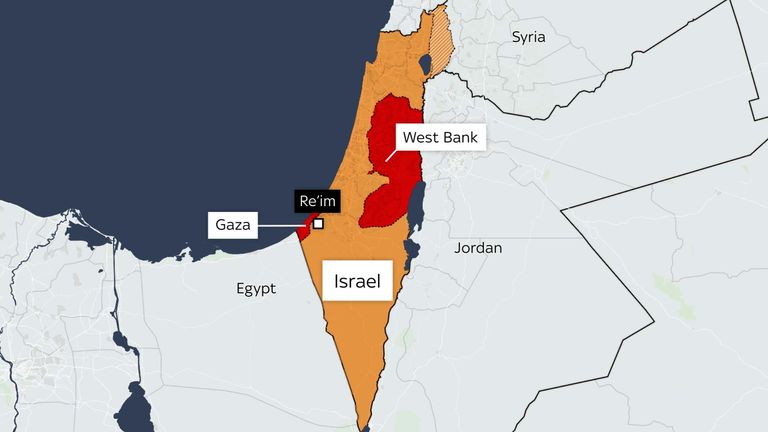
The second phase addresses what Rubio characterized as the "even harder" challenge: determining Gaza's long-term future. This includes establishing a Palestinian technocratic leadership that excludes Hamas, disarming terrorist groups, and preventing the construction of attack tunnels. Rubio stressed that without successfully addressing these fundamental security and governance issues, lasting peace would remain elusive.
Challenges and Uncertainties
Despite the positive developments, Rubio maintained a cautious tone throughout his interviews. Speaking to Fox News Sunday, he explicitly stated that "no one can tell you it's a 100 percent guarantee" regarding the agreement's successful implementation. This acknowledgment reflects the complex nature of Middle East diplomacy and the numerous obstacles that could derail the process.
The Secretary of State's warnings about the conflict not being over underscore the fragile nature of the current breakthrough. The transition from agreement in principle to practical implementation represents the true test of whether this proposal can deliver meaningful change to the region.