Read on the Guardian
Museveni Secures Seventh Term Amid Election Controversy and Fraud Allegations
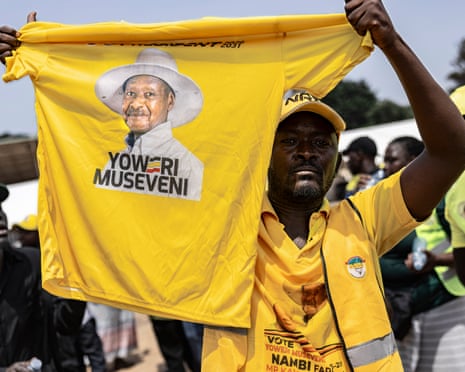
Uganda's long-serving President Yoweri Museveni has been declared the winner of the latest election, securing a seventh term with over 70% of the vote according to state authorities. The announcement comes amidst an internet blackout and serious allegations of electoral fraud from his main opponent, musician-turned-politician Bobi Wine, who claims polling staff were kidnapped and called for peaceful protests. This election marks another chapter in Museveni's 40-year rule, raising questions about democratic processes in a nation that hasn't experienced a peaceful transfer of power since independence.
Uganda's political landscape has been reshaped once again as President Yoweri Museveni secures his seventh term in office, extending his rule to over four decades. According to state election authorities, Museveni won with more than 70% of the vote, but the victory has been clouded by allegations of fraud, an internet shutdown, and claims of electoral irregularities from his main opponent, Bobi Wine. This article examines the election results, the controversies surrounding them, and what this means for Uganda's democratic future.
Election Results and Official Announcement
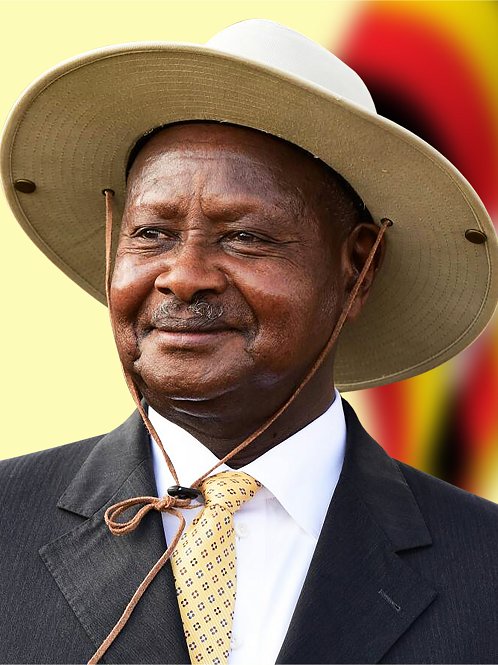
The Ugandan Electoral Commission announced that President Yoweri Museveni secured a decisive victory with over 70% of the vote, extending his rule that began in 1986. At 81 years old, Museveni now becomes the third-longest-serving non-royal national leader in the world, having been in power for 40 years. The election results came amid significant restrictions, including an internet shutdown that limited information flow and communication throughout the country.
According to the official announcement, the election process was conducted according to established procedures, with authorities maintaining that the voting reflected the will of the Ugandan people. However, the circumstances surrounding the election have raised serious questions about its credibility and transparency.
Opposition Allegations and Bobi Wine's Response
Museveni's main opponent, Robert Kyagulanyi Ssentamu, popularly known as Bobi Wine, has vehemently rejected the election results, calling them "fake" and alleging widespread electoral fraud. The 41-year-old musician-turned-politician claimed that members of polling staff were kidnapped during the election process, among other irregularities. In response to the announced results, Wine called for peaceful protests to pressure authorities to release what he termed the "rightful results."
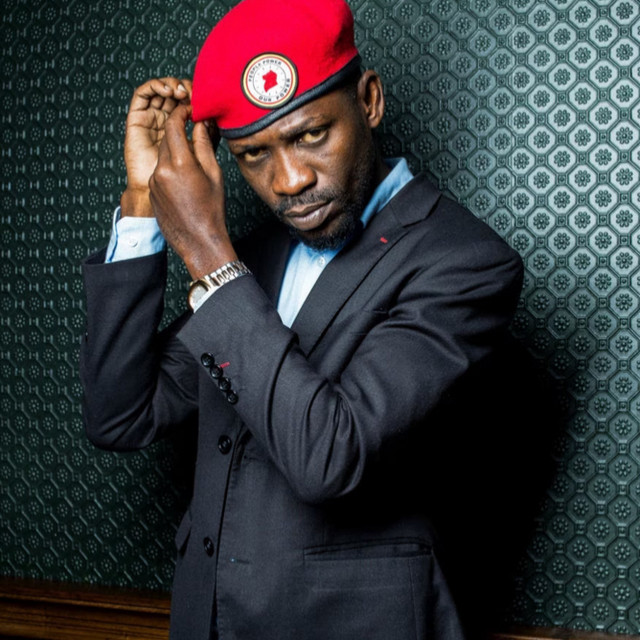
Wine also reported that security forces raided his home, forcing him to flee to avoid arrest. In a statement posted on social media platform X, he described a difficult night where "the military and the police raided us. They switched off power and cut off some of our CCTV cameras." Ugandan police confirmed they had restricted access to Wine's area but denied arresting him, stating the measures were necessary to prevent unrest.
Electoral Irregularities and Technical Issues
Several technical issues and alleged irregularities marred the election process. Among the most significant problems was the failure of biometric voter identification machines in urban areas, which are typically strongholds of opposition support. These technical failures delayed voting in cities and forced electoral officials to resort to manual voter lists.
Bobi Wine and his supporters alleged that the shift to manual lists enabled "massive ballot stuffing" and created opportunities for favoritism toward the incumbent's party. Interestingly, Museveni himself endorsed the use of the manual voter register after the biometric system failures, raising further questions about the election's integrity.
Security Concerns and Violence
Despite the allegations of fraud, the election largely passed with limited violent incidents, though not without concerning security developments. Police reported a clash in central Uganda where seven people died and three were injured after officers fired in what they described as self-defense against opposition "goons." However, opposition MP Muwanga Kivumbi disputed this account, claiming security forces killed 10 people at his residence.
Throughout the campaign and election period, Bobi Wine wore a flak jacket and helmet due to safety concerns, alleging that security forces harassed him and his supporters, including through the use of tear gas. These security measures highlight the tense atmosphere surrounding Uganda's political opposition.
Historical Context and Democratic Challenges
This election occurs within a broader context of Uganda's political history. The country has not experienced a peaceful transition of power since gaining independence from British colonialism six decades ago. Museveni has systematically rewritten Uganda's laws to maintain his position, including removing term and age limits from the constitution and jailing political opponents.
International rights monitor Freedom House classifies Uganda as "not free," noting that while the country holds regular elections, they are not considered credible. This assessment reflects ongoing concerns about democratic processes and political freedoms in the nation.
Economic Stability and Governance
Despite the political controversies, Museveni's long rule has overseen a period of relative stability that has allowed Uganda's economy to grow. Economic forecasts predict continued growth in the coming year, suggesting that stability has provided some economic benefits. However, this economic progress must be balanced against concerns about democratic governance and political freedoms.
The tension between economic development and political freedom represents a central challenge for Uganda's future. While stability has facilitated growth, questions remain about whether this comes at the cost of democratic principles and human rights.
Conclusion: Uganda's Political Future
The 2026 Ugandan election results extend Yoweri Museveni's remarkable political career but do so amid serious allegations of electoral fraud and irregularities. The contrast between the official victory declaration and Bobi Wine's claims of "fake results" highlights the deep divisions within Uganda's political landscape. As the country moves forward under Museveni's continued leadership, questions about democratic processes, political freedoms, and the possibility of peaceful power transitions remain unanswered.
The international community will be watching closely as Uganda navigates these challenges, balancing the need for stability with the aspirations for genuine democratic governance. The coming months will reveal whether Museveni's seventh term will bring political reconciliation or further polarization in this East African nation.