Read on bbc.com
Venezuela's 'Ghost Fleet': How Sanctioned Oil Tankers Evade US Blockades
The recent seizure of an oil tanker off Venezuela's coast highlights the escalating cat-and-mouse game between the US and sanctioned nations. Venezuela, facing comprehensive oil sanctions since 2019, has developed a sophisticated 'ghost fleet' of tankers using false flags, identity theft, and signal manipulation to continue exporting crude. This fleet represents a growing global phenomenon, with similar operations supporting Russia and Iran. As President Trump announces a 'total and complete blockade' targeting these vessels, we examine the tactics, scale, and implications of this maritime shadow economy that allows Venezuela to maintain oil exports despite international pressure.
The seizure of the oil tanker The Skipper off Venezuela's coast on December 10, 2025, represents more than just another enforcement action in the long-standing US sanctions regime. It reveals the sophisticated shadow economy that has developed around Venezuela's oil industry—a network of "ghost ships" operating in international waters to evade detection and continue the flow of crude despite comprehensive sanctions. As President Donald Trump announces a "total and complete blockade of all sanctioned oil tankers" targeting Venezuela, understanding these maritime operations becomes crucial to grasping the limitations and challenges of economic sanctions in the globalized oil market.

The Sanctions Landscape and Venezuela's Oil Resilience
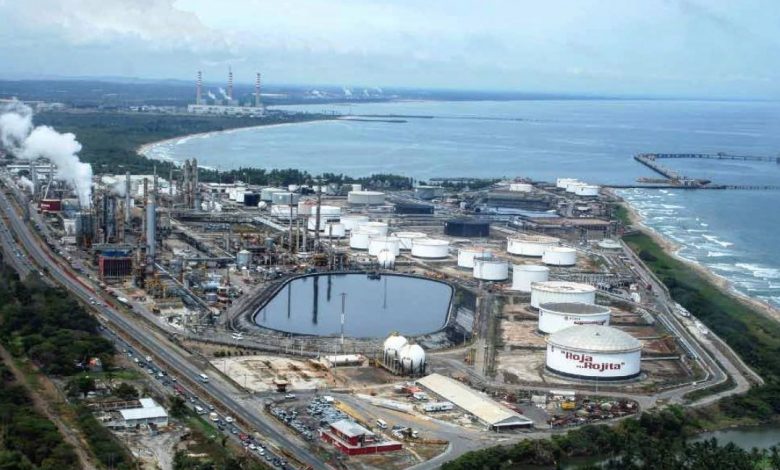
US sanctions targeting Venezuela's state-run oil company PDVSA date back to 2019, during Trump's first presidential term. Initially, these measures proved devastatingly effective: Venezuelan crude exports fell by more than half from roughly 1.1 million barrels per day in January 2019 to about 495,000 by year's end, according to the US Energy Information Administration. This dramatic decline threatened the financial foundation of Nicolás Maduro's government, which depends heavily on oil revenues to fund state operations.
However, six years later, Venezuela's oil exports have demonstrated remarkable resilience, recovering to approximately 920,000 barrels per day as of November 2025, according to Reuters. While this remains far below the country's peak export level of 3 million barrels per day in 1998, the partial recovery indicates that sanctions have not achieved their intended crippling effect. This recovery has been facilitated by the development and expansion of Venezuela's ghost fleet—a collection of aging tankers operating outside normal maritime channels and regulations.
Understanding the Ghost Fleet Phenomenon
Ghost fleets represent a growing global phenomenon not unique to Venezuela. Financial intelligence firm S&P Global estimates that one in five oil tankers worldwide are now used to smuggle oil from sanctioned countries. Of these shadow vessels, approximately 10% carry exclusively Venezuelan oil, 20% transport Iranian crude, while 50% are dedicated to Russian oil exports. The remaining 20% operate as flexible carriers, transporting oil from multiple sanctioned nations as opportunities arise.
These fleets exist because sanctioned countries offer their oil at steep discounts—sometimes 30-40% below market prices—creating powerful financial incentives for buyers willing to navigate the risks. Companies and nations purchasing this discounted oil face potential secondary sanctions from the US, but the profit margins often justify the calculated risks. The entire system operates on deception, with multiple layers of obfuscation designed to conceal the origin, ownership, and movement of sanctioned crude.
Common Deception Tactics
Ghost tankers employ several sophisticated tactics to avoid detection and enforcement. The most common strategy involves frequent changes to vessel names and flags—sometimes occurring several times within a single month. The recently seized tanker The Skipper exemplifies this practice: originally named Toyo, it was later renamed Adisa before adopting its current designation. This constant rebranding creates confusion in maritime databases and complicates tracking efforts.
Another prevalent tactic involves "zombie ships"—vessels that steal the identity of scrapped ships by using their unique International Maritime Organization registration numbers. This practice parallels identity theft in the human world, with defunct vessels providing cover for active smuggling operations. A Bloomberg investigation detected four such zombie ships carrying Venezuelan crude, including the 32-year-old vessel Varada, which arrived in Malaysian waters in April 2025 despite the real Varada having been scrapped in Bangladesh eight years earlier.

Technological Evasion Methods
Beyond administrative deception, ghost fleets employ technological measures to avoid detection. The most common involves disabling or manipulating the Automatic Identification System (AIS), which transmits crucial data including vessel name, flag, position, speed, and route. Maritime risk company Vanguard Tech believes The Skipper was "spoofing its position for a long time"—transmitting false signals to appear in locations far from its actual position.
Another sophisticated method involves ship-to-ship transfers in international waters, where sanctioned crude is transferred from ghost tankers to legally compliant vessels with legitimate flags and documentation. These "clean" ships then deliver the oil to final destinations, presenting it as originating from non-sanctioned sources. This method was particularly prevalent during the tightening of sanctions in 2019-2020, when Venezuelan oil frequently reached China through such transfer operations.
The Scale of Venezuela's Shadow Fleet Operations
According to data compiled by TankerTrackers.com, more than 30 of the 80 ships in Venezuelan waters or approaching the country were under US sanctions as of mid-December 2025. A separate October 2025 report by the anti-corruption NGO Transparencia Venezuela identified 71 foreign tankers at PDVSA ports, with 15 under direct sanctions and nine specifically linked to ghost fleet operations. The report further detected 24 tankers operating with deactivated location signals and six ship-to-ship cargo transfers occurring in waters off western Venezuela.
These vessels predominantly fly flags of countries considered regulatory havens with lax oversight of sanctions compliance, including Panama, Comoros, and Malta. Unlike Chevron-operated ships authorized by the US to operate in Venezuela—which typically load and depart within six days—ghost fleet vessels often spend more than 20 days in port areas without directly reaching oil terminals. Transparencia Venezuela notes that "the extended stay in port areas without directly reaching oil terminals raises serious doubts about the type of operations these vessels are conducting."
US Response and Escalating Tensions
The seizure of The Skipper represents a significant escalation in US enforcement efforts. Notably, the operation originated from the USS Gerald Ford aircraft carrier—the largest in the world—which is part of a substantial US military deployment in Caribbean waters. This naval presence signals Washington's commitment to enforcing oil sanctions more aggressively, potentially curtailing Maduro's ability to rely on ghost fleets.
President Trump's December 16 announcement of a "total and complete blockade" specifically targets the estimated 30+ sanctioned vessels in Venezuelan waters. This declaration follows years of what the US administration views as inadequate enforcement and increasing sophistication in evasion tactics. The blockade represents both a practical measure to intercept illicit oil shipments and a political statement reinforcing Washington's position toward the Maduro government.
Global Implications and Future Outlook
The ghost fleet phenomenon extends beyond Venezuela, representing a broader challenge to the international sanctions regime. As S&P Global's estimates indicate, similar operations support Russia and Iran, creating a parallel shipping industry that undermines Western economic pressure campaigns. This shadow maritime economy demonstrates how globalization and technological advancements can be leveraged to circumvent traditional enforcement mechanisms.
Looking forward, the effectiveness of Trump's announced blockade will depend on several factors: the US Navy's ability to maintain constant surveillance across vast maritime areas, cooperation from regional allies, and the ghost fleet's capacity to develop new evasion tactics. The cat-and-mouse dynamic between enforcers and evaders will likely continue, with each side adapting to the other's strategies. What remains clear is that as long as significant price differentials exist between sanctioned and market-priced oil, and as long as buyers are willing to accept the risks, ghost fleets will continue to ply the world's oceans, challenging the limits of economic statecraft in the 21st century.