Read on France 24
Thailand and Cambodia Sign Ceasefire Agreement to End Border Conflict
Thailand and Cambodia have signed an immediate ceasefire agreement to halt three weeks of intense border clashes that resulted in over 100 deaths and displaced more than a million people. The truce, signed by defense ministers from both nations, applies to all weapons and attacks on civilians and infrastructure. This article examines the details of the agreement, the humanitarian impact of the conflict, and the challenges facing its implementation as both sides seek a path to lasting peace.
After three weeks of devastating border clashes that claimed over 100 lives and displaced more than a million civilians, Thailand and Cambodia have reached a critical diplomatic breakthrough. On Saturday, December 27, 2025, defense ministers from both nations signed an immediate ceasefire agreement aimed at halting the violence that has plagued their shared border region. This development follows three days of intensive talks between military officials and represents a significant step toward de-escalating one of Southeast Asia's most serious recent conflicts.

The Ceasefire Agreement Details
The ceasefire agreement, which took effect at noon local time (05:00 GMT) on Saturday, represents a comprehensive attempt to halt all military activities along the contested border. According to the statement signed by Cambodia's Defence Minister Tea Seiha and Thailand's Defence Minister Nattaphon Narkphanit, the truce applies to "all types of weapons, including attacks on civilians, civilian objects and infrastructures." The agreement was signed at a checkpoint on their shared border, symbolizing the direct engagement between the two nations' leadership.
The document includes 16 specific de-escalation and implementation measures designed to prevent further violence. These measures call for a complete halt in military movements and airspace violations for military purposes. Notably, only Thailand has conducted air strikes during the conflict, with Cambodian officials reporting attacks as recently as Saturday morning before the ceasefire took effect. The agreement also reaffirms both countries' commitment to an earlier ceasefire brokered in July 2025, which had temporarily halted five days of fighting but ultimately failed to prevent the recent escalation.
Humanitarian Impact and Casualties
The human cost of the three-week conflict has been staggering, with official tallies indicating at least 101 people killed and more than a million displaced from border areas. Thailand has reported 26 soldiers and one civilian killed as a direct result of combat since December 7, along with 44 additional civilian deaths. Cambodia has not released official military casualty figures but acknowledges 30 civilian deaths and 90 injuries resulting from the fighting.
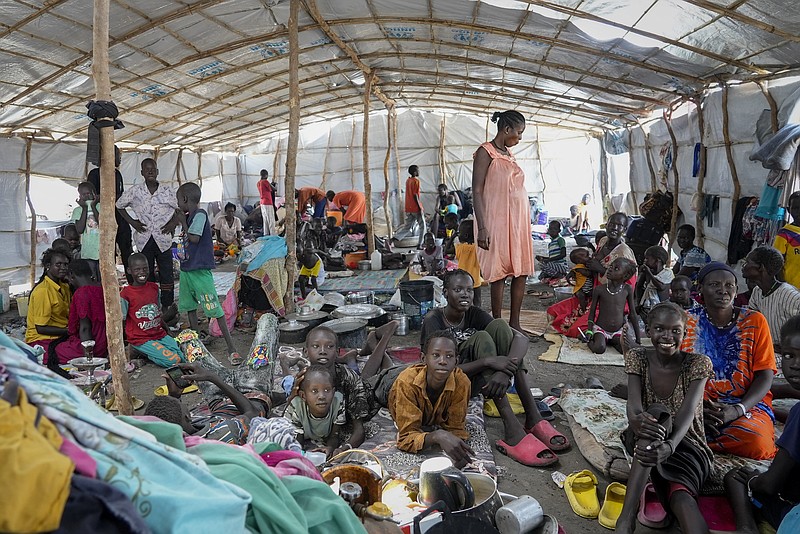
The displacement crisis represents one of the most severe humanitarian consequences of the conflict. Hundreds of thousands of people have been evacuated on both sides of the border, creating significant strain on local resources and infrastructure. Cambodian Defence Minister Tea Seiha emphasized the ceasefire's importance for displaced populations, stating it "paves the way for the displaced people who are living in the border areas to be able to return to their homes, work in the fields, and even allow their children to be able to return to schools and resume their studies."
Key Provisions and Implementation Challenges
The ceasefire agreement addresses several critical issues that have complicated previous peace efforts. One significant provision calls on both sides to adhere to international agreements against deploying land mines, a major concern for Thailand. Thai soldiers have been wounded in at least nine incidents this year by what they described as newly planted Cambodian mines, while Cambodia maintains these are remnants from decades of civil war that ended in the late 1990s.
Another notable clause requires both nations to "refrain from disseminating false information or fake news," addressing the bitter propaganda war that has accompanied the physical conflict. The agreement also commits the parties to resume previously established measures to demarcate the border—a longstanding point of contention between Thailand and Cambodia. Additionally, both sides agreed to cooperate in suppressing transnational crimes, particularly referencing online scams perpetrated by organized crime groups that have bilked victims worldwide of billions of dollars annually.
International Response and Regional Diplomacy
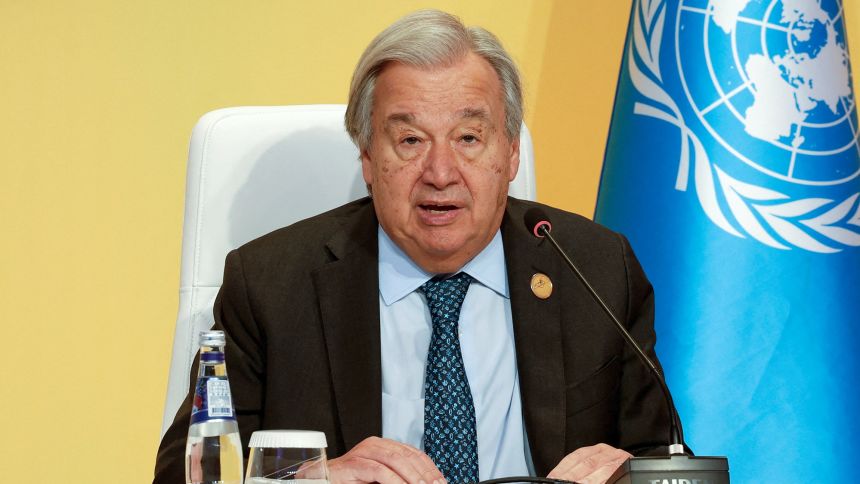
The international community has welcomed the ceasefire agreement as a positive development. United Nations Secretary-General Antonio Guterres praised the agreement through his spokesman Stephane Dujarric, calling it "a positive step towards alleviating the suffering of civilians, ending current hostilities, and creating an environment conducive to achieving lasting peace." This endorsement reflects the global concern about the conflict's humanitarian consequences and regional stability implications.
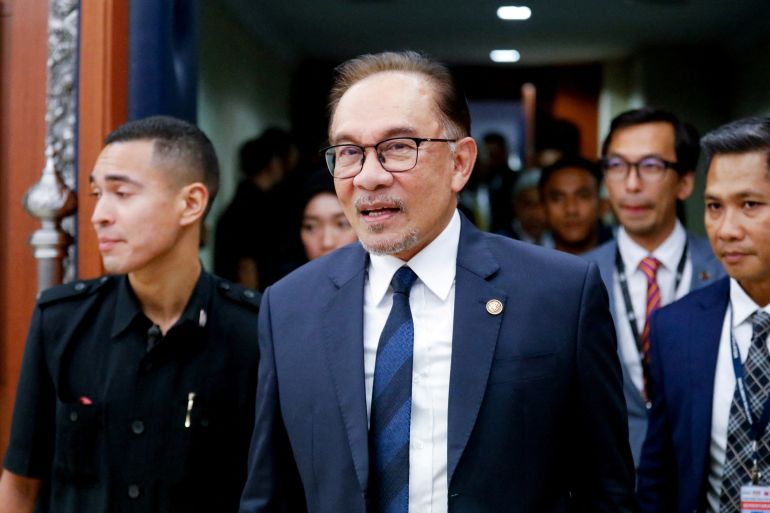
Regional diplomacy played a crucial role in facilitating the agreement. Malaysia's Prime Minister Anwar Ibrahim, who was instrumental in brokering the original July ceasefire, quickly welcomed the new agreement. In a post on social media platform X, he stated that the ceasefire "reflects a shared recognition that restraint is required, above all in the interest of civilians." He further expressed hope that both sides would faithfully carry out the implementation provisions, which "provide a basis for stability." The original July ceasefire was pushed through by pressure from then-US President Donald Trump, who threatened to withhold trade privileges unless Thailand and Cambodia agreed to halt hostilities.
Prospects for Lasting Peace
Despite the ceasefire agreement, significant challenges remain for achieving lasting peace between Thailand and Cambodia. The fragility of the agreement was underscored by Thailand's Defence Ministry spokesperson Surasant Kongsiri, who noted in a post-signing briefing that the 72-hour ceasefire beginning Saturday "is not an act of trust nor unconditional acceptance but a time frame to tangibly prove whether Cambodia can truly cease the use of weapons, provocations and threats in the area." This statement reflects the deep mistrust that has characterized relations between the two nations throughout the conflict.
Historical precedent suggests caution in assessing the agreement's long-term prospects. Many clauses similar to those in Saturday's agreement were included in October's ceasefire document but were "open to various interpretations and generally honoured only in part," according to reports. The safe return of civilians to their homes and the repatriation of captured Cambodian soldiers will serve as key indicators of whether the ceasefire holds. As both nations navigate the delicate process of implementation, the international community will be watching closely to see if this agreement represents a genuine turning point or merely another temporary pause in a longstanding territorial dispute.