Train Derailment in Southern Mexico Kills 13, Injures 98
A passenger train carrying 250 people derailed in southern Mexico's Oaxaca state, resulting in at least 13 fatalities and 98 injuries. The Interoceanic Train, a key infrastructure project linking the Gulf of Mexico and the Pacific Ocean, went off the rails near the town of Nizanda. Emergency response has been complicated by difficult access to the remote site, and Mexico's Attorney General's Office has opened an investigation into the cause of the accident.
A major train derailment in southern Mexico has resulted in significant casualties, highlighting concerns about transportation safety in the region. The Interoceanic Train, carrying 250 passengers and crew, partially derailed on Sunday near the town of Nizanda in Oaxaca state, according to official reports from the Mexican Navy. The incident has left at least 13 people dead and 98 injured, with rescue operations facing challenges due to the remote location.

Details of the Derailment Incident
The accident occurred as the train was navigating a curve approximately 5 kilometers south of Nizanda, within the municipality of Asuncion Ixtaltepec. According to information from Al Jazeera's reporting, the train was carrying 241 passengers and 9 crew members at the time of the derailment. Initial reports indicate that 139 individuals were assessed as being out of immediate danger following the incident.
Emergency Response and Medical Situation
Mexican authorities have mobilized significant resources in response to the tragedy. President Claudia Sheinbaum confirmed in a statement on X that at least five of the injured passengers were in "serious" condition. She directed the secretary of the navy and other senior officials to travel to the area to assist affected families. The Ministry of Interior is coordinating the overall response effort.
Medical personnel have been treating the injured, with 36 of the 98 wounded individuals still receiving medical assistance as of the latest reports. Emergency units faced considerable challenges reaching the accident site due to difficult terrain and remote location, complicating rescue operations according to Mexican media outlet Uno Noticias Television.
Investigation and Official Statements
Mexico's Attorney General's Office has announced the opening of an investigation to determine the exact cause of the derailment. Preliminary accounts from passengers suggest potential mechanical issues, with one passenger telling Mexico's La Razon newspaper that the train "was coming very fast" before the derailment and expressing uncertainty about whether it "lost its brakes."
Political Response and Condolences
Oaxaca Governor Salomon Jara Cruz expressed his government's "heartfelt condolences to the families of those who lost their lives in this unfortunate accident" in a statement on X. The tragedy has drawn national attention to transportation safety along this important route, which serves as a critical link between Mexico's Pacific and Gulf coasts.
Background on the Interoceanic Train Project
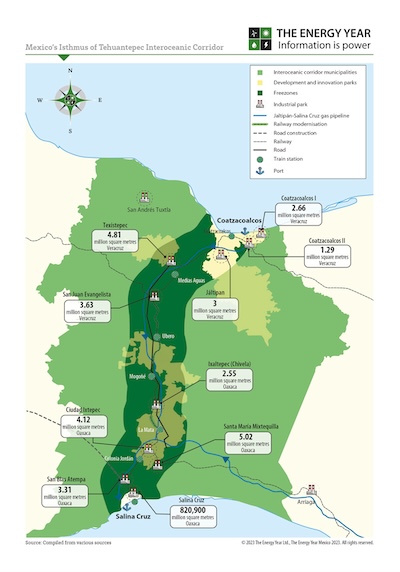
The derailed train was operating on the Interoceanic route, a major infrastructure project inaugurated in 2023 under former President Andres Manuel Lopez Obrador. The initiative was designed to modernize rail transportation across the Isthmus of Tehuantepec, connecting the Pacific port of Salina Cruz in Oaxaca with Coatzacoalcos on the Gulf Coast in Veracruz state.
This strategic corridor represents a significant investment in Mexico's southeastern development, with the government seeking to create a trade route that could potentially compete with the Panama Canal. The line carries both passengers and freight, supporting economic development in the region while providing essential transportation services.

Previous Safety Incidents
This is not the first safety incident on this route. On December 20, just days before the fatal derailment, a train on the same line collided with a cargo truck attempting to cross the tracks. Fortunately, that earlier incident did not result in any fatalities, but it raised questions about safety measures along the railway.
Conclusion
The train derailment in southern Mexico represents a significant tragedy with both human and infrastructure implications. As rescue operations continue and investigations proceed, questions remain about the safety protocols and maintenance standards on this important transportation corridor. The incident underscores the challenges of implementing major infrastructure projects in remote regions while ensuring passenger safety. The Mexican government's response and the findings of the official investigation will be crucial in determining necessary safety improvements for this vital transportation link.