 Read on cbsnews.com
Cartel Leader's Son-in-Law Sentenced to 11 Years in U.S. Prison for Money Laundering
Cristian Fernando Gutierrez-Ochoa, the son-in-law of notorious Jalisco New Generation cartel leader El Mencho, has been sentenced to 11 years and eight months in U.S. federal prison for conspiring to launder millions in drug trafficking proceeds. The 28-year-old was living under a false identity in California when arrested in 2024, having previously faked his own death to evade capture. This case highlights the U.S. Justice Department's ongoing efforts to dismantle the financial networks of Mexican cartels operating within American borders.
The U.S. justice system has delivered a significant sentence to a key figure linked to one of Mexico's most powerful and violent drug cartels. Cristian Fernando Gutierrez-Ochoa, whose familial ties place him at the heart of the Jalisco New Generation Cartel (CJNG), was sentenced to 11 years and eight months in federal prison for his role in laundering millions of dollars in narcotics proceeds. This case underscores the transnational reach of Mexican cartels and the determined efforts by U.S. authorities to target their financial operations and embedded operatives within the United States.

The Defendant and His Cartel Ties
Cristian Fernando Gutierrez-Ochoa, 28, is not merely a low-level cartel associate. He is the longtime partner of the daughter of Nemesio Rubén Oseguera Cervantes, the fugitive leader of the CJNG known as "El Mencho." This familial connection positioned Gutierrez-Ochoa within the cartel's inner circle. According to court documents and a CBS News report, he was accused of directing the importation of tons of methamphetamine and cocaine into the United States and engaging in violence to further the cartel's criminal enterprises.
The Crime: Conspiracy to Launder Money
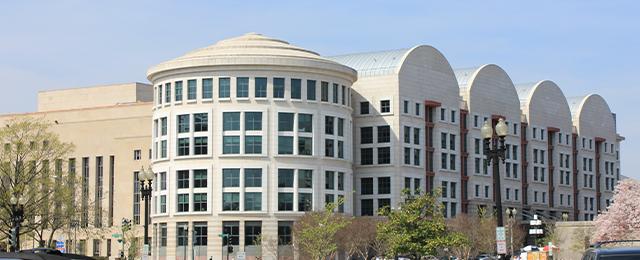
Gutierrez-Ochoa pleaded guilty in June to conspiring to launder millions of dollars generated from drug trafficking. U.S. District Judge Beryl Howell, during sentencing in Washington D.C., emphasized the danger posed by the CJNG, describing it as a "dangerous force" both in Mexico and within the United States. Prosecutors from the Justice Department had sought a 14-year sentence, portraying Gutierrez-Ochoa as a "dangerous, trained operative" who was secretly embedded in the U.S. to manage the cartel's financial interests and live a life funded by illicit proceeds.
A Life of Deception and Luxury
The case reveals a narrative of elaborate deception. Authorities state that Gutierrez-Ochoa faked his own death in Mexico after El Mencho allegedly ordered him killed for lying. He then fled to Riverside, California, where he assumed a false identity. There, he and his U.S. citizen girlfriend lived what prosecutors termed "a CJNG-sponsored life of abundance" in a $1.2 million home purchased with laundered cartel money. Deputy Attorney General Lisa Monaco stated that Gutierrez-Ochoa "assumed a false identity to evade justice and live a life of luxury in California."
Broader Context: U.S. Action Against CJNG
This sentencing is part of a larger U.S. campaign against the CJNG. The cartel, known for its extreme violence and massive drug trafficking operations, was designated as a Foreign Terrorist Organization by the Trump administration in February, providing prosecutors with additional legal tools. The State Department offers a reward of up to $15 million for information leading to the arrest of El Mencho. Gutierrez-Ochoa's sentencing follows other significant cases: El Mencho's son, "El Menchito," received a life sentence in March, and a brother-in-law was sentenced to 30 years in June.
Conclusion
The sentencing of Cristian Fernando Gutierrez-Ochoa represents a concrete step in disrupting the financial infrastructure of the Jalisco New Generation Cartel. It highlights the strategy of targeting high-value family members and associates who enable the cartel's operations from within the United States. While El Mencho remains at large, the continued prosecution and lengthy imprisonment of his close associates demonstrate the ongoing, multi-front effort by U.S. authorities to combat the influence and violence of Mexican drug cartels.