Read on Global News
Refugee Claims Stall Deportations in B.C.'s Extortion Crackdown
Canada's effort to deport foreign nationals linked to British Columbia's extortion epidemic has encountered a significant legal hurdle. According to the Canada Border Services Agency, more than a dozen suspects identified by the B.C. Extortion Task Force have claimed refugee status, suspending their removal proceedings. This development delays a key enforcement strategy against organized crime groups allegedly targeting South Asian communities with threats, arson, and shootings. The claims must now be adjudicated by the Immigration and Refugee Board, a process that could take years due to existing backlogs, raising questions about the pace of justice and public safety.
Canada's strategy to combat a surge in extortion-related crimes in British Columbia has hit a procedural roadblock, frustrating efforts to quickly remove foreign nationals accused of involvement. Central to the government's response has been the deportation of individuals linked to organized crime networks. However, this enforcement mechanism has been stalled as suspects exercise their legal right to seek asylum, triggering a complex adjudication process that could delay removals for years.
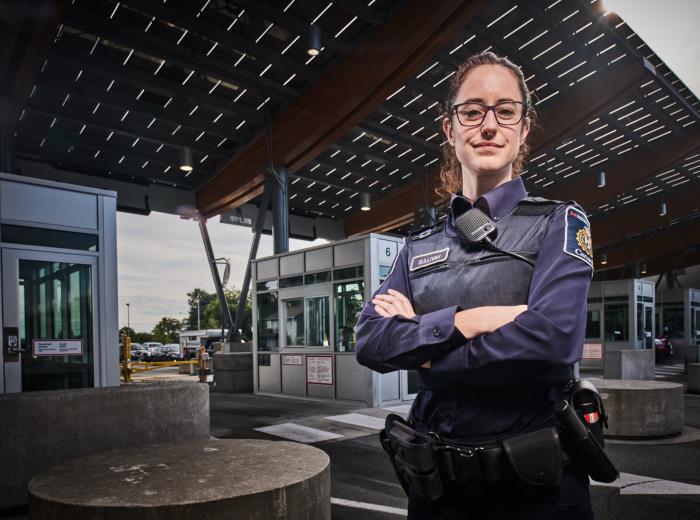
The B.C. Extortion Task Force, a joint initiative led by the RCMP and including immigration officers, was formed to tackle organized crime activity involved in extortion threats, particularly within the South Asian community. As part of this effort, the Canada Border Services Agency (CBSA) investigates individuals identified by police for immigration violations. The goal is to use immigration law as a tool to remove those involved in criminality from the country.
The Legal Halt: Refugee Claims and the IRB Process
When the CBSA initiates immigration investigations, individuals found to be in violation of their visa conditions—such as expired permits or not fulfilling study or work requirements—can be issued removal orders. However, a significant number of those facing deportation in connection to the extortion cases have invoked a different legal avenue: claiming refugee status.
According to CBSA figures reported by Global News, 14 individuals brought to the agency's attention by the task force have been referred to the Refugee Protection Division of the Immigration and Refugee Board (IRB). By making a refugee claim, their deportation proceedings are automatically put on hold. The CBSA must now wait for the IRB to decide on the merit of their claims before any further immigration enforcement action can be taken.

Implications for Enforcement and Public Safety
This development has significant implications for the timeline of Canada's enforcement response. Immigration lawyer Richard Kurland noted that by making refugee claims, suspects may have effectively delayed their deportations for up to four years, citing extensive backlogs at the IRB. During this period, claimants may have access to subsidized healthcare and other social services, funded by taxpayers.
The legal process does provide a mechanism to address criminality within refugee claims. Amandeep Hayer, vice-chair of immigration at the Canadian Bar Association’s B.C. branch, explained that the suspects' alleged involvement in crime can be raised during their refugee hearings. The IRB could reject their claims for asylum on the grounds that they are inadmissible to Canada for serious criminality. However, reaching that decision point is now subject to the board's scheduling and backlog.
Context of the Extortion Crisis
The extortion epidemic primarily targets business owners and individuals within the South Asian community in regions like B.C.'s Lower Mainland. The crimes are often linked to India-based organized crime groups, such as the Lawrence Bishnoi gang, which Canada designated as a terrorist entity in September 2024. These groups typically make threats by phone before dispatching local associates to carry out acts of violence, including arson and shootings, to coerce payments.
The issue is further complicated by allegations of foreign interference. The RCMP warned in 2024 that Indian government agents were involved in serious criminal activity in Canada, including extortion. This intertwining of criminal extortion with transnational repression has added a layer of geopolitical complexity to the domestic law enforcement challenge.
The Path Forward for Authorities
Despite the delay caused by refugee claims, enforcement actions continue. The CBSA reported that as of early December 2025, it had over 100 active investigations into foreign nationals identified through the extortion task force. Of these, removal orders have been issued for 11 individuals found in non-compliance with their visa conditions, and five have already been deported.
The CBSA remains an integral part of the multi-agency task force, assisting with search warrants, investigations, and information sharing. The focus is on using all available legal tools—both criminal and immigration-based—to disrupt the networks responsible for the violence and intimidation. The outcome of the refugee claims will be a critical test of how effectively the immigration system can support broader public safety objectives when confronted with individuals involved in serious alleged crimes.
In conclusion, the intersection of immigration law and criminal enforcement has created a procedural delay in addressing B.C.'s extortion crisis. While the right to claim refugee status is a fundamental part of Canada's legal framework, its invocation by individuals linked to organized crime highlights the challenges of coordinating complex enforcement strategies. The coming decisions by the Immigration and Refugee Board will not only determine the fate of these specific claimants but also signal the system's capacity to balance humanitarian protections with the imperative of community safety.