Read on the Guardian
Bondi Paddle-Out: A Community's Oceanic Tribute to Terror Attack Victims
In a powerful display of communal solidarity and healing, thousands of surfers, swimmers, and community members gathered at Bondi Beach for a sunrise paddle-out to honor the 15 victims of the recent terrorist attack. This emotional tribute, organized by local community leaders and rabbis, saw participants forming a massive circle in the ocean as a symbol of unity and support for the Jewish community. The event, which drew over 2,000 people—four times the expected number—represents a significant moment in Sydney's ongoing response to the tragedy, demonstrating how shared spaces and rituals can foster resilience in the face of violence.
In the wake of profound tragedy, communities often seek meaningful ways to express collective grief, demonstrate solidarity, and begin the long process of healing. The recent terrorist attack at Bondi Beach, which claimed 15 lives during a Hanukah celebration, has prompted an extraordinary outpouring of communal support. One of the most poignant responses emerged from the ocean itself, as thousands gathered for a sunrise paddle-out—a traditional surf culture ritual—to honor the victims and stand with the Jewish community. This event underscores the powerful role of shared public spaces and collective action in navigating national trauma.

The Sunrise Gathering: A Circle of Solidarity
As dawn broke over Bondi Beach on Friday morning, the scene was one of both solemnity and profound unity. According to reports from The Guardian, thousands of participants—including surfers, swimmers, paddle-boarders, runners, pregnant women, and children from local nippers programs—paddled or swam approximately 200 meters offshore. They formed a vast, silent circle around a white buoy in the calm morning waters, creating a living symbol of community encircling those affected by the violence.
The event was coordinated by local community leaders including Trent Knox of the 440 Run Club, Rabbi Joseph Eichenblett, and David Solsky, a local Jewish man. What began as an expected gathering of a few hundred swelled to over 2,000 participants, demonstrating the community's overwhelming desire to participate in this act of remembrance. Life-savers who had been among the first responders during the attack helped facilitate the event, while Rabbi Yossi Friedman, who has visited the site daily since the tragedy, addressed the crowd.

Emotional Impact and Communal Healing
The emotional resonance of the paddle-out was palpable both in and out of the water. Participants described the moment when, after a period of silence, a whistle blew and the circle erupted into wild cheering as particularly powerful. Local surfer Larissa Volken told media that "the energy out there" felt "insane," representing "part of who we are" as a community. Another longtime Bondi resident, Christophe, noted that returning to the water—their "happy place"—helped ease the tension and fear that had gripped the community since the attack, reinforcing his love for Bondi and sense of local patriotism.
For the Jewish community specifically, the demonstration held particular significance. David Solsky expressed that Jewish Australians have "felt quite isolated and alone" in recent years, making the visible show of support "incredible." The event served not only as a memorial but as an active gesture of inclusion and solidarity, helping to bridge feelings of isolation with tangible community connection.
Broader Context of Community Response
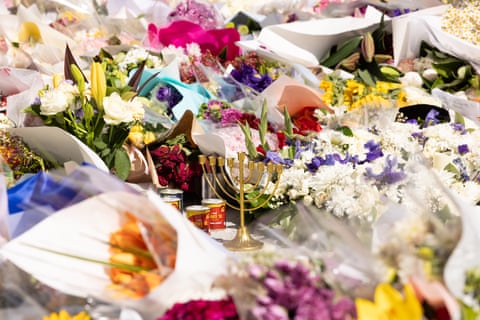
The paddle-out represents just one facet of a multifaceted community response to the Bondi tragedy. Onshore, similar gestures of healing were visible. Mourners and locals gathered at memorial sites, sharing laughter and even singing "Waltzing Matilda" in honor of 10-year-old Matilda, the attack's youngest victim. Chalk drawings of a menorah and a bee (symbolizing Matilda's middle name) appeared on the footbridge from which the shooters had opened fire.
The financial and practical response has been equally significant. According to reports, more than $5 million has been donated across various verified fundraisers for victims, with contributions from over 70,000 donors across 60 countries. This includes $2.5 million raised for Bondi hero Ahmed al-Ahmed, who wrestled a firearm from one of the gunmen. The Police Association of NSW has established appeals for injured officers that have raised nearly $750,000. In a remarkable show of practical support, Lifeblood reported over 25,000 blood donations following their appeal, with approximately 90,000 appointments booked nationwide—a record-breaking response.
The Significance of Ritual in Public Mourning
The Bondi paddle-out follows in a tradition of surf community rituals used to honor those lost to the ocean or to tragedy. Typically drawing dozens or a few hundred participants for remembering friends or community leaders, this event's scale—over 2,000 people—reflects the magnitude of the communal grief and the desire for collective expression. Such rituals serve multiple psychological and social functions: they provide structured outlets for grief, create shared experiences that strengthen community bonds, and transform passive mourning into active remembrance.
Public gatherings in the wake of tragedy also serve to reclaim spaces marked by violence. By returning to Bondi Beach—the very site of the attack—in a peaceful, unified gathering, the community symbolically reaffirmed the beach as a place of joy, community, and safety rather than fear. This reclamation is a crucial step in the long-term healing process for both individuals and the community as a whole.
Conclusion: Waves of Love and Peace
As one attendee close to a victim expressed during the paddle-out, "There's so much love and so much peace. Thank you ... It's helping us heal." The Bondi paddle-out stands as a powerful testament to community resilience in the face of unimaginable loss. It demonstrates how traditional rituals can be adapted to address contemporary tragedies, how shared public spaces can facilitate collective healing, and how simple acts of presence—paddling out, forming a circle, standing together—can communicate profound solidarity.
While the grief from the Bondi attack will undoubtedly persist, events like this paddle-out create meaningful touchpoints in the mourning process. They remind us that healing often happens not in isolation but in community, and that even in the darkest moments, people can come together to create "waves of love and peace" that honor the lost while supporting the living. As the community continues to navigate this tragedy, such demonstrations of unity will likely remain essential to the long journey toward healing and resilience.