Mapping Israel's 2025 Military Campaign: A Geographic Analysis of Regional Strikes
In 2025, Israel conducted one of the broadest geographic military offensives in a single year, carrying out attacks across at least six sovereign nations and international waters. According to conflict monitoring data, Israeli forces launched over 10,600 documented attacks, with the heaviest concentration in Gaza and the occupied West Bank. This analysis examines the scope, frequency, and locations of these strikes, from sustained assaults in Palestine to unprecedented attacks on Iran, Lebanon, Syria, Yemen, and Qatar, alongside maritime operations against aid flotillas. The campaign represents a significant expansion of regional military engagement, raising complex questions about international law, sovereignty, and the humanitarian impact across the Middle East.
In 2025, Israel executed a military campaign of unprecedented geographic scope, conducting offensive operations across multiple sovereign states and international maritime zones. According to data from the independent conflict monitor Armed Conflict Location and Event Data (ACLED), Israeli forces carried out at least 10,631 attacks from January 1 to December 5, marking what analysts describe as one of the broadest single-year military offensives in modern history. This article provides a detailed analysis of the locations, frequency, and nature of these attacks, drawing on verified reporting to map the expansion of Israel's regional military footprint beyond its immediate conflicts.

The Geographic Scope of Attacks
Israel's 2025 military operations extended across at least six countries: Palestine, Lebanon, Iran, Syria, Yemen, and Qatar. Additionally, Israeli forces conducted strikes in the territorial waters of Tunisia, Malta, and Greece, targeting international aid flotillas bound for Gaza. This represents a significant expansion beyond Israel's traditional areas of military engagement, particularly with operations against Iran and Qatar marking new frontiers in regional conflict dynamics. The breadth of these operations underscores a strategic shift toward what military analysts term "expanded deterrence" through cross-border strikes.
Palestine: The Primary Theater
Gaza and the occupied West Bank remained the deadliest and most frequent targets of Israeli military action throughout 2025. According to ACLED data, Israel launched at least 8,332 attacks across Palestinian territories—an average of 25 attacks per day. This included 7,024 attacks across Gaza and 1,308 across the occupied West Bank. The human cost has been devastating, with more than 25,000 Palestinians killed and at least 62,000 injured in Gaza alone during this period. Israel repeatedly violated ceasefires in Gaza, with the October 10 ceasefire breached hundreds of times, resulting in at least 400 additional Palestinian deaths and 1,100 injuries.

West Bank Escalation
Beyond Gaza, Israel accelerated its military operations across the West Bank, launching what human rights organizations describe as the largest assault in decades. Operations focused on suppressing resistance in areas including Jenin, Tulkarem, and the Nur Shams refugee camps. Notably, these ACLED statistics exclude the parallel surge in settler violence, which the UN Office for the Coordination of Humanitarian Affairs (OCHA) documented at a record 1,680 attacks across more than 270 Palestinian communities—averaging five attacks per day.
Lebanon: Sustained Cross-Border Strikes
Despite a ceasefire agreement with Hezbollah that took effect in November 2024, Israel launched more than 1,653 attacks across Lebanon in 2025, averaging nearly five attacks daily. These strikes extended beyond southern border regions to include the Bekaa Valley and the outskirts of the capital, Beirut. Satellite imagery from southern Lebanon shows entire areas flattened by Israeli attacks. The Israeli military continues to maintain soldiers in five high-altitude positions in southern Lebanon, despite formal commitments to withdraw from the area following the ceasefire.
Iran: Unprecedented Direct Conflict
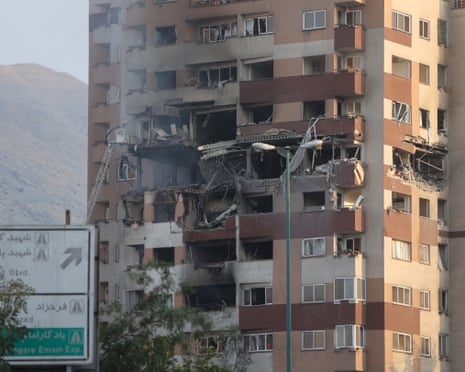
On June 13, 2025, Israel launched a major military operation against Iran, deploying approximately 200 jets to strike dozens of nuclear, military, and infrastructure sites. Targets included Iran's main nuclear facility in Natanz, with residential neighborhoods also hit, resulting in casualties among nuclear scientists and military commanders. During this 12-day conflict, Israel conducted at least 379 attacks across 28 of Iran's 31 provinces using air and drone strikes. The United States joined the attacks on June 22, bombing three nuclear facilities in Fordow, Natanz, and Isfahan. Iran retaliated with hundreds of ballistic missiles against Israeli cities, marking one of the most significant direct confrontations between the two nations.
Syria: Continued Air Campaign
Israel launched more than 200 attacks on Syria in 2025, primarily concentrated in the southern governorates of Quneitra, Deraa, and around Damascus. While Israel has conducted strikes in Syria for years, citing the elimination of Iranian military installations as justification, the campaign escalated significantly in 2025. A particularly dramatic escalation occurred on July 16, when Israel struck the headquarters of the Syrian Ministry of Defense near the presidential palace in Damascus. Following the fall of the Assad government in December 2024, Israel has framed its operations as preventing weapons from reaching what it terms "extremist" groups, including Hayat Tahrir al-Sham (HTS), the primary Syrian faction that led operations against Bashar al-Assad.
Yemen: Long-Range Operations
Israel conducted at least 48 attacks against Houthi targets in Yemen—some 1,200 kilometers (750 miles) from Israeli territory. A significant escalation occurred on August 28, 2025, when Israeli air raids targeted a Houthi government meeting in the capital, Sanaa, killing Houthi Prime Minister Ahmed al-Rahawi and several senior officials. Additional strikes targeted Houthi-controlled infrastructure including Sanaa International Airport, Hodeidah port, and multiple power stations. These operations continued despite a May 6, 2025 agreement between the United States and Houthis to cease mutual attacks, which notably excluded operations against Israel.
Qatar: Diplomatic Capital Strike
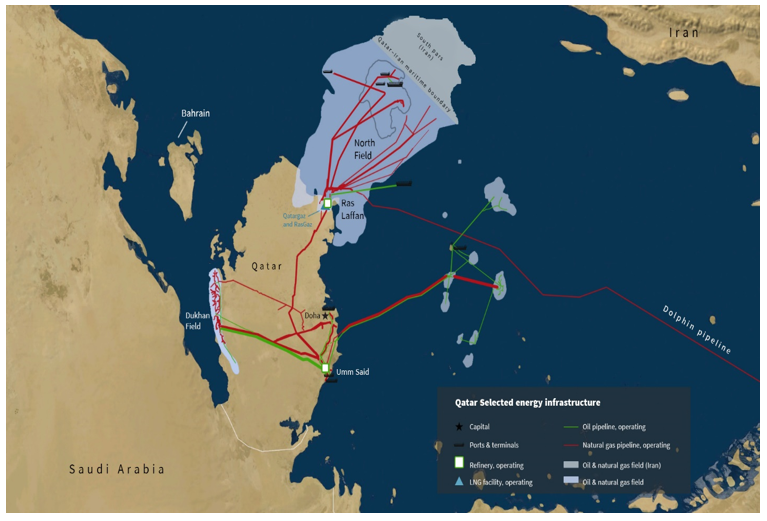
On September 9, 2025, Israel struck Qatar's capital, Doha, while Hamas leadership was meeting to discuss a US-proposed Gaza ceasefire. The attack occurred in the West Bay Lagoon area, home to numerous foreign embassies, schools, and residential compounds. The strike killed six people, including the son of senior Hamas leader Khalil al-Hayya, his office director, three bodyguards, and a Qatari security officer. Top Hamas leaders reportedly survived. In response, US President Donald Trump signed an executive order providing Qatar with an explicit security guarantee against "external attack," marking a significant diplomatic development following the military strike.
Maritime Operations: Targeting Aid Flotillas
In 2025, Israel extended its military operations to international waters, targeting civilian-led aid flotillas attempting to deliver humanitarian supplies to Gaza. On May 2, the vessel Conscience, operated by the Freedom Flotilla Coalition, was struck twice by armed drones just 14 nautical miles off the coast of Malta, triggering a fire and injuring four people. On September 9, the Gaza-bound Global Sumud Flotilla was attacked by a drone in the Tunisian port of Sidi Bou Said. Further attacks were reported on September 24 against flotilla organizers situated off the coast of Greece. These maritime strikes represent an expansion of Israel's enforcement of its blockade of Gaza into international waters.

Conclusion: Regional Implications and International Law
Israel's 2025 military campaign represents a dramatic expansion of its regional military footprint, with operations spanning from the Mediterranean to the Arabian Peninsula. The geographic breadth of these attacks—crossing multiple sovereign borders and extending into international waters—raises significant questions under international law regarding sovereignty, proportionality, and the use of force. The human cost has been immense, particularly in Gaza, while the strikes on Iran, Qatar, and maritime targets establish new precedents for cross-border military engagement. As conflict monitoring organizations note, the documented 10,631 attacks likely undercount the actual total due to reporting gaps in active conflict zones. This expanded campaign continues to reshape regional security dynamics and international diplomatic relations throughout the Middle East.