Moldova's Pro-Western Party Leads in Critical Parliamentary Election Amid Russian Interference Claims
Moldova's pro-Western ruling party appears poised to top polls in a crucial parliamentary election that has been overshadowed by allegations of Russian interference. While the party leads in preliminary results, it remains uncertain whether they will secure the majority needed to govern independently. The election represents a critical test for Moldova's European integration path and its ability to withstand external pressure campaigns.
Moldova's political landscape faces a pivotal moment as the country's pro-Western ruling party emerges as the frontrunner in parliamentary elections marked by significant geopolitical tensions. The election, held against a backdrop of alleged Russian interference, represents a crucial test for the small Eastern European nation's European aspirations and democratic resilience.
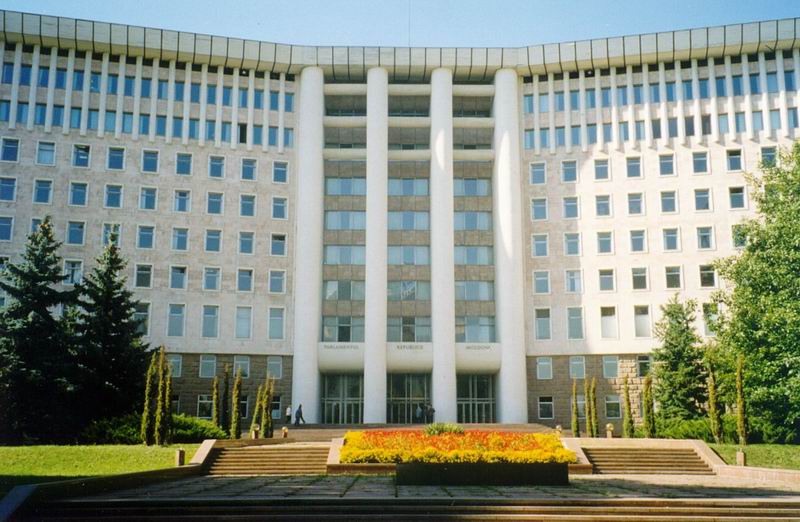
Election Context and Significance
The parliamentary election comes at a critical juncture for Moldova, a country situated between Romania and Ukraine that has pursued closer ties with the European Union in recent years. According to PBS NewsHour reports, the pro-European Union party currently leads in polls, though it remains uncertain whether they will secure the parliamentary majority needed to govern effectively.
Russian Interference Allegations
The election process has been overshadowed by widespread claims of Russian interference, adding complexity to an already contentious political environment. These allegations highlight the broader geopolitical struggle playing out in Moldova, where Russia maintains significant influence through various channels including energy dependence and media propaganda.

Political Implications
The election results will determine Moldova's future trajectory regarding European integration and relations with Russia. A strong showing by the pro-Western party would reinforce the country's European orientation, while any significant gains by pro-Russian factions could complicate Moldova's foreign policy direction. The outcome carries implications not only for domestic governance but also for regional stability in Eastern Europe.
Looking Ahead
As vote counting continues, political analysts are closely monitoring whether the leading party can achieve the parliamentary majority necessary to implement its agenda without coalition partners. The final composition of parliament will shape Moldova's ability to advance reforms required for EU membership negotiations and manage relations with both Western partners and Russia.