Ford's Strategic Pivot: Scaling Back Electric Ambitions in a Shifting Market
Ford Motor Company is making a significant strategic shift away from its aggressive electric vehicle targets, scaling back production of the all-electric F-150 Lightning and repurposing EV plants for gas-powered vehicles. This move responds to weakening consumer demand for EVs and reduced government support under the Trump administration. Instead, Ford will focus on hybrid technologies and affordable EV models while expanding into battery energy storage. This pivot reflects broader challenges facing the electric vehicle industry as it navigates market realities and changing regulatory landscapes.
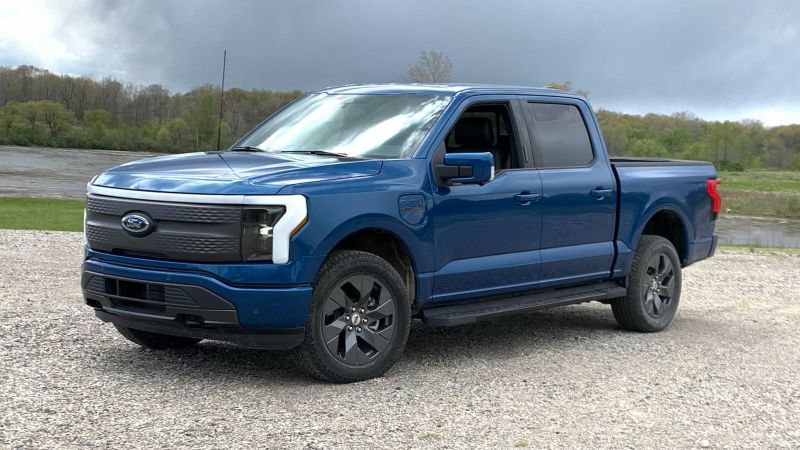
In a dramatic reversal of its electrification strategy, Ford Motor Company is scaling back its ambitious electric vehicle plans, signaling a major shift in the automotive industry's approach to the EV transition. The company's decision to cancel the next generation of its all-electric F-150 Lightning and repurpose an electric vehicle plant in Tennessee for gas-powered cars comes as a direct response to weakening consumer enthusiasm and diminishing government support under the Trump administration. This strategic pivot represents a significant moment for an industry that has invested billions in electrification, now facing the reality of market forces and changing political winds.
The Strategic Shift: From Electric Focus to Hybrid Emphasis
Ford is fundamentally rethinking its approach to vehicle electrification, moving away from its 2021 commitment to have electric vehicles account for 40 percent of global sales by 2030. Instead, the company now plans for a broader mix of hybrids, extended-range electrics, and battery-electric models to make up 50 percent of sales by the end of the decade. This represents not just a numerical adjustment but a complete strategic realignment that acknowledges the complex realities of consumer adoption and infrastructure development.
The company's new direction includes making hybrid versions of nearly every vehicle in its lineup, a move that reflects growing consumer preference for transitional technologies. According to Ford executives, this approach allows customers to benefit from electrification without the range anxiety and charging infrastructure concerns associated with pure battery-electric vehicles. The decision to transform the next F-150 Lightning into an extended-range electric vehicle (EREV) specifically addresses towing capacity and range limitations that have concerned truck buyers.

Market Realities Driving Ford's Decision
Several key factors have converged to prompt Ford's strategic reassessment. Consumer adoption of electric vehicles in the United States has fallen short of industry expectations, with battery-electric vehicles currently making up only about 7.5 percent of new car sales. This slower-than-anticipated adoption rate reflects persistent concerns about charging infrastructure, vehicle range, and upfront costs that continue to challenge widespread EV acceptance.
Equally significant is the changing regulatory environment. The Trump administration's rollback of commercial and consumer tax incentives for electric vehicles has removed crucial financial support that helped make EVs more accessible to American buyers. This policy shift has created uncertainty for automakers who had planned their electrification strategies around continued government support for the transition away from internal combustion engines.
Ford's New Business Diversification
Beyond its vehicle strategy adjustments, Ford is leveraging its existing investments in battery technology to create entirely new business opportunities. The company plans to enter the battery energy-storage market, using excess battery-making capacity to produce lower-cost, longer-living lithium iron phosphate (LFP) batteries for public utilities and data centers. This diversification represents a smart utilization of existing resources while creating potential new revenue streams beyond automotive manufacturing.
Ford still maintains some electric vehicle ambitions, particularly in the affordable segment. The company plans to produce a midsize electric pickup truck with a target starting price of about $30,000, scheduled for availability in 2027. These vehicles, currently in development at Ford's California skunkworks studio, will utilize a "universal" platform architecture designed to reduce production costs and make electric vehicles more accessible to mainstream buyers.

Global Implications and Competitive Landscape
Ford's strategic pivot has significant implications beyond the United States. The company has canceled an all-electric commercial van planned for the European market, instead partnering with Renault to develop at least two small Ford-branded electric vehicles for Europe. CEO Jim Farley described this partnership as part of a "fight for our lives" as American automakers attempt to compete with increasingly affordable electric vehicles from Chinese manufacturers.
This global dimension highlights the complex competitive pressures facing traditional automakers. While Chinese manufacturers benefit from government support and scale advantages, American companies must navigate changing domestic policies and consumer preferences. Ford's decision to produce a new gas-powered commercial van for North America alongside its electric and hybrid initiatives reflects a pragmatic approach to serving diverse market segments simultaneously.
Industry Implications and Future Outlook
Ford's strategic shift sends ripples throughout the automotive industry, potentially influencing how other manufacturers approach their own electrification timelines. The move validates concerns that the transition to electric vehicles may be more gradual and complex than initially anticipated, requiring flexible strategies that can adapt to changing market conditions and regulatory environments.
The company's emphasis on hybrid technologies represents a middle path that acknowledges both environmental imperatives and practical market realities. By focusing on extended-range electric vehicles and hybrids, Ford aims to deliver the benefits of electrification—including improved fuel efficiency and reduced emissions—while addressing consumer concerns about range and infrastructure. This approach may prove particularly effective in markets like the United States, where driving distances are longer and charging infrastructure remains unevenly distributed.
As the automotive industry continues to evolve, Ford's strategic pivot serves as a reminder that successful transitions require balancing ambitious goals with market realities. The company's willingness to adjust its approach based on changing conditions demonstrates the flexibility needed to navigate the complex landscape of automotive electrification in the coming years.