Read on the Guardian
UK-South Korea Trade Deal: A Strategic Boost for British Exports
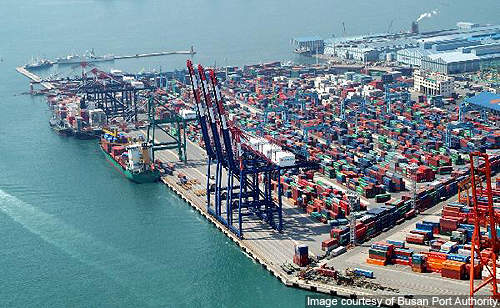
The UK has signed a significant new trade agreement with South Korea, designed to expand exports of key British goods and services. The deal, which replaces a post-Brexit arrangement, is projected to inject an additional £400 million annually into the UK economy on top of the existing £15 billion in bilateral trade. Key sectors set to benefit include automotive manufacturing, pharmaceuticals, and food and drink, with specific advantages for carmakers, Scottish salmon producers, and Guinness canned in Britain. This agreement forms part of the UK's broader post-Brexit trade strategy, following recent deals with the EU, India, and the US.
The United Kingdom has taken a significant step in its post-Brexit trade strategy by signing a new, upgraded trade agreement with South Korea. Announced by Trade Minister Chris Bryant and his South Korean counterpart, Yeo Han-koo, this deal is designed to deepen economic ties and boost exports of British goods and services. It replaces the existing arrangement that has governed over £15 billion in annual trade since 2019. The government estimates the new terms will generate an extra £400 million per year for the British economy, marking it as a key component of the UK's plan to forge stronger global partnerships.
Key Provisions and Sectoral Benefits
The agreement provides comprehensive coverage across several critical industries. British companies will gain enhanced access to the South Korean market for services, automotive products, pharmaceuticals, and food and drink. A particularly impactful change is the revision of rules of origin for the automotive sector. Under the previous deal, 55% of a car's components needed to originate in the UK or EU to qualify for zero-tariff exports to South Korea. This threshold has been substantially lowered to 25%, providing carmakers with greater flexibility in their global supply chains, including the ability to source batteries from countries like China while still benefiting from tariff-free access.
Industry Reaction and Economic Impact
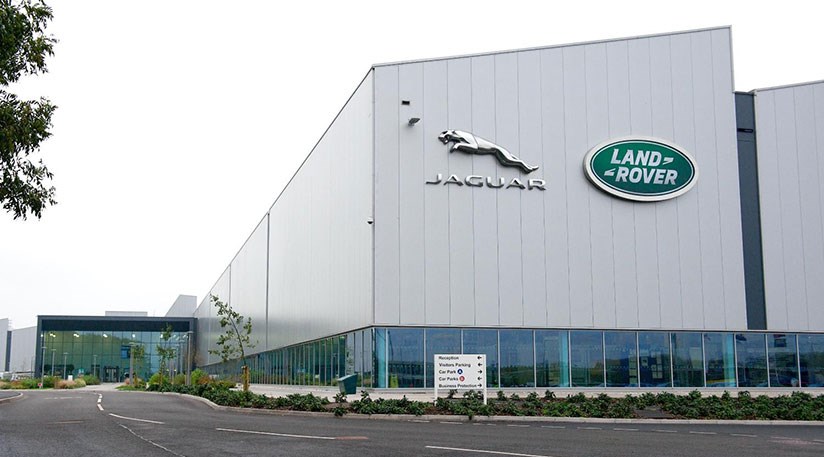
Business leaders have welcomed the deal as a vital mechanism for securing growth and market access. Richard Molyneux, Chief Finance Officer at Jaguar Land Rover, expressed support for the agreement. Frank-Steffen Walliser, CEO of Bentley Motors, described continued access to this key luxury market as "great news." For the food and drink sector, the deal offers tangible benefits. Nik Jhangiani, interim CEO of Diageo, highlighted that the arrangement would "support export growth for Guinness," which is canned in Runcorn and Belfast. This underscores the deal's potential to support jobs and production within the UK, even for globally iconic brands.
Strategic Context and Digital Trade
This agreement arrives amidst a period of global trade uncertainty. South Korean Minister Yeo Han-koo noted the deal would "strengthen the free-market system" and allow allies to operate within a rules-based trading environment, a subtle reference to recent disruptions like the US tariff push under Donald Trump. Beyond goods, the deal pioneers in digital trade, offering British companies the chance to conduct business via e-contracts in South Korea for the first time. It also opens opportunities for UK firms to tender for public procurement contracts in Seoul and offer legal services, positioning the UK as a leader in digital trade innovation. The deal aligns UK access with the EU's trade terms with Seoul, ensuring British exporters benefit from tariff-free trade on 98% of goods.
In conclusion, the UK-South Korea trade deal represents a strategic and modernized framework for economic cooperation. By lowering barriers for key industries like automotive and food, and by embracing digital trade, it provides a concrete foundation for increased British exports and economic growth. As part of a series of agreements with partners like the EU, India, and the US, it solidifies the UK's approach to building resilient, forward-looking trade relationships in the global economy.