The Best Paper Planners for 2026: WIRED-Tested Picks for Productivity
In an increasingly digital world, the tactile satisfaction and cognitive benefits of a paper planner remain unmatched. This guide compiles WIRED's top-tested paper planners for 2026, from versatile weekly layouts to detailed daily formats. We explore standout options like the Roterunner Purpose Planner and Hobonichi Techo, highlighting their unique features, paper quality, and organizational systems to help you find the perfect tool to keep your life on track. Discover why writing things down enhances retention and brings a sense of delight to daily planning.
In an era dominated by digital notifications and cloud-based calendars, the enduring appeal of a paper planner offers a tangible, focused approach to organization. The act of writing things down is not merely nostalgic; studies suggest it improves information retention and activates greater brain connectivity compared to typing. A great paper planner serves as a centralized command center for your schedule, goals, and ideas, providing a satisfying, screen-free zone for intentional planning. As we look toward 2026, a new generation of thoughtfully designed planners combines functionality with aesthetic pleasure. This guide, based on extensive testing by WIRED reviewers, highlights the best paper planners available, helping you select the perfect companion for your personal or professional workflow.
Why Choose a Paper Planner in a Digital Age?
The resurgence of paper planning isn't just about resisting technology; it's about leveraging the cognitive advantages of handwriting. Neuroscience indicates that the physical act of writing engages the brain differently, aiding memory and comprehension. A paper planner eliminates digital distractions, offering a single, undivided space for reflection and prioritization. It becomes a personalized artifact, adaptable to your unique system without the constraints of app templates or subscription fees. For many, the ritual of opening a planner provides a mindful start to the day, fostering a sense of control and accomplishment that scrolling through a screen often lacks.
Top WIRED-Tested Planners for 2026
After rigorous testing, several planners distinguished themselves through their layout, paper quality, and thoughtful features. Here are the top contenders to consider for your 2026 planning needs.
Best Overall Weekly Planner: Roterunner Purpose Planner
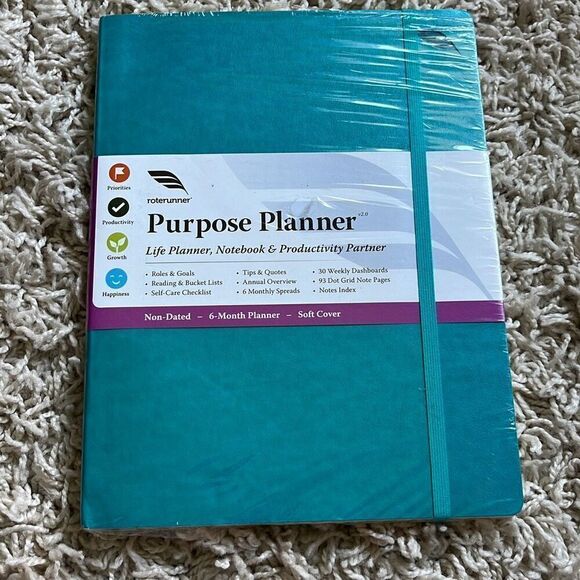
Emerging as a standout for 2025 and carrying strong momentum into 2026, the Roterunner Purpose Planner ($30) redefines the all-in-one organizational tool. Its genius lies in eliminating the need for a separate journal. Each undated weekly spread includes six pre-labeled to-do list areas (work, home, projects, etc.), daily checklists, schedule space, and—crucially—two full dotted pages for notes, brainstorming, or doodles specific to that week. The monthly spreads feature six list areas and reflection sections. Available in B5 and more compact A5 sizes, its six-month, undated format offers flexibility to start anytime without guilt over blank pages. Reviewers found the act of writing in the dates satisfying, making it a deeply personal planning experience from the first use.
Best Daily Planner: Hobonichi Techo and Techo Cousin
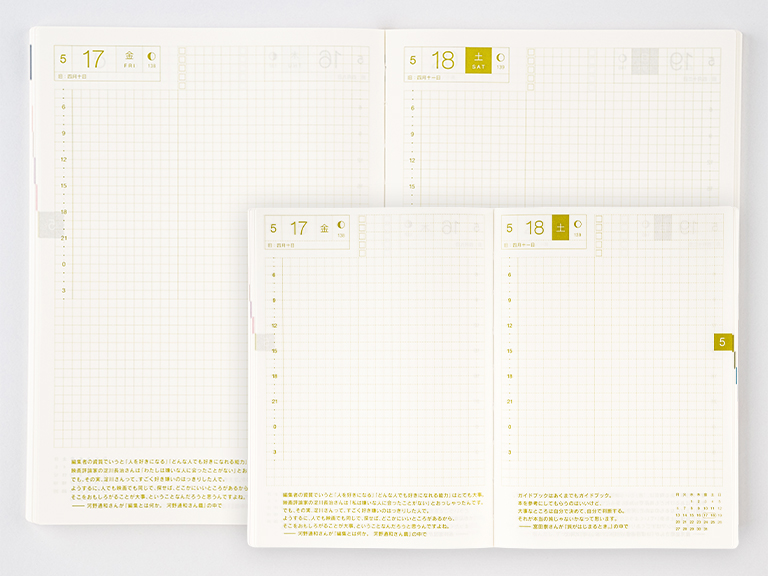
A legendary name among planning enthusiasts, Hobonichi planners are celebrated for their exceptional paper. The Techo (A6) and Techo Cousin (A5) use Tomoe River S paper—incredibly thin, smooth, and resistant to ink bleed. The Cousin version adds weekly spreads before the daily pages, which offer ample space for hourly scheduling, to-do lists, and habit tracking. The A5 size provides generous room without being cumbersome. With a vast ecosystem of covers and accessories, these Japanese-made planners are a premium choice for detail-oriented individuals who appreciate fine stationery. The soft covers can show wear, so investing in a separate cover is recommended for daily transport.
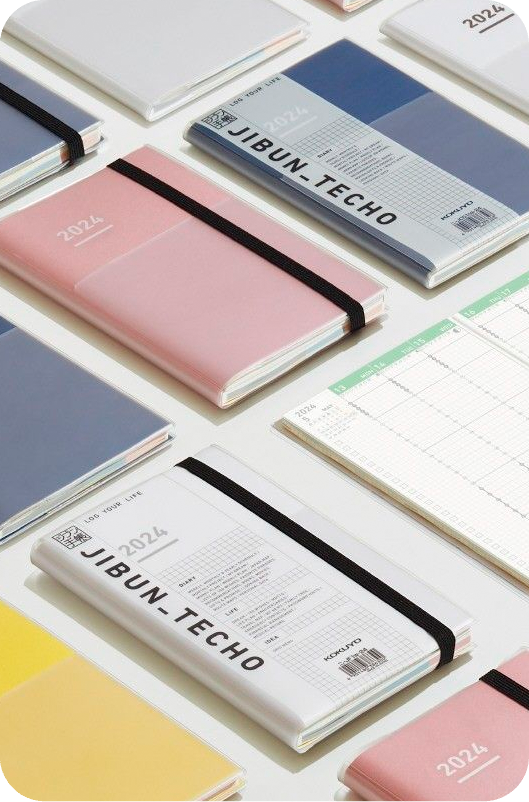
Best Modular System: Kokuyo Jibun Techo First Kit
For those who desire compartmentalization, the Kokuyo Jibun Techo First Kit ($45) offers a brilliant modular approach. It comes with three booklets housed in a single cover: a Diary (the main yearly planner with monthly/weekly spreads), a Life book (with prompted pages for lists and tracking), and an Ideas book (grid paper for freeform notes). The booklets are interlaced but can be replaced individually, allowing you to refresh just the sections you use most. Like the Hobonichi, it uses high-quality, thin paper, enabling this multi-book system to remain relatively slim. Available in B5 Slim and A5 Slim sizes, it's ideal for users who want clear separation between scheduling, life management, and creative brainstorming.
Selecting the Right Planner for Your Needs
Choosing a planner is a personal decision that hinges on your planning style. Key considerations include layout (daily vs. weekly), size, paper quality, and additional features like goal-setting pages or customization options.
Layout: Daily vs. Weekly
Daily Planners (e.g., Hobonichi, Day Designer) dedicate a full page to each day, ideal for those with packed, variable schedules requiring detailed time-blocking and extensive daily task lists. Weekly Planners (e.g., Roterunner, Jibun Techo) condense a week onto a spread, better suited for visualizing the week's flow and managing a moderate number of tasks per day. Consider how much detail you need to log daily versus your preference for a broader weekly overview.
Size and Portability
Common sizes range from pocket-sized (3.5" x 5.5") for minimalists to large letter size (8.5" x 11") for those who need ample writing space. The popular A5 size (roughly 5.8" x 8.3") offers a good balance between usability and portability, fitting easily into most bags. B5 sizes (around 7" x 10") provide more horizontal space for lists and notes. Your choice should align with where you plan to use it most—at a dedicated desk or on the go.
Beyond the Planner: Essential Accessories
Enhance your planning experience with a few key accessories. Quality pens, like Sakura Pigma Microns or gel pens, make writing a pleasure. Washi tape and stickers (from shops like SimplyWatercolorCo or the planner brands themselves) allow for customization and visual coding. Monthly calendar tabs can improve navigation in undated planners. For color-coding, fine-tip markers or highlighters, such as those from Tombow or Passion Planner, add functionality and flair.
Conclusion: Reclaiming Focus with Pen and Paper
In a world of digital overload, a paper planner is more than an organizational tool; it's a statement of intentionality. The planners highlighted here, from the all-encompassing Roterunner Purpose Planner to the refined Hobonichi Techo, represent the best of 2026's offerings, each catering to different styles and needs. By engaging physically with your schedule and goals, you leverage proven cognitive benefits while creating a personalized, distraction-free system. Whether you're a meticulous daily logger or a big-picture weekly planner, investing in the right paper tool can transform your productivity and bring a renewed sense of clarity and satisfaction to managing your time. The perfect planner awaits to help you write your 2026 story, one page at a time.