Elon Musk's 2025: Navigating Political Storms and Corporate Diversification
In 2025, Elon Musk's political entanglement with the Trump administration and his controversial Department of Government Efficiency (DOGE) initiative created significant headwinds for Tesla, impacting its sales and regulatory advantages. Despite this, Musk's wealth and influence remained formidable, largely shielded by the robust performance of his private aerospace venture, SpaceX. This analysis explores how strategic diversification allowed Musk to weather a tumultuous year marked by political controversy, shifting trade policies, and market challenges, emerging with his status as one of the world's most powerful figures intact.
The year 2025 presented a complex paradox for Elon Musk. His deep involvement with the Trump administration and the controversial Department of Government Efficiency (DOGE) created significant turbulence for Tesla, his publicly traded automotive crown jewel. Yet, as political winds shifted and Tesla faced headwinds, Musk's strategic focus on SpaceX and his portfolio of private companies demonstrated a critical lesson in corporate diversification and resilience. This analysis examines how Musk navigated a year of political controversy and market challenges, emerging with his wealth and influence remarkably intact.
The Political Gambit and Its Repercussions
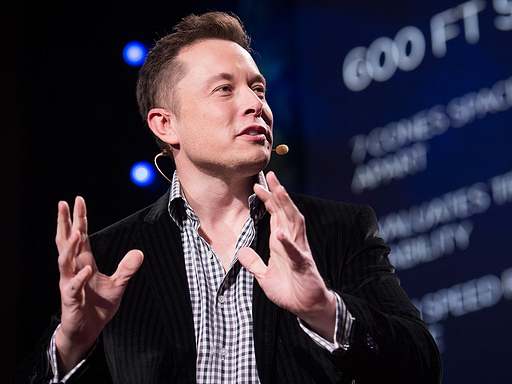
Elon Musk began 2025 as a key political operator, closely aligned with the Trump administration. His creation of the Department of Government Efficiency (DOGE), a cost-slashing initiative named after an internet meme, was a central part of this alliance. However, this foray into federal politics proved polarizing. Activists frequently protested outside Tesla showrooms, arguing that DOGE's impact was limited and that Musk's political activities were damaging the Tesla brand. The relationship soured dramatically by May, culminating in a public feud on X where the President reportedly labeled Musk a "TRAIN WRECK." This political fallout had direct and tangible consequences for Tesla's business environment and public perception.
Tesla's Challenging Year
While Musk's political capital fluctuated, Tesla's financial performance faced concrete challenges. The US electric vehicle market struggled under the Trump administration's policies, which included cutting tax subsidies and support for battery manufacturing. Rapid shifts in trade policy, particularly toward China, created significant uncertainty. The Wall Street Journal reported that these shifts made it "difficult for the carmaker to formulate a coherent pricing strategy," as Tesla worked to reduce its reliance on Chinese components.
A critical revenue stream for Tesla also came under threat. For years, a significant portion of Tesla's profits—estimated at about one-third since 2014—came from selling regulatory compliance credits to other automakers. These credits are generated by producing zero-emission vehicles and sold to manufacturers that fail to meet fleetwide environmental standards. The Trump administration's moves to nix penalties for missing fuel economy standards and to challenge California's zero-emission vehicle program jeopardized this lucrative income source, a direct consequence of the regulatory environment Musk's political allies helped create.

Sales figures reflected these broader challenges. Tesla deliveries declined, particularly in Europe where Musk's political stance alienated some customers amidst increased competition from cheaper Chinese EVs. In China itself, Tesla sales were down 8 percent through October 2025. Product strategy also showed strain. The Cybertruck, once a symbol of bold innovation, appeared to be a commercial disappointment, with an estimated 16,000 units sold through the fall—far short of Musk's earlier annual goal of 250,000. Promises around robotics and autonomous vehicle technology, including robotaxi expansion, also failed to materialize at the promised scale.
SpaceX: The Diversification Lifeline
While Tesla navigated white water, SpaceX provided a stabilizing counterweight. As a private company, SpaceX's financials are less transparent, but its operational tempo and strategic positioning in 2025 were undeniably strong. The company successfully shifted its center of gravity, with its Starlink satellite internet service becoming a dominant focus. By November 2025, SpaceX reported connecting 8 million customers and indicated that elements of Starlink were reporting positive net income. This transformation made SpaceX look less like a rocket company with a side hustle and more like a major telecommunications provider with a rocket-launching capability.
SpaceX's launch cadence was record-breaking, with the Falcon 9 rocket fleet deploying and replacing satellites at an unprecedented rate. The company launched its 10,000th Starlink satellite in October and aggressively pursued contracts with governments, airlines, and smartphone makers. Crucially, SpaceX also secured its financial future by locking in substantial government contracts, including a $5.9 billion agreement with the US Space Force through 2029 and a $102 million Air Force contract to study rocket-based cargo delivery.
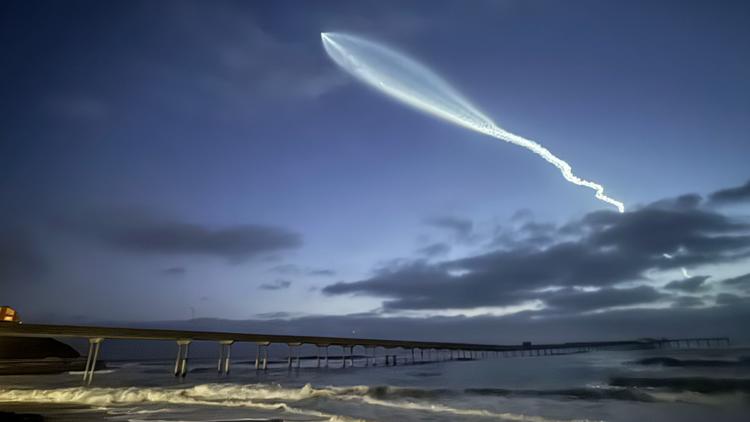
This government partnership provided a stable revenue base independent of the consumer market volatility affecting Tesla. Furthermore, SpaceX continued to invest in its long-term vision, conducting the 11th test flight of its massive Starship rocket, which is being developed for future NASA moon missions and heavier payloads. This blend of near-term profitability (Starlink) and long-term, government-backed ambition (Starship, NASA contracts) created a resilient financial structure for Musk's aerospace venture.
Financial Resilience and Lasting Influence
The ultimate measure of Musk's 2025 resilience is found in the numbers. Despite Tesla's struggles, Musk's overall wealth increased by an estimated $29 billion, reaching approximately $462 billion. His stake in Tesla, valued around $140 billion, now constitutes less than half of his total fortune. This highlights a fundamental shift: Musk's financial destiny is no longer solely tied to Tesla's stock price. The value locked in his private companies—SpaceX, xAI, and Neuralink—provided a diversified shield against public market volatility.
Musk's influence also persisted beyond balance sheets. His platform, X, remained a dominant force in setting the pace for political and social commentary, particularly on the global right. In a symbolic demonstration of his enduring access to power, Musk was spotted at a White House state dinner for Saudi Crown Prince Mohammed bin Salman in November 2025. Furthermore, Tesla shareholders voted to grant him a performance-based compensation package potentially worth up to $1 trillion over the next decade, contingent on achieving staggering growth targets, including an $8.5 trillion market cap for Tesla.
Conclusion: The Power of Strategic Portfolio Management
Elon Musk's 2025 serves as a compelling case study in modern corporate leadership and risk management. His political entanglement created significant brand and regulatory challenges for Tesla, proving that the intersection of business and politics carries substantial risk. However, his strategic foresight in building and nurturing a portfolio of companies paid immense dividends. By diversifying his interests across public and private sectors—from automotive and social media to aerospace and artificial intelligence—Musk insulated himself and his empire from sector-specific downturns.
The year demonstrated that while political capital can be fleeting, technological innovation and strategic diversification can provide a more durable foundation for long-term influence and wealth. Musk's ability to pivot attention and resources to SpaceX during Tesla's difficulties underscores a key principle for visionary entrepreneurs: building multiple, independent engines of growth is essential for weathering inevitable storms. As 2025 closed, Elon Musk reaffirmed that his power derives not from any single political alliance or company, but from a deeply interconnected ecosystem of ambitious ventures that collectively ensure his lasting impact on the global stage.