The Best Paper Planners for 2026: WIRED-Tested Picks to Organize Your Life
In an increasingly digital world, the tactile satisfaction and cognitive benefits of a paper planner remain unmatched. This guide compiles WIRED's rigorously tested recommendations for the best paper planners of 2026, from weekly and daily formats to customizable options. Discover how writing things down by hand can improve retention and organization, and find the perfect planner to suit your specific needs, whether you're a meticulous daily scheduler or a big-picture weekly planner.
In an era dominated by digital calendars and productivity apps, the enduring appeal of a paper planner offers a unique blend of tactile satisfaction and cognitive benefit. The simple act of writing things down has been shown to improve retention and organization, providing a tangible sense of control in a fast-paced world. This guide presents WIRED's comprehensive testing results for the best paper planners available for 2026, helping you find the perfect tool to keep your personal and professional life on track.
Why Choose a Paper Planner in a Digital Age?
Research consistently shows that writing information by hand activates more brain connectivity than typing, making you more likely to remember and learn what you've recorded. Beyond the cognitive benefits, paper planners offer a creative, customizable space free from digital distractions and notifications. They provide a satisfying physical record of your accomplishments and a dedicated place to corral everything from appointments and to-do lists to long-term goals and spontaneous ideas.
WIRED's Top Planner Recommendations for 2026
After extensive testing throughout 2025, WIRED's reviewers have identified standout planners across multiple categories. These selections represent the best combination of functionality, paper quality, design, and value.
Best Weekly Planner: Roterunner Purpose Planner
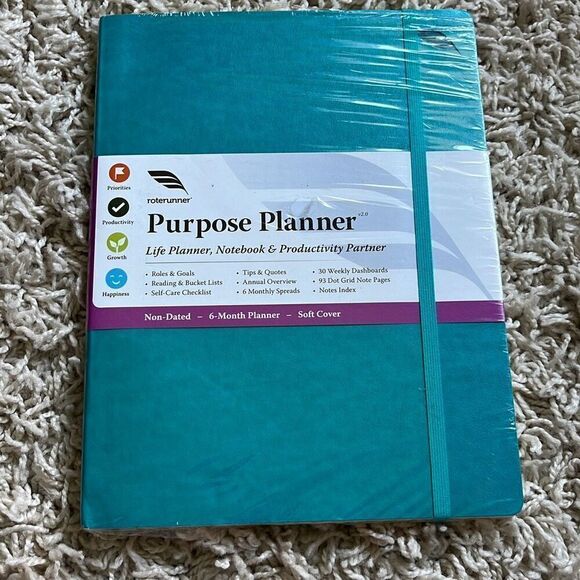
The Roterunner Purpose Planner emerged as WIRED's standout planner of 2025 and remains the top recommendation for 2026. This undated weekly planner successfully combines planning space with journaling functionality, eliminating the need for separate notebooks. Its weekly spread includes six pre-labeled to-do list areas (work, home, projects, purchases, etc.), daily checklists, scheduling space, and two full dotted pages for notes, doodles, and brainstorming specific to each week.
Available in both B5 ($30) and more compact A5 ($25) sizes, this six-month undated planner allows you to start anytime without guilt about skipped months. Additional features include monthly spreads with reflection sections, goal-setting pages, and reading lists. The B5 size provides generous writing space that accommodates even the most extensive note-takers.
Best Daily Planner: Hobonichi Techo and Techo Cousin
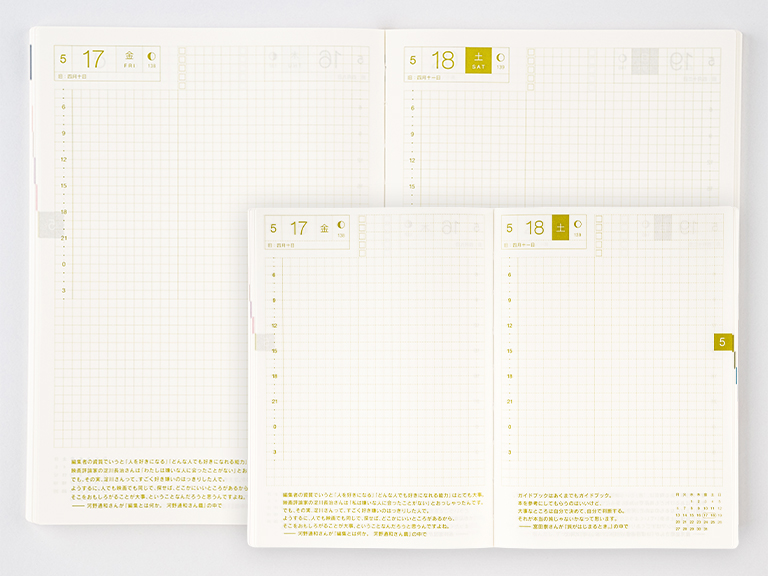
For those who prefer daily planning, Hobonichi's offerings represent the gold standard. The brand's planners feature renowned Tomoe River S paper—exceptionally thin yet resistant to bleed-through, with a smooth writing surface. The standard Techo (A6 size, starting at $41) provides a page for each day, while the Techo Cousin (A5 size, $65) adds weekly spreads before the daily pages.
WIRED's testing favored the Cousin for its additional weekly overview space, which complements the detailed daily pages. The Japanese versions feature subtle corner quotes in Japanese lettering, while English versions are also available. Numerous cover options and accessories allow for personalization, with separate covers recommended to protect the soft covers during daily use.
Another Excellent Weekly Option: Kokuyo Jibun Techo First Kit
The Kokuyo Jibun Techo First Kit ($45 for B6 Slim) offers a modular approach to planning with three interchangeable booklets housed in a single cover. The system includes a Diary (the main dated planner with monthly and weekly spreads), a Life book (with prompted pages for wishes, passwords, and tracking), and an Ideas book (grid paper for notes and lists).
This Japanese planner uses thin, high-quality paper similar to Hobonichi's, allowing multiple booklets without excessive bulk. The B5 Slim size tested by WIRED provides ample writing space, and the interchangeable design means you can replace individual booklets as needed throughout the year.
Best Customizable Planner: Plum Paper A5 Vertical Priorities Planner
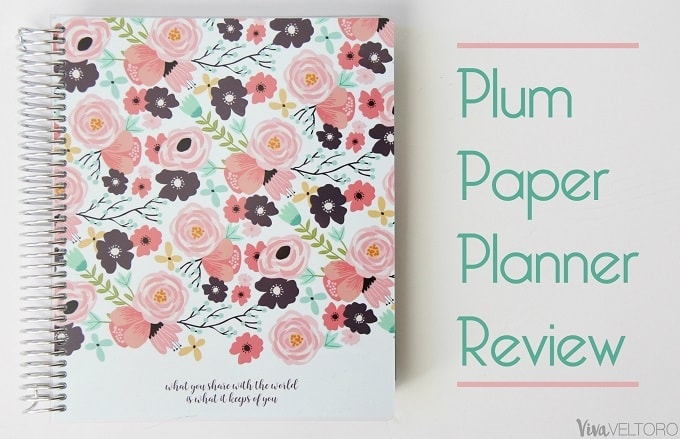
For those who want personalization without starting from scratch, Plum Paper's A5 Vertical Priorities Planner ($48) offers the perfect balance. With 10 different layout types and multiple variations within each, you can select the exact format that matches your planning style. The customization extends to covers (with optional personalization like names or years) and numerous add-on pages for tracking workouts, babies, budgets, and more.
The A5 size is portable yet functional, and you can choose your starting month—ideal for beginning a planning system mid-year. Plum Paper also offers chic sticker sets ($5+) that complement their add-on pages and seasonal themes, along with the ability to create custom stickers through their website.
Additional Notable Planners from WIRED Testing
Beyond the top recommendations, several other planners impressed during WIRED's extensive evaluation process.
Best Monthly Planner: Big A## Planner
True to its name, the Big A## Planner ($50) makes a statement with its 11-by-14-inch profile and bright blue cover. Created by motivational speaker Jesse Itzler, this spiral-bound monthly planner features oversized 2.5-inch squares for each day across two-page monthly spreads. It includes motivational quotes, goal-tracking pages, a dry-erase board, and worksheets for year-end review.
While its size limits portability, it offers exceptional writing space for those who prefer monthly overviews with room for extensive daily notes. The companion Big A## Calendar provides a year-at-a-glance goal tracker.
Best Affordable Planner: Ban.do 2026 Planners
Ban.do's planners ($28) combine functionality with playful design at an accessible price point. These weekly planners include fun extras like book tracking pages, astrological birth chart sections, monthly meal planning, and three pages of stickers. Available in both dated and undated ($25) versions, with numerous cover designs, they offer personality without sacrificing practicality.
The 17-month planners (starting August 2025) frequently go on sale, providing even greater value. While available on Amazon, Ban.do's website offers easier browsing of all design options.
Planner Alternatives and Accessories
Not everyone needs a traditional dated planner. For those who prefer more flexibility, several alternatives emerged from WIRED's testing.
Classic Notebook Approach: Midori MD Notebook
Former WIRED reviewer Jaina Grey prefers the simplicity of a high-quality lined notebook, specifically the Midori MD Notebook ($13). Made from cotton pulp paper (similar to currency), these notebooks come in lined, unlined, or dot-grid options. The subtle off-white pages offer excellent writing experience, and the notebooks fit standard covers available on Etsy. For those wanting some structure, Midori also offers the MD Diary ($20) with monthly calendar pages.
Essential Planner Accessories
The right accessories can enhance any planning system. WIRED recommends several categories:
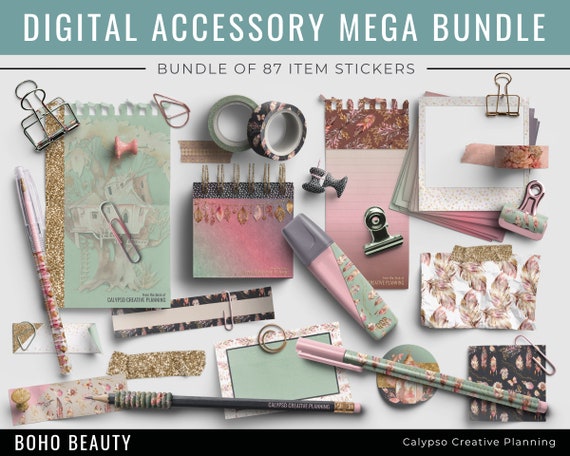
- Stickers: Etsy shops like SimplyWatercolorCo and CricketPaperCo offer themed sticker kits, while Plum Paper produces seasonal sets. Stickers help categorize tasks and add visual appeal.
- Washi Tape: This decorative tape adds color and organization without permanent commitment.
- Calendar Tabs: Aiex Monthly ($6) and Passion Planner ($13) tabs help navigate undated planners or turn notebooks into planners.
- Writing Instruments: Quality pens like Sakura Pigma Micron Fineliner ($12) and Paper Mate InkJoy Gel Pens ($13) improve the writing experience. Passion Planner's highlighters ($20 per set) offer beautiful color options for coding tasks.
Choosing Your Perfect Planner
Selecting the right planner depends on your specific needs and preferences. Consider these factors from WIRED's testing insights:
Weekly vs. Daily Format
Weekly planners (like the Roterunner and Jibun Techo) provide an overview of the entire week on two pages, ideal for those with moderate daily scheduling needs. Daily planners (like Hobonichi and Day Designer) dedicate a full page to each day, better suited for people with packed schedules requiring detailed time blocking and extensive task lists.
Size Considerations
Common planner sizes include A5 (5.8x8.3 inches, portable), B5/Medium (7x9 inches, balanced), Letter/Large (8.5x11 inches, maximum space), and Pocket (3.5x5.5 inches, highly portable). Note that brands sometimes use different naming conventions—Moleskine calls its A5 size "Large," so always check measurements.
Paper Quality Matters
Premium papers like Hobonichi's Tomoe River S and Midori's cotton pulp paper provide superior writing experience with minimal bleed-through, even with fountain pens or markers. Thinner papers allow more pages without excessive bulk, while thicker papers offer more substantial feel.
Conclusion: Embracing Analog Organization
In a world of digital notifications and constant connectivity, paper planners offer a refreshing alternative that engages different cognitive processes. Whether you choose WIRED's top pick—the versatile Roterunner Purpose Planner—or opt for the daily detail of a Hobonichi, the act of physically writing down tasks, goals, and appointments can provide both practical organization and psychological satisfaction. The planners featured here represent the best of 2026 based on rigorous testing, offering options for every planning style, budget, and aesthetic preference. By selecting a planner that truly fits your needs and personalizing it with thoughtful accessories, you can create a organizational system that not only keeps you on track but brings genuine pleasure to the process of managing your time and priorities.