Read on nature.com
Rejuvenating Immunity: How mRNA Therapy Is Turning Back the Clock on Aging T Cells
A groundbreaking study published in Nature reveals a novel mRNA therapy that can rejuvenate the aging immune systems of mice. By delivering a cocktail of messenger RNAs to the liver, researchers successfully reversed age-related decline in T cells, which are crucial for coordinating immune responses and fighting infections and cancer. This research addresses a key challenge in geriatric medicine: the waning effectiveness of vaccines and immunotherapies in older adults. The findings open new avenues for developing treatments to enhance immune resilience and combat age-related inflammation, potentially transforming how we approach healthy aging.
The quest to combat the decline of the immune system with age has taken a significant leap forward. A pioneering study, reported in Nature, demonstrates that a novel mRNA therapy can effectively rejuvenate the weary immune systems of aged mice. This research targets a fundamental problem in immunology and geriatrics: the age-related deterioration of T cells, which are essential for mounting effective immune responses against pathogens and cancer.
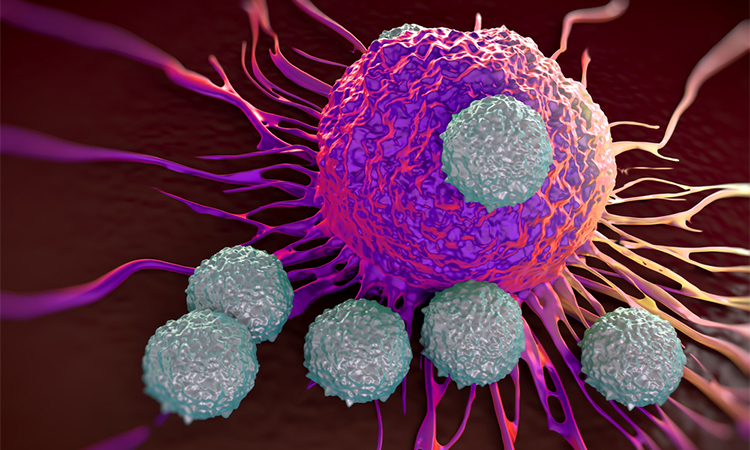
As people age, their immune system undergoes a process known as immunosenescence. A central feature of this decline is the waning quantity and quality of T cells. These cells are produced in the bone marrow and mature in the thymus, a gland that itself shrinks and is replaced by fatty tissue over time. The resulting deficit in robust T-cell immunity explains why vaccines are often less effective in older adults and why cancer immunotherapies don't work as well in this population. Furthermore, this flagging immunity is linked to the chronic, low-grade inflammation that underpins many age-related diseases.
The mRNA Approach to Immune Rejuvenation
Previous attempts to reverse thymic degradation using hormones or other drugs have largely been unsuccessful. The research team, led by Mirco Friedrich at the German Cancer Research Center, took an innovative detour. Instead of targeting the deteriorating thymus gland directly, they aimed to rejuvenate the T cells themselves by delivering an experimental therapy to the liver. The liver was chosen as the delivery site because it receives the body's entire blood volume, where most T cells circulate.
The therapy itself consists of a cocktail of three messenger RNAs (mRNAs), administered twice weekly. In the study, this treatment successfully reversed key markers of T-cell ageing in mice, restoring more youthful function. The rejuvenated immune systems showed improved responses to both vaccination and cancer treatments. As immunologist María Mittelbrunn, who was not involved in the study, noted, rejuvenating T cells "could have immense consequences" for treating age-related immune decline.
Implications for Medicine and Healthy Aging
The implications of this research are profound. By directly addressing the cellular ageing of the immune system, this mRNA strategy opens a new frontier in promoting healthy longevity. The potential applications are wide-ranging:
- Enhanced Vaccine Efficacy: Boosting T-cell production and function could lead to more effective vaccines for influenza, COVID-19, and shingles in older adults.
- Improved Cancer Immunotherapy: Treatments like checkpoint inhibitors, which rely on a patient's own T cells to attack tumors, could become more potent in elderly patients.
- Combating Inflammaging: By restoring proper immune regulation, such therapies may help reduce the chronic inflammation associated with cardiovascular disease, arthritis, and neurodegenerative conditions.
The work, also presented at the American Society of Hematology annual meeting, represents a shift from treating age-related diseases individually to targeting a root cause—the ageing immune system itself. It aligns with a growing field of research focused on reversing biological age and hacking the body's innate systems for longevity.
Conclusion
The discovery that a simple mRNA cocktail can turn back the clock on aged immune cells marks a significant milestone in biomedical science. While the research is currently in the preclinical stage with mice, it establishes a powerful proof of concept. The approach of targeting circulating T cells via the liver offers a practical and potentially translatable strategy for human therapy. As the global population ages, developing interventions to maintain immune resilience will be crucial for extending healthspan. This mRNA therapy illuminates a promising path forward, suggesting that rejuvenating our body's defenses may one day be a key pillar of preventive medicine and healthy aging. Further research will be needed to translate these exciting findings from the lab to the clinic.