Liver Supplement Could Boost Cancer Immunotherapy Success
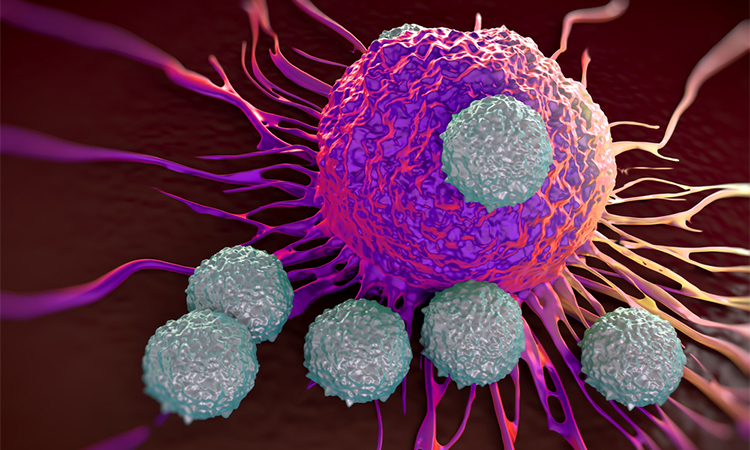
Scientists at the Salk Institute have discovered that certain bile acids in the liver suppress immune cell function, explaining why immunotherapy struggles against liver cancer. Their research identified specific bile acids that weaken T cells and found that supplementing with ursodeoxycholic acid (UDCA) reversed this effect, controlling tumor growth in mice. Since UDCA is already approved for liver disease treatment, this discovery could quickly advance to clinical trials for liver cancer patients.
Immunotherapy has revolutionized cancer treatment by harnessing the body's immune system to fight tumors, achieving remarkable success against lung, kidney, and bladder cancers. However, liver cancer has remained stubbornly resistant to these innovative treatments, creating a critical gap in cancer care as liver cancer cases have nearly tripled over the past four decades. Recent research from the Salk Institute may have uncovered why immunotherapy fails against liver cancer and identified a potential solution using an existing liver supplement.

The Bile Acid Connection
The Salk Institute team discovered that bile acids—molecules produced by the liver to aid digestion—can interfere with cancer-fighting immune cells known as T cells. Using both mouse models and human tumor samples, researchers identified specific bile acids that suppress T cell function, explaining why immunotherapy struggles against liver cancer. The liver generates more than 100 types of bile acids, creating a chemically rich environment that T cells must navigate to combat cancer effectively.
Key Findings and Potential Treatment
Researchers pinpointed several bile acids linked to weakened T cell function and accelerated tumor growth. Most notably, they found that conjugated bile acids produced by the BAAT protein contributed to tumor progression. When researchers removed BAAT in mice, tumor load dropped significantly. Conversely, one bile acid called ursodeoxycholic acid (UDCA) had the opposite effect, enhancing T cell performance and drawing more immune cells to the liver.

Clinical Implications
The most promising aspect of this discovery is that UDCA supplements are already approved for treating other liver diseases, meaning this potential treatment could quickly advance to clinical trials for liver cancer patients. When researchers increased UDCA levels through dietary supplements in mice, liver tumors shrank, suggesting that combining UDCA with immunotherapy could make treatment more effective. Professor Susan Kaech, senior author of the study, noted that "We're already a huge step ahead when it comes to translating our findings to the clinic, because UDCA supplementation is already used to treat liver disease and could easily be tested in liver cancer next."
Future Research Directions
The research team is now exploring how the gut microbiome interacts with bile acids and whether manipulating "good" and "bad" bacteria could further regulate bile acid levels to improve cancer treatment. They're also investigating whether reducing conjugated bile acids by targeting BAAT could benefit other conditions like chronic liver disease and obesity. This groundbreaking study, published in Science, represents a significant step toward understanding how organ-specific environments influence immune responses and opens new avenues for enhancing cancer immunotherapy.