Read on bbc.com
South Africa Deports Kenyan Workers from US Refugee Processing Center Amid Diplomatic Tensions
South Africa has announced the deportation of seven Kenyan nationals who were found working illegally at a facility processing US refugee applications for white South Africans. The workers, who had previously been denied work visas, were arrested during a raid and will be banned from re-entering South Africa for five years. This incident has escalated existing tensions between South Africa and the Trump administration, which has prioritized Afrikaner refugees despite reducing overall refugee intake. The US has condemned South Africa's actions as interference and harassment, while South Africa maintains it is enforcing immigration laws against visa abuse.
South Africa has taken decisive immigration enforcement action against seven Kenyan nationals working without proper documentation at a facility processing refugee applications for the United States. The individuals, who entered South Africa on tourist visas, were found engaging in work activities at a center handling applications from white South Africans seeking refugee status in the US. This development has intensified diplomatic friction between South Africa and the Trump administration, which has made the admission of Afrikaner refugees a foreign policy priority despite reducing overall refugee numbers globally.
Immigration Enforcement and Visa Violations
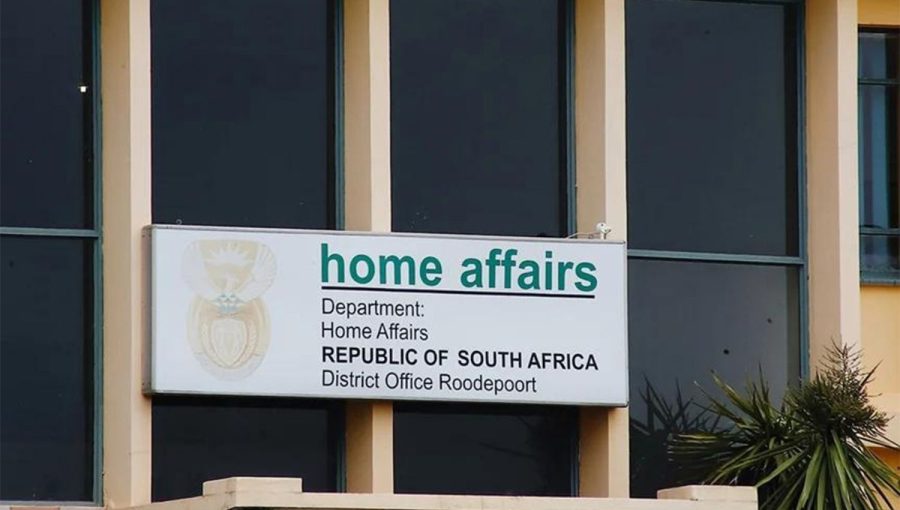
According to South Africa's Department of Home Affairs, intelligence reports revealed that the Kenyan nationals had recently entered the country on tourist visas and had illegally taken up work at the refugee processing center. The department stated that the individuals had previously been denied work visas but were found "engaging in work despite only being in possession of tourist visas, in clear violation of their conditions of entry into the country." Following their arrest during a Tuesday raid, the seven Kenyans will now be deported and banned from entering South Africa for five years.
The South African government expressed concern that foreign officials appeared to have coordinated with undocumented workers at the facility. In its official statement, the home affairs department said it had reached out to both the United States and Kenya to resolve the matter, emphasizing that the operation demonstrated South Africa's shared commitment with the US "to combating illegal immigration and visa abuse in all its forms." The department clarified that no US officials were arrested during the operation and that the raid did not occur at a diplomatic site.
US Response and Diplomatic Tensions
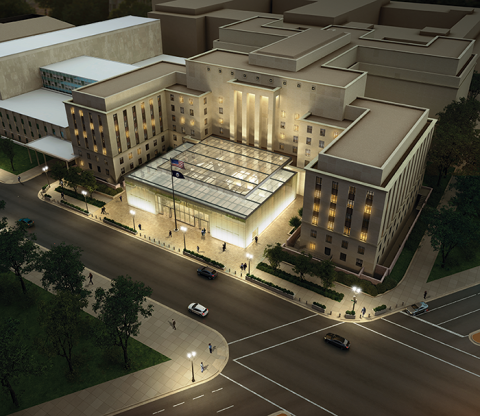
The United States has responded strongly to South Africa's enforcement actions, with the State Department issuing a statement on Thursday condemning "in the strongest terms the South African government's recent detention of US officials performing their duties to provide humanitarian support to Afrikaners." The US further accused South Africa of releasing passport information of its officials, calling this "an unacceptable form of harassment" and an attempt at intimidation. South Africa has rejected these allegations, stating that it treats "data security with the utmost seriousness."
This incident represents the latest escalation in deteriorating relations between South Africa and the Trump administration. The tension stems primarily from the US policy of offering refugee status to white Afrikaners, whom the Trump administration claims face persecution in South Africa. Despite reducing its global refugee intake from approximately 125,000 to just 7,500 annually, the US has prioritized Afrikaner refugees, creating significant diplomatic friction with the South African government, which rejects claims of persecution against white citizens.
Background: US Refugee Policy and South African Land Reform
The refugee processing at the center of this controversy is being handled by RSC Africa, a Kenyan-based refugee support center operated by Church World Service (CWS), according to the US embassy in South Africa. This arrangement has become particularly contentious given the broader political context surrounding US-South Africa relations. President Donald Trump has repeatedly claimed that Afrikaners are experiencing a "genocide" in South Africa, despite evidence showing that white farmers are not more likely to be crime victims than their black counterparts.
The US refugee offer to Afrikaners gained momentum earlier this year after South African President Cyril Ramaphosa signed a law allowing the government to seize land without compensation in rare instances. This land reform measure addresses historical inequalities stemming from apartheid, when the white minority controlled most privately owned farmland. Approximately 50 Afrikaners have already relocated to the US via chartered flight, though the total number of applicants and successful refugees remains unclear. South Africa maintains that no land has been seized under the new law and that the government is committed to orderly land reform.
Broader Diplomatic Implications
The deportation of Kenyan workers represents more than an immigration enforcement issue—it reflects deepening diplomatic divisions between the two nations. South Africa has made multiple attempts to improve relations with the Trump administration, most notably when President Ramaphosa led a high-level delegation to the White House earlier this year. However, these efforts backfired when Trump presented the South African leader with images, videos, and news reports allegedly showing government persecution of white people, including footage of opposition figure Julius Malema singing "Shoot the Boer [Afrikaner], Shoot the farmer."
Recent months have seen further deterioration in bilateral relations, with the US boycotting the G20 summit in South Africa last month and announcing it would not invite South African officials to meetings since assuming leadership of the economic grouping. The current dispute over the Kenyan workers and refugee processing adds another layer of complexity to an already strained relationship, with both nations accusing each other of inappropriate conduct while asserting their respective positions on immigration enforcement and humanitarian protection.
As South Africa proceeds with the deportations and the US maintains its refugee policy priorities, the incident highlights how immigration enforcement can become entangled with broader geopolitical tensions and differing interpretations of human rights situations. Both countries now face the challenge of managing this specific case while addressing the underlying issues that have brought their diplomatic relations to this strained point.