Read on France 24
Russia's Kyiv Assault Intensifies as Zelensky Prepares for Trump Talks
Russia launched a significant drone and missile attack on Kyiv, resulting in civilian casualties and widespread power outages, just ahead of a critical diplomatic meeting between Ukrainian President Volodymyr Zelensky and US leader Donald Trump. This assault underscores the ongoing intensity of the conflict and Russia's apparent disinterest in pursuing peace, as Zelensky stated the attack demonstrates Russia does 'not want to end the war.' The timing highlights the complex geopolitical pressures surrounding Ukraine's defense and international support.
In a stark demonstration of continued aggression, Russian forces targeted Ukraine's capital with a barrage of drones and missiles on a recent Saturday. The attack resulted in the death of at least one woman and inflicted severe damage to civilian infrastructure, leaving hundreds of thousands without power. This escalation occurred at a diplomatically sensitive moment, immediately preceding scheduled talks between Ukrainian President Volodymyr Zelensky and US President Donald Trump. The assault and its timing offer a clear lens through which to analyze the current state of the war, the strategies of the involved nations, and the challenges facing international diplomacy.

The Kyiv Attack: Tactics and Immediate Impact
The combined use of drones and missiles represents a now-familiar but devastating Russian tactic aimed at overwhelming Ukrainian air defenses and striking critical energy and civilian targets. The immediate consequence was a significant humanitarian crisis, with widespread power cuts affecting essential services and daily life for Kyiv's residents. The casualty, a woman killed in the attack, is a tragic reminder of the war's direct human cost, which continues to mount despite international efforts. Such strikes are designed not only to cause physical destruction but also to exert psychological pressure on the Ukrainian population and leadership, testing their resilience.
Zelensky's Diplomatic Push Amidst the Barrage
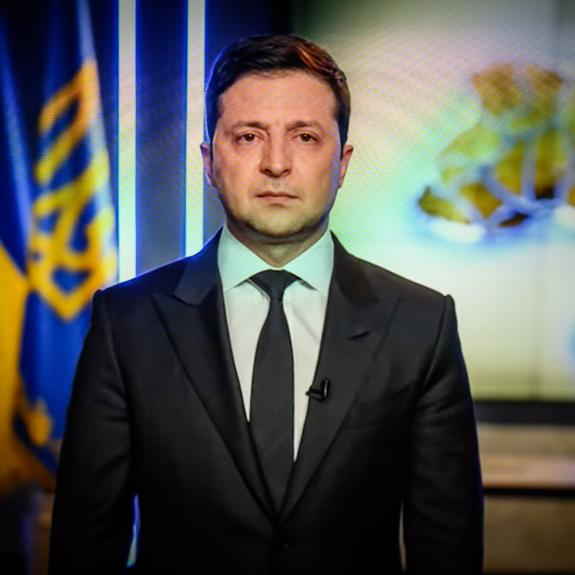
President Volodymyr Zelensky's response to the attack was both immediate and pointed. He framed the assault as a clear signal from Moscow regarding its intentions, stating that Russia's actions show it does "not want to end the war." This statement, made in the shadow of the attack, serves a dual purpose: it rallies domestic and international opinion by highlighting Russian intransigence, and it sets the stage for his crucial discussions with US President Donald Trump. The meeting with Trump is positioned as a vital opportunity to secure continued or enhanced military and financial support from Ukraine's most powerful ally, support that is seen as essential for Ukraine's ability to defend itself and eventually negotiate from a position of strength.
Geopolitical Context: The Stakes of US Support
The timing of the Russian attack is unlikely to be coincidental. By striking Kyiv on the eve of high-level talks between Zelensky and Trump, Russia may be attempting to signal its resolve and test the unity of Ukraine's international backing. The outcome of the Zelensky-Trump meeting carries immense weight for the future trajectory of the conflict. Continued robust US support is a cornerstone of Ukrainian defense strategy. Any shift in the level or nature of this support could have profound implications for battlefield dynamics and potential peace negotiations. The attack thus serves as a grim backdrop, emphasizing the high stakes of the diplomatic engagement.
Analysis: Russia's Strategic Messaging
Beyond the immediate tactical goals, the Kyiv assault functions as a form of strategic communication. By escalating violence ahead of a key diplomatic event, Russia communicates its dismissal of diplomatic timelines and its commitment to a military path. This aligns with Zelensky's interpretation that Russia lacks a genuine desire for peace under current conditions. The attack reinforces a pattern where military action and diplomatic maneuvering are deeply intertwined, with violence often used to shape the negotiating environment. For Ukraine and its partners, this pattern necessitates a strategy that simultaneously strengthens defensive capabilities while pursuing diplomatic channels that account for Russia's demonstrated tactics.
Conclusion: Resilience and the Path Forward
The drone and missile attack on Kyiv is a sobering event that encapsulates the ongoing challenges of the Russia-Ukraine war. It highlights the relentless nature of the conflict, the critical importance of sustained international support for Ukraine, and the complex interplay between warfare and diplomacy. As President Zelensky engages with President Trump, the resilience of the Ukrainian people and the strategic decisions made in Western capitals will continue to shape the conflict's outcome. The path forward remains fraught, demanding unwavering defense, astute diplomacy, and a clear-eyed recognition of the adversary's tactics, as evidenced by the latest assault on the Ukrainian capital.