US Terrorist Designation of Colombia's EGC: Implications for Peace and Security
The United States has officially designated Colombia's Gaitanist Army (EGC), also known as the Clan del Golfo, as a Foreign Terrorist Organization. This move by the State Department, announced by Secretary Marco Rubio, targets the nation's largest criminal group, involved in drug trafficking, illegal mining, and extortion. While intended to sever the group's financial and logistical ties, analysts warn the designation could critically undermine ongoing peace negotiations mediated by Qatar and potentially escalate violence across northern Colombia by complicating key issues like extradition guarantees for EGC leaders.
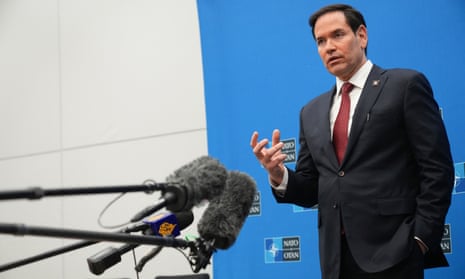
The United States Department of State has taken a significant step in its foreign policy towards Colombia by officially designating the Gaitanist Army of Colombia (EGC), also known as the Clan del Golfo, as a Foreign Terrorist Organization (FTO) and a Specially Designated Global Terrorist (SDGT). This decision, announced by US Secretary of State Marco Rubio, marks a shift from the previous Biden administration's approach of imposing financial sanctions on top members. The EGC is Colombia's largest criminal organization, with thousands of members and a presence across the country, known for its deep involvement in drug trafficking, illegal mining, and extortion. The State Department's statement accuses the group of being responsible for terrorist attacks against public officials, law enforcement, military personnel, and civilians.

Legal and Operational Implications of the Designation
The Foreign Terrorist Organization designation carries substantial legal weight under US law. It empowers US courts to sanction any individual or organization found to be providing assistance to, or having links with, the EGC. According to analysts like Elizabeth Dickinson from the International Crisis Group, this move "opens some interesting lines of investigation" into the group's financial operations, particularly in areas like money laundering and logistics. The EGC is known to have "deep tentacles in the business world," and the FTO status provides new tools to target these connections and potentially sever the group's links with private enterprise, a critical source of funding and operational support.

Threats to the Colombian Peace Process
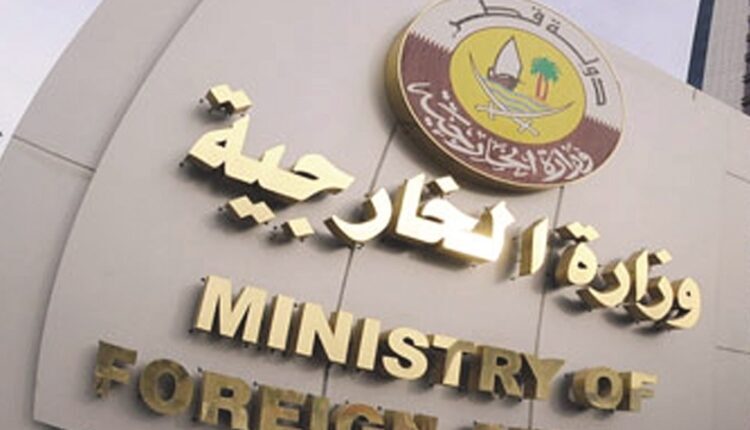
The most immediate and concerning consequence of the US designation is its potential impact on Colombia's fragile peace process. Just days before the announcement, on December 5, 2025, the Colombian government signed a deal in Doha, Qatar, with the EGC to initiate a formal peace process aimed at the group's eventual disarmament. Experts warn that the terrorist label now jeopardizes these negotiations. Gerson Arias, a conflict investigator at Colombia's Ideas for Peace Foundation, stated that the designation "makes it almost impossible to continue these talks outside the country with security guarantees." A key point of contention in the negotiations has been the issue of extradition. The FTO designation effectively eliminates the possibility of the Colombian state providing guarantees that it will not extradite EGC commanders to face trial in US prisons, a demand highlighted by the group's chief negotiator, Alvaro Jimenez.
Risk of Escalated Violence and Regional Instability
Should the peace talks collapse as a result of this diplomatic move, analysts predict a serious escalation of violence. Elizabeth Dickinson of the International Crisis Group warned that if negotiations were to end, "that would lead to an escalation in violence across the north of the country, particularly." The EGC has demonstrated its capacity for targeted violence, having killed dozens of state security officials in campaigns earlier in the year. A breakdown in dialogue could push the group towards more aggressive tactics, destabilizing regions where it holds significant influence and undermining Colombia's broader security gains. This designation places the Colombian government in a difficult position, balancing its relationship with a key ally against the imperative of securing a domestic peace deal.
Historical Context and Paths Forward
This is not the first time the US has designated an active Colombian armed group as an FTO; previous designations include the National Liberation Army (ELN) and dissident factions of the former Revolutionary Armed Forces of Colombia (FARC). Dickinson notes that the designation does not legally preclude peace talks, citing the successful 2016 peace deal with the FARC, which was under the same US designation at the time. The critical task now falls to the Colombian state to "take a step back and decide how to proceed with negotiations" in this new, more complicated diplomatic landscape. The path forward requires careful navigation to prevent the collapse of a potential peace agreement and the devastating surge in conflict that could follow.